ANZAC Day Poppies, Earth Day Explorations and a Trip to Outer Space
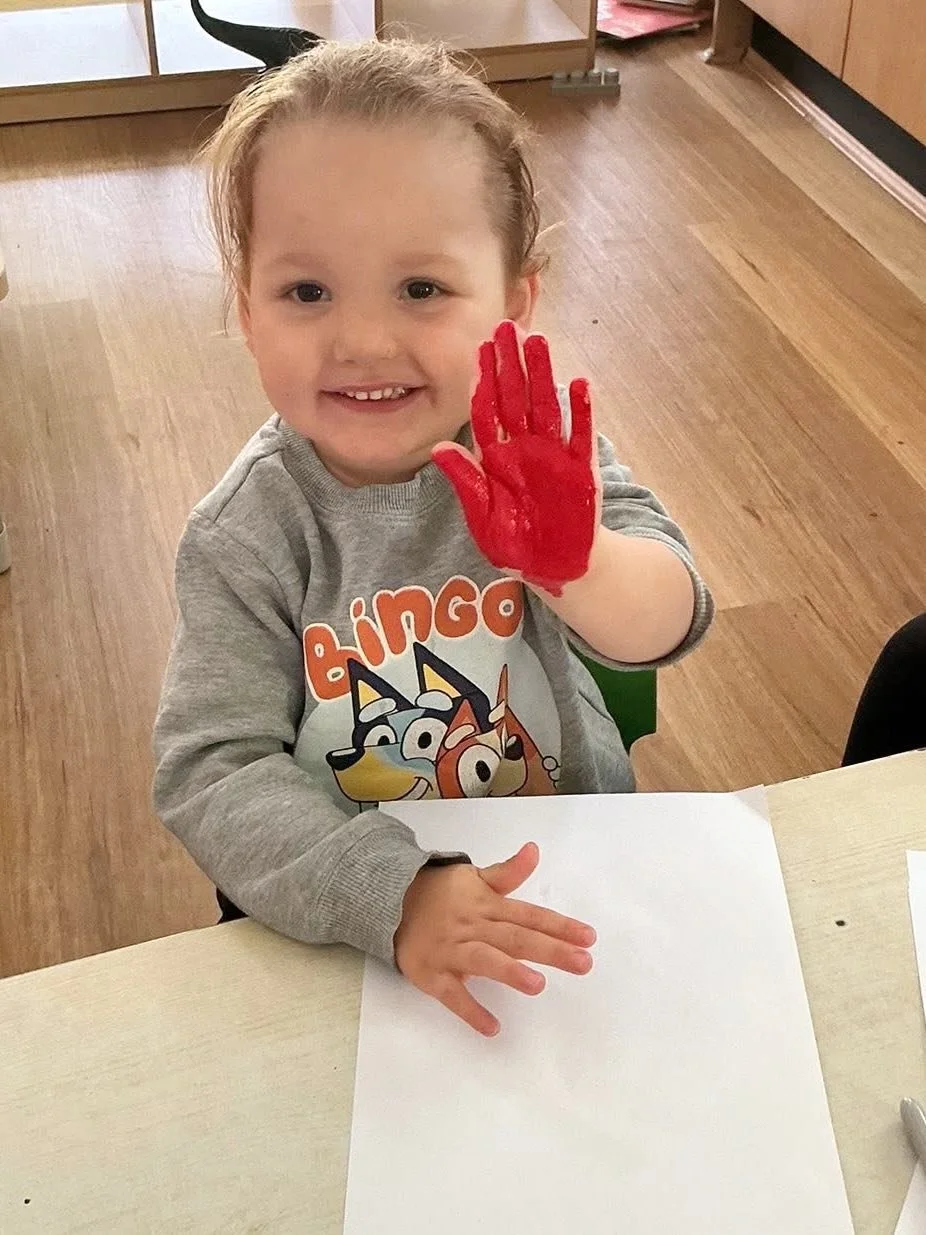
Some weeks at Chipmunks Early Learning centres feel particularly full. The week of 20–24 April was one of them. Across our centres, children marked two meaningful occasions, explored worlds far beyond their own backyard, and dug their hands into everything from oobleck to natural collage materials. It was the kind of week that reminds you why play-based learning works so well: children were genuinely absorbed, genuinely curious, and genuinely having a great time while they were at it.
Remembering Together: ANZAC Day Learning Across Our Centres
ANZAC Day sits differently in early childhood settings. The history is significant, but so is the developmental challenge of helping very young children begin to understand concepts like remembrance and sacrifice in a way that's honest without being heavy. Our educators across multiple centres navigated this with care.
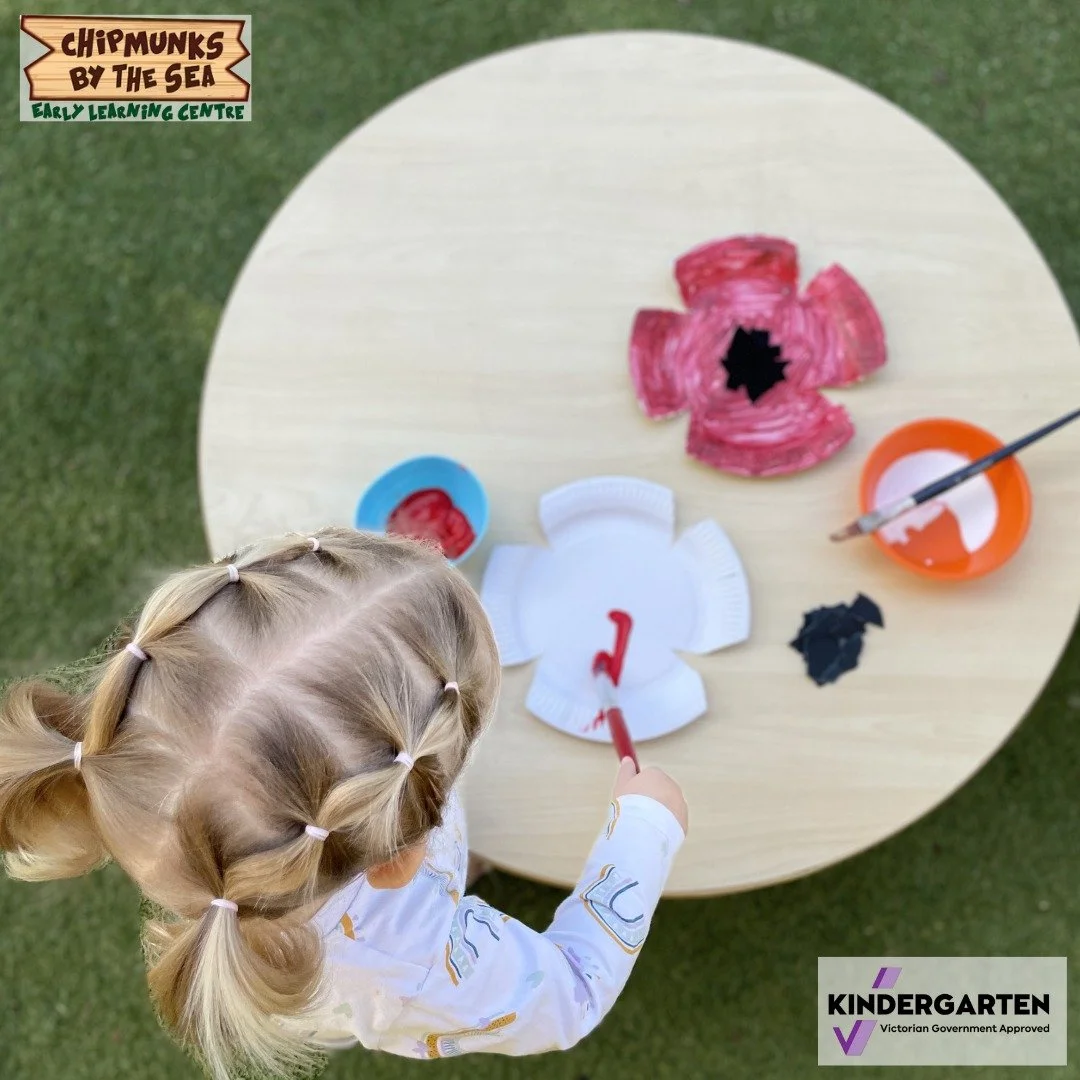
At Chipmunks in the Park, Tiny Wanderers created poppies as part of their ANZAC Day craft, with educators gently introducing the significance of the occasion while keeping the experience tactile and age-appropriate. Little Explorers and Preschoolers at our other centres followed similar threads, crafting poppies, discussing community and service, and in one group, using a counting activity built around red poppy cutouts to blend numeracy with remembrance in a way that felt natural rather than forced.
These experiences align directly with the Early Years Learning Framework, building children's sense of community identity and their understanding of Australia's history and culture. The learning is subtle and it sticks.
Earth Day Sensory Play: Nature as the Classroom
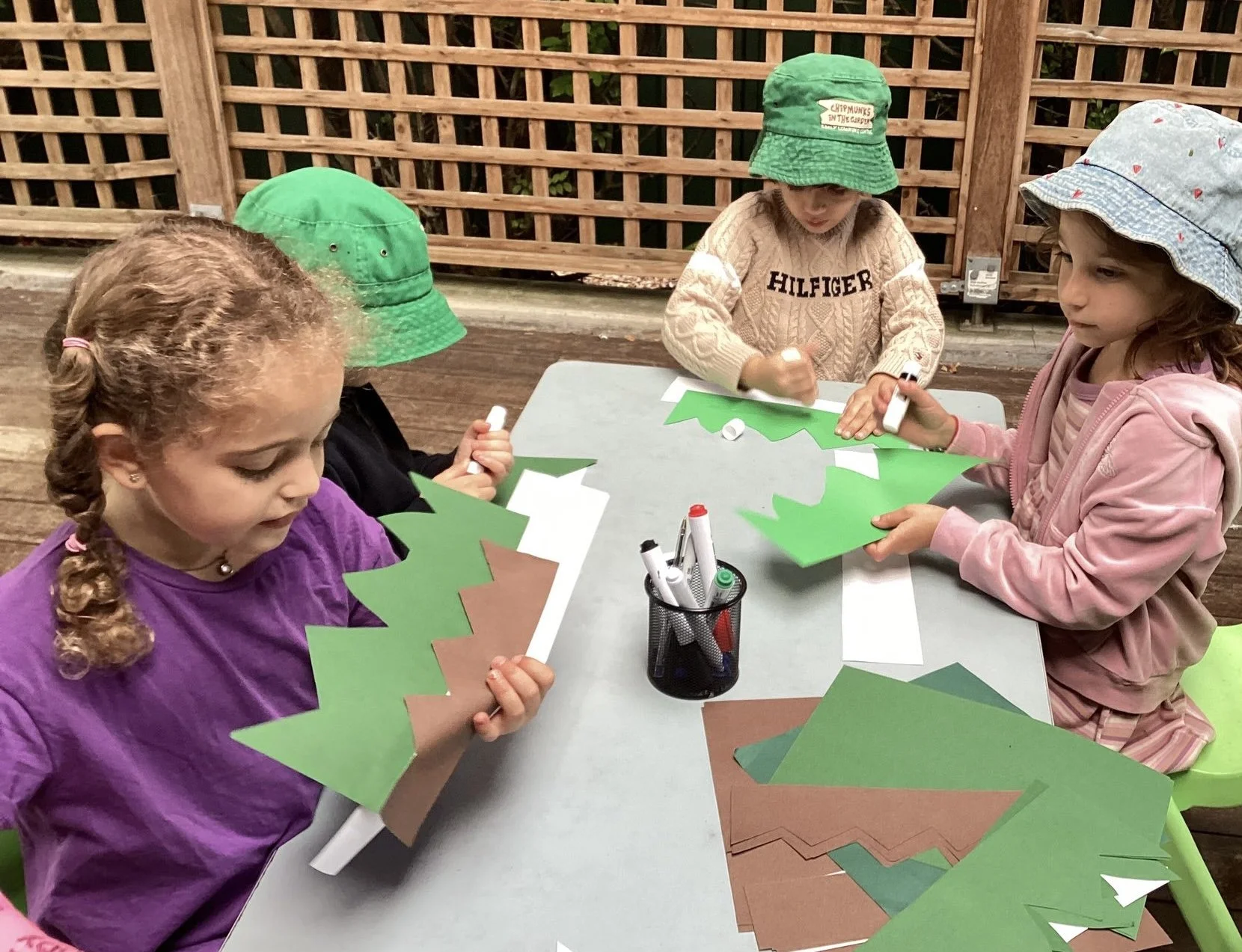
Earth Day on 22 April gave educators a natural hook for some genuinely inventive activities. At one centre, Tiny Wanderers and Little Explorers created a sticky wall collage using leaves, bark, flowers and other natural materials collected from the outdoor environment. Children pressed, arranged and rearranged the pieces, exploring textures and making connections between the natural world and their own creativity.
Another group explored Earth Day through a "world in a bag" sensory experience: sealed snap lock bags filled with blue and green paint that children could squish and spread to create their own miniature Earths. It's a deceptively simple activity that covers sensory exploration, colour mixing, fine motor development and environmental awareness in one go.
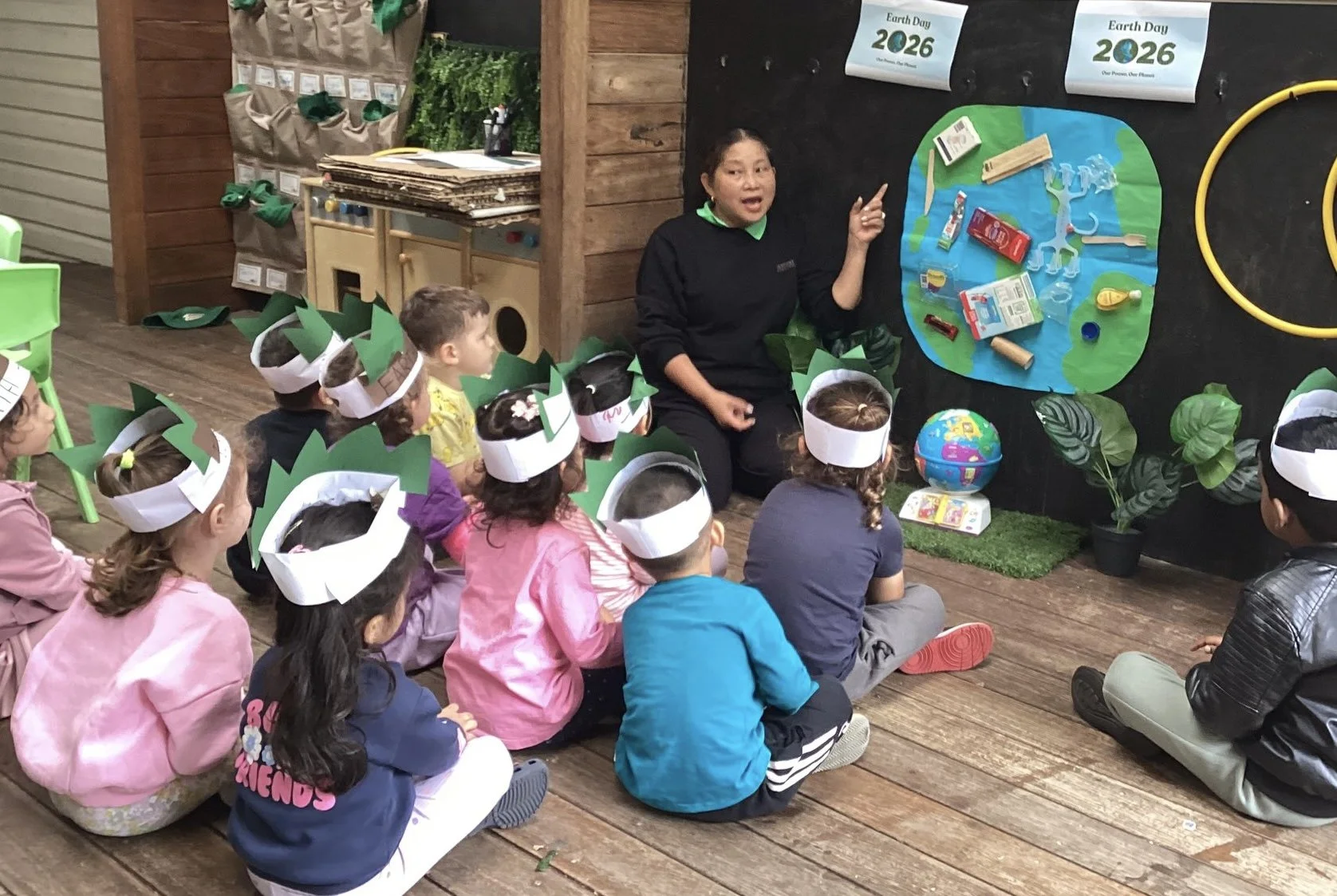
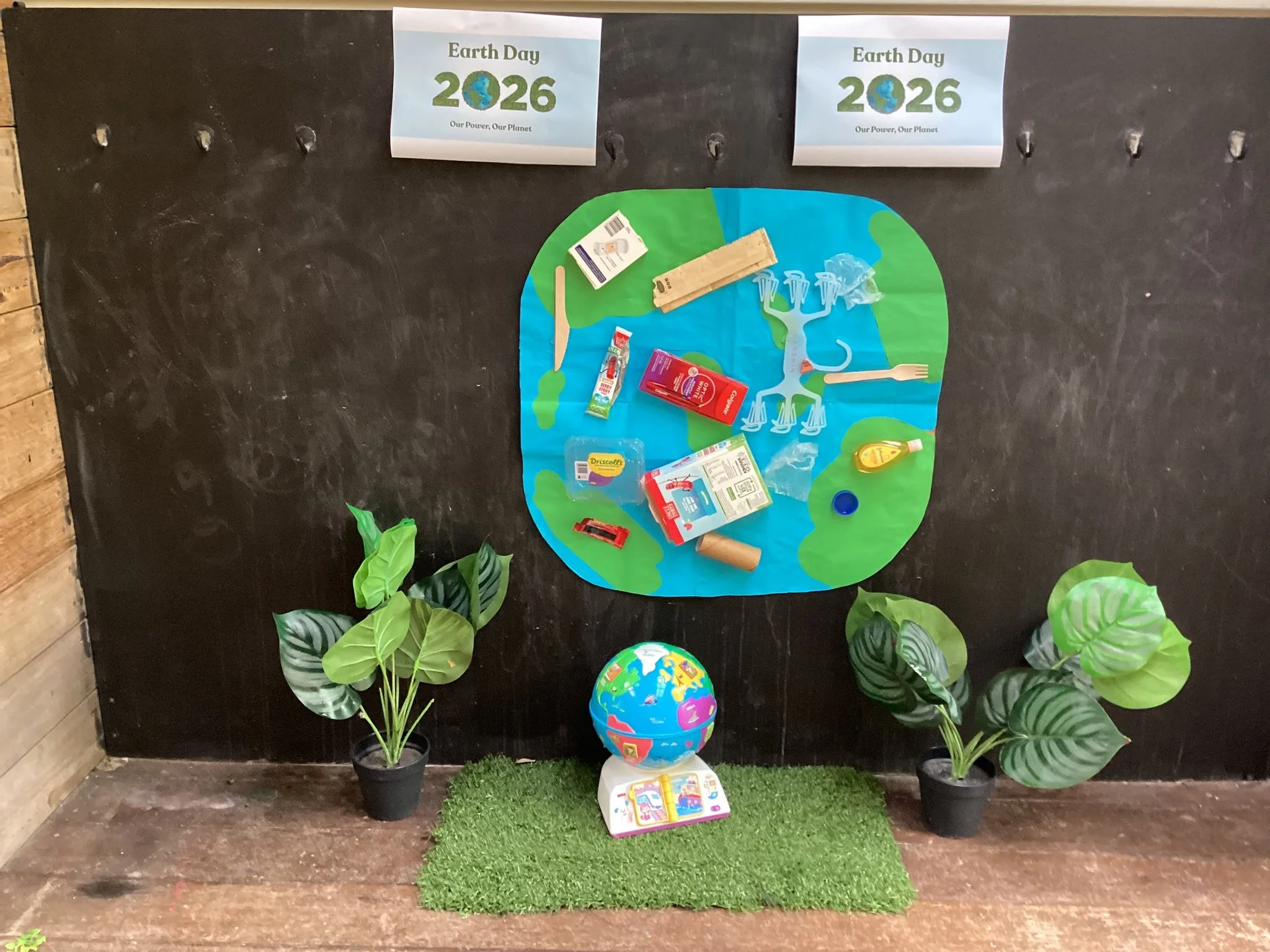
In the preschool room, Earth Day became a conversation starter about caring for the environment, reinforcing values around sustainability that children carry home with them. These aren't abstract concepts when children have just spent twenty minutes pressing their hands into soil and arranging twigs on a sticky surface.
Rockets, Planets and Astronaut Helmets: Space Exploration in the Preschool Rooms
While some groups were thinking about the earth beneath their feet, others were looking up. The Preschoolers and Little Explorers at Chipmunks in the Meadow spent the week immersed in a space theme, exploring the moon, stars, planets and rockets through play-based learning. Children built astronaut helmets using craft materials, constructed rocket ships from recycled and loose parts, and created small-world space play scenes that kept them engaged for extended periods of time.
The Preschoolers dived into a planet-focused unit, learning the names and features of planets through colouring, cutting, pasting and playdough modelling. These hands-on activities develop the fine motor skills and pre-writing foundations that children need as they move toward formal schooling. The fact that they're also building knowledge about the solar system along the way is the bonus.
Meanwhile, another group's Preschoolers explored sink and float principles through water play, building early science reasoning alongside their ANZAC Day and Earth Day activities. It's a week that covered science, history, and geography without any of it feeling like a curriculum checklist.
Literacy, Numeracy and Everyday Skill-Building
Woven through everything this week was the steady, reliable work of early literacy and numeracy development. Little Explorers focused on the letter O, the number 15, and the rectangle shape, with activities designed around recognition, repetition and hands-on exploration. A number hunt activity saw children searching for numbers one to ten displayed around the room, turning a numeracy concept into something active and exciting.
Car printing with paint gave younger children the chance to explore cause-and-effect thinking while developing grip strength and hand-eye coordination. Shape stamping introduced early geometry concepts through direct sensory engagement. And across multiple rooms, "Tail the Bunnies" matching games supported cognitive development through a task children genuinely wanted to keep playing.
This is what quality early childhood education looks like in practice. Not worksheets, not rote learning, but carefully designed experiences where the developmental work is embedded inside activities children find genuinely absorbing.
See It for Yourself
What happens in our centres each week is the result of educators who plan with purpose and respond to children's curiosity in real time. If you're looking for an early learning environment where your child is known, engaged and growing, we'd love to show you around.
Book a tour at your nearest Chipmunks Childcare centre today.