Measuring Tapes and Play-Doh Numbers: How Early Maths Actually Works
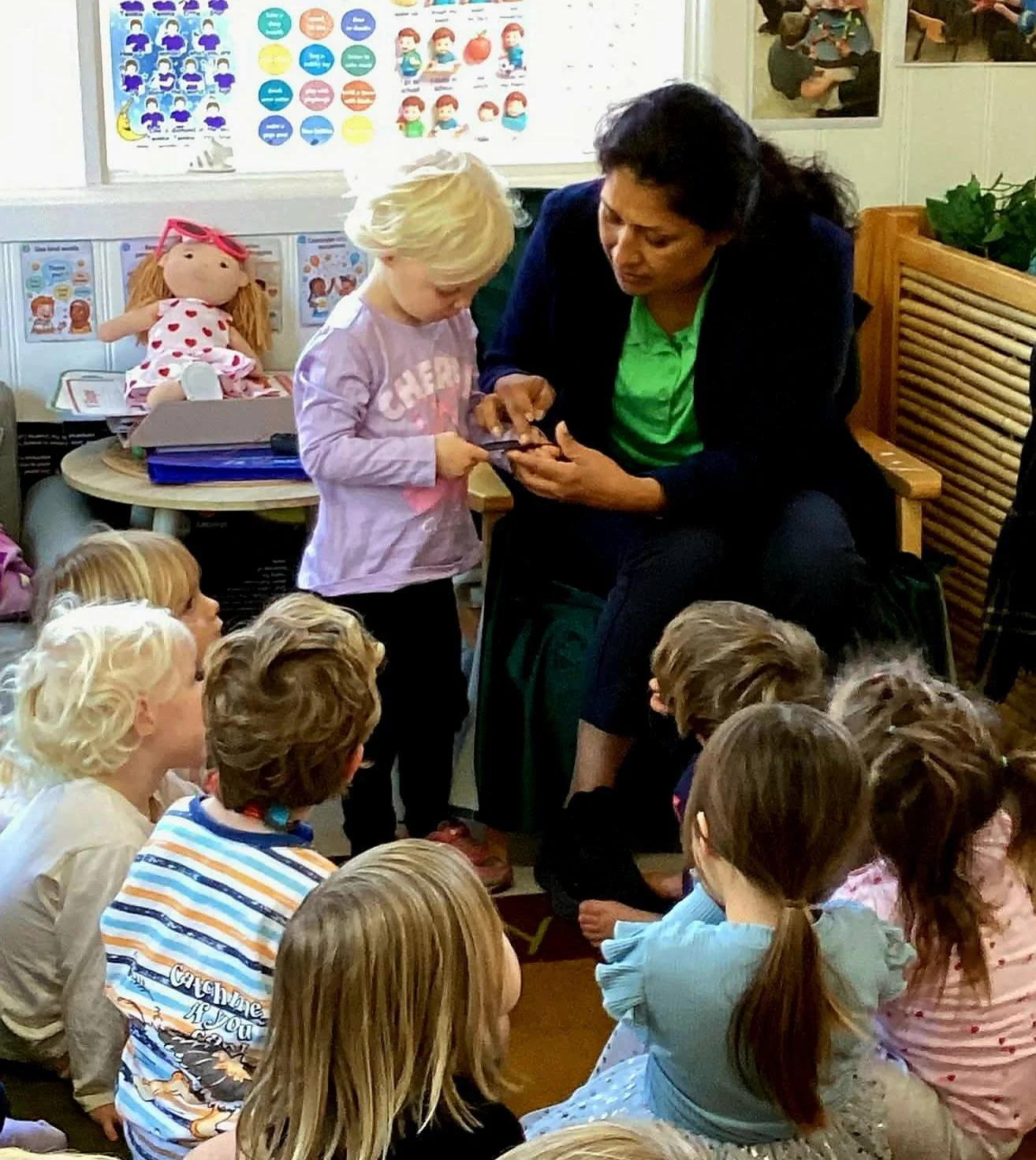
Ask most adults about their earliest memories of mathematics and you'll get one of two responses: either a warm recollection of something that made sense and felt satisfying, or a vague unease that started somewhere around numbers getting abstract and stayed for decades. The difference between those two outcomes is almost always rooted in the early years. This week in the Kinder room at Chipmunks by the Bay, educators were doing the foundational work that sets children up for the first response.
Measuring as a Mathematical Experience
The kinder children this week got their hands on measuring tapes, and the results were predictably wonderful. Children measured objects around the room, compared lengths, discussed size and talked about how measuring is used in everyday life. This is early mathematics at its most effective: grounded in physical experience, connected to the real world, and driven by the children's own curiosity about how things relate to each other.
Mathematical concepts like length, comparison and number only become meaningful when children encounter them in context. A number on a page is an abstraction. A number on a measuring tape stretched across the room is a tool that answers a genuine question: how long is that? Which is bigger? How many of these fit into that? These are the questions that build mathematical thinkers.
Getting Physical with the Number Eight
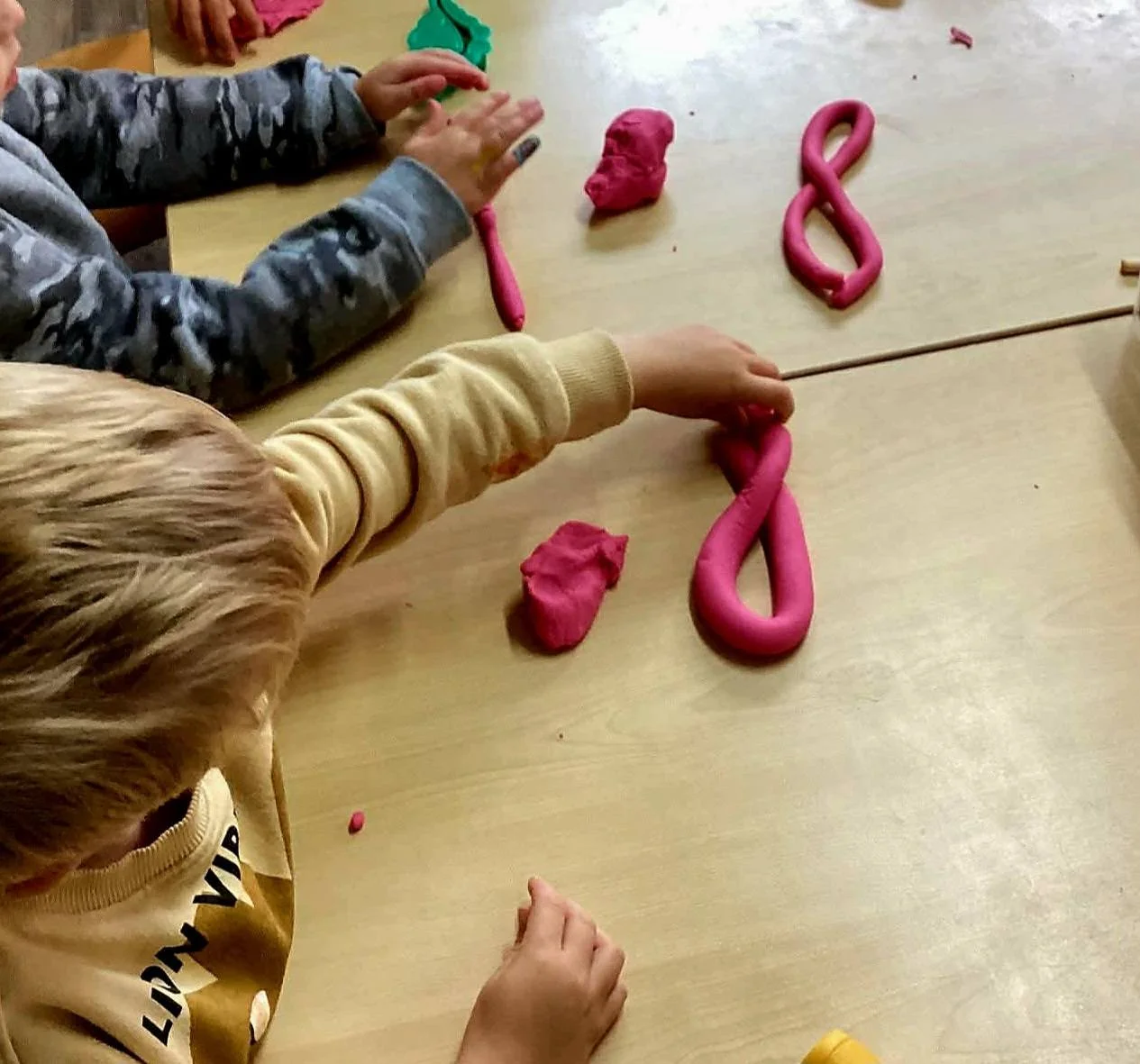
The number eight got focused attention this week, approached from multiple angles. Children rolled the number eight in Play-Doh, practised writing it, and drew it in different ways. This multi-modal approach to number recognition is deliberate and research-backed: when children encounter a concept through their hands, their eyes and their bodies simultaneously, the learning is deeper and more durable than any single-channel approach can achieve.
For children who are still developing pencil control, rolling a number in Play-Doh before writing it is also a genuinely useful motor preparation activity. The hand is practising the shape before the pencil ever touches paper.
Literacy Through Story: Wombat Stew in the Kinder Room
The kinder children's favourite book this week was Wombat Stew, a beloved Australian picture book that generated enough enthusiasm to spill over into imaginative play. Children recreated the story in the home corner, making their own Wombat Stew and extending the narrative in directions the book never went.
This kind of story extension through play is one of the strongest indicators of genuine literary engagement. Children who understand a story well enough to play inside it are developing comprehension, vocabulary, narrative structure and creative thinking simultaneously. The fact that there were plenty of laughs involved is, as far as early childhood education is concerned, a very good sign.
School Readiness Starts Here
The mathematical and literacy experiences happening in Chipmunks kinder rooms each week are directly connected to the skills children need when they start formal schooling. Number recognition, measurement concepts, fine motor control, narrative comprehension: these are the foundations. Building them through play, story and hands-on experience means children arrive at school not just with skills, but with confidence and a genuine love of learning.
If you're thinking about kinder options for your child, we'd love to show you what learning looks like at Chipmunks.
Book a tour at your nearest Chipmunks Childcare centre today.