Why Indigenous Cultural Learning Belongs in Every Early Childhood Programme
Why Indigenous Cultural Learning Belongs in Every Early Childhood Programme
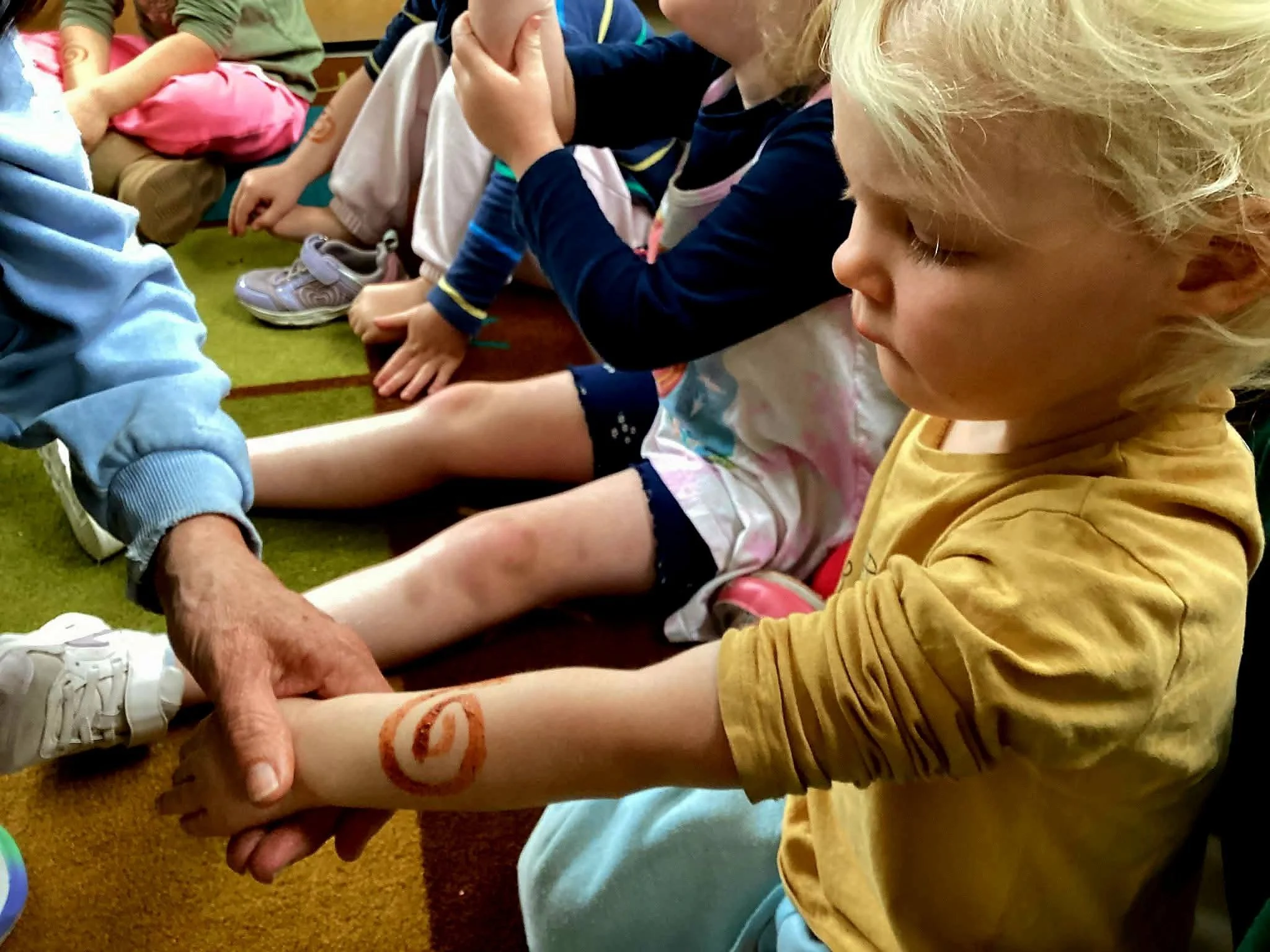
Some of the most powerful learning that happens in early childhood settings isn't about letters or numbers or shapes. It's about identity: who we are, where we come from, and how we connect with the people and world around us. This week at Chipmunks by the Bay, that kind of learning was front and centre, with another visit from Aunty Trish bringing Indigenous Australian stories, games and experiences into the toddler room.
The children's response was clear. They loved it.
The Value of Visiting Educators and Community Voices
There is something qualitatively different about learning that comes directly from a community member. When Aunty Trish visits, children aren't simply hearing information about Indigenous Australian culture; they're experiencing it through relationship, through story, through games that carry cultural meaning. That is a fundamentally different educational encounter from reading about it in a book, and its effects are lasting.
For young children, representation and exposure to diverse cultural experiences during the early years shapes the lens through which they understand the world for the rest of their lives. The Early Years Learning Framework identifies cultural competence and respect for diversity as core outcomes for all Australian children, and incursions like Aunty Trish's visits are one of the most authentic ways to build toward those outcomes.
Extending the Learning: Australian Animals and Storytelling
After Aunty Trish's visit, the educators didn't let the energy dissipate. The children extended on her games and experiences in the days that followed, exploring Australian animals and storytelling through play. This is how quality early childhood education works: a rich stimulus event becomes the seed for a broader learning thread that children can follow at their own pace and in their own way.
Storytelling in particular is a deeply valuable early childhood experience. It builds narrative comprehension, language development, empathy and imagination simultaneously. When the stories being told are connected to the land and culture of the country the children live on, those benefits extend into cultural literacy and a growing sense of place.
Colour, Science and Creativity: Balloon Painting
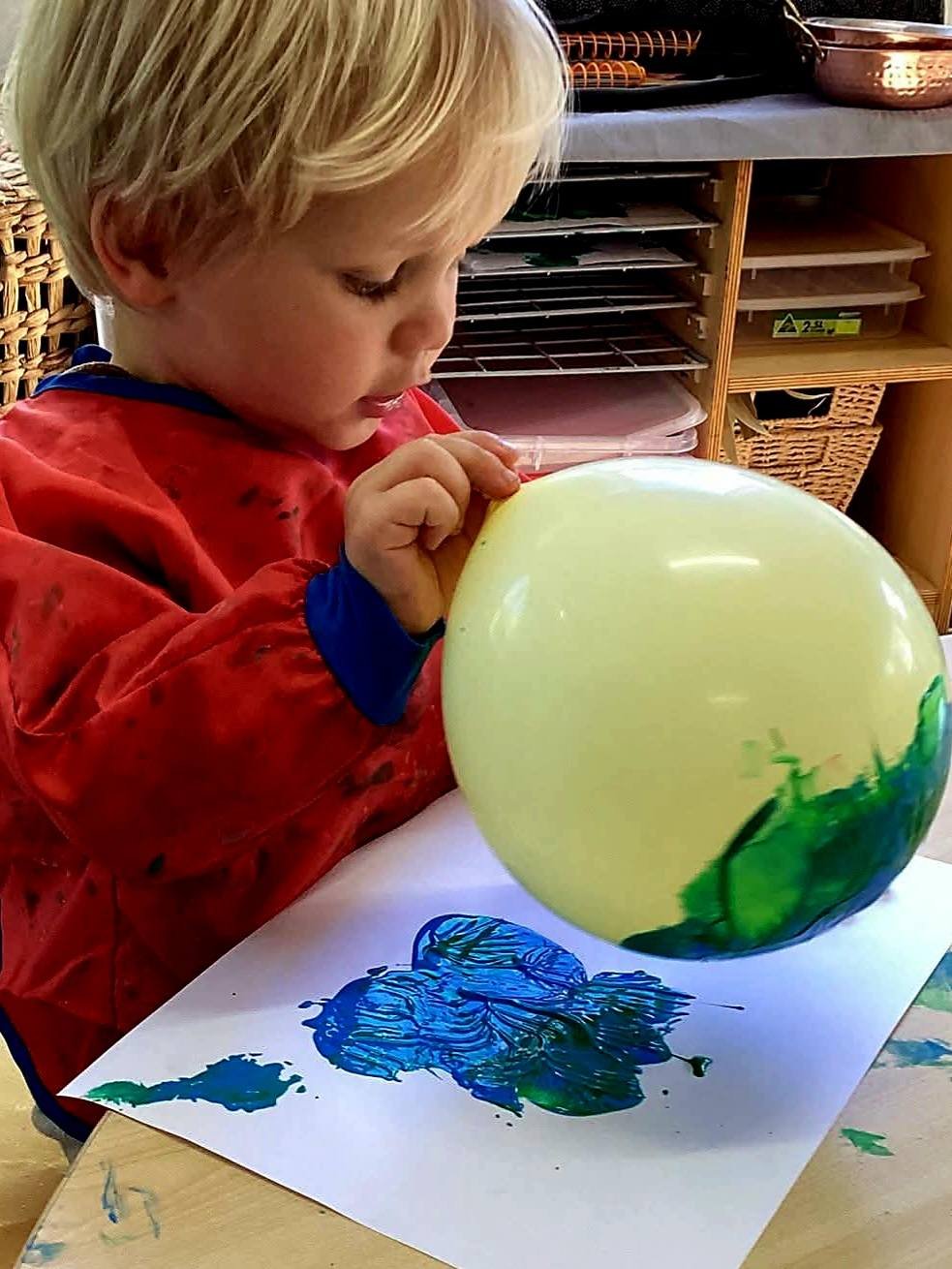
Alongside the cultural learning, the toddlers this week also explored balloon painting, which turned into an unexpected introduction to early science. Children dipped balloons into paint and rolled them across paper, exploring colour blending and discovering how secondary colours are made. Mixing yellow and blue to produce green is, for a toddler encountering it for the first time, a genuinely surprising moment. That surprise is the beginning of scientific thinking.
A Childcare Programme That Looks at the Whole Child
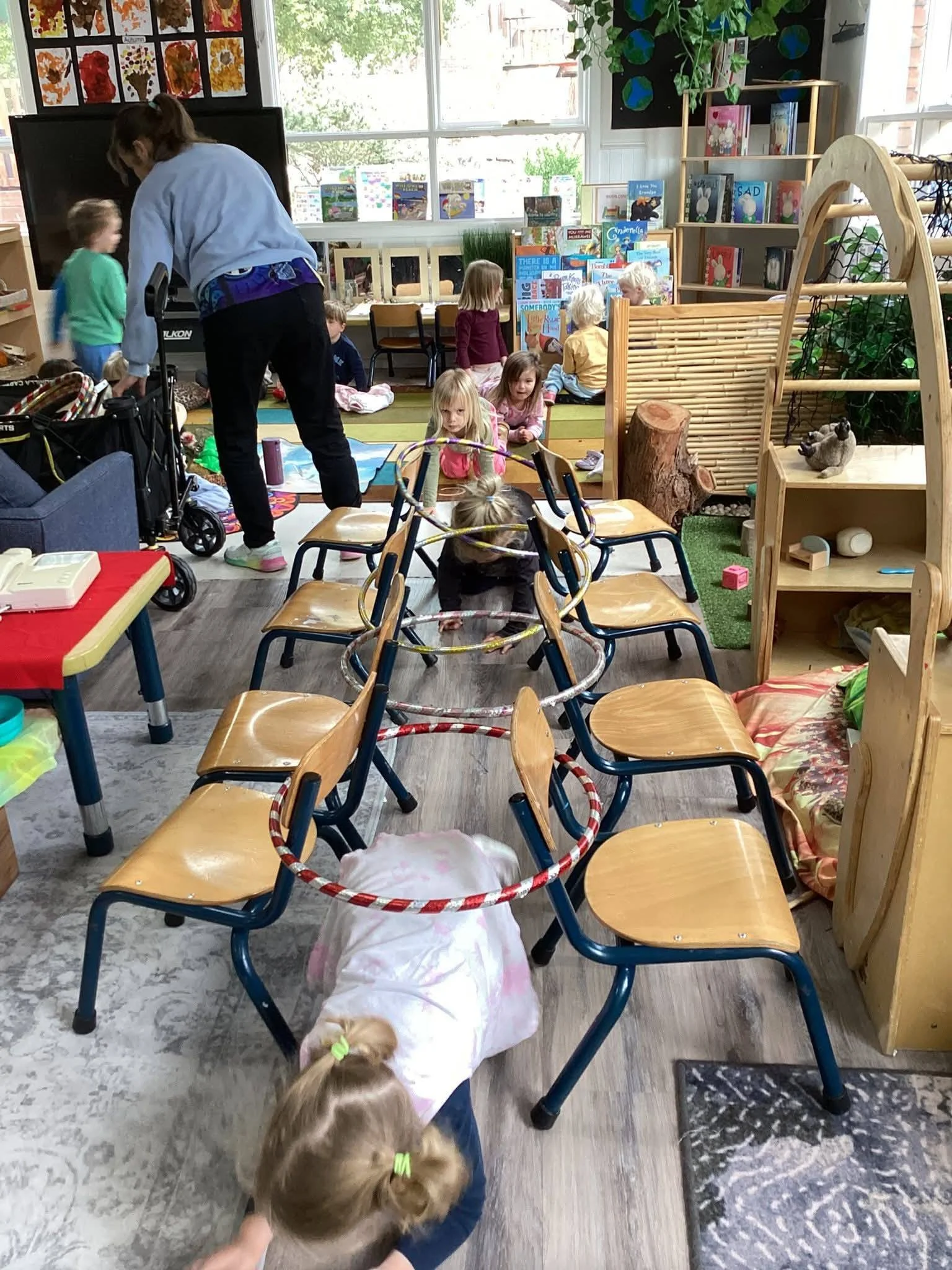
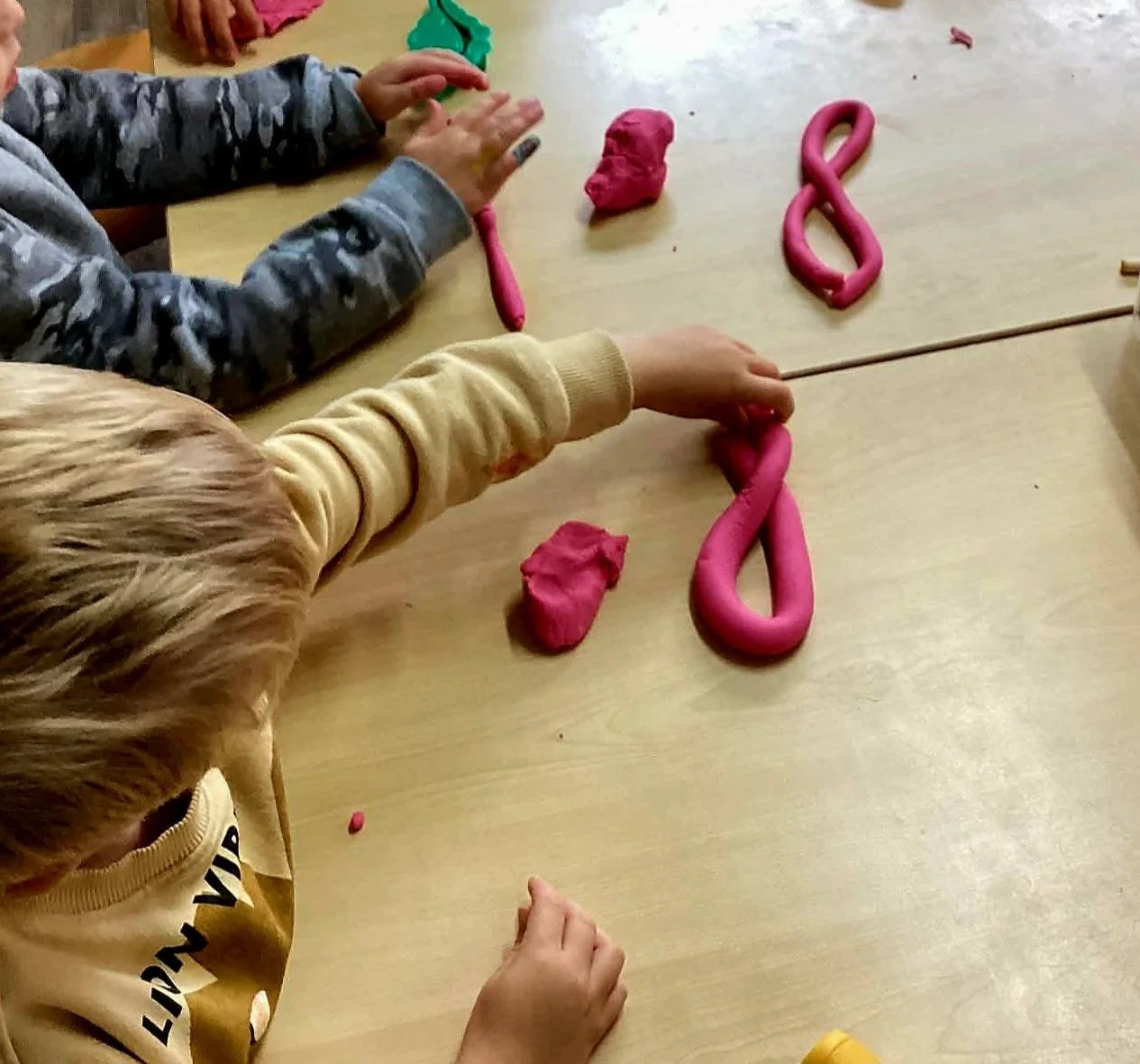
At Chipmunks Childcare, we believe an exceptional early learning programme is one that develops the whole child: their motor skills and their sense of identity, their numeracy foundations and their cultural awareness, their love of music and their capacity for empathy. The week at Chipmunks by the Bay captured all of that and more.
If you're looking for a childcare centre in your area where your child will be genuinely known and thoughtfully challenged, we'd love to show you around.
Book a tour at your nearest Chipmunks Childcare centre today.