Building Cultural Awareness in Early Childhood
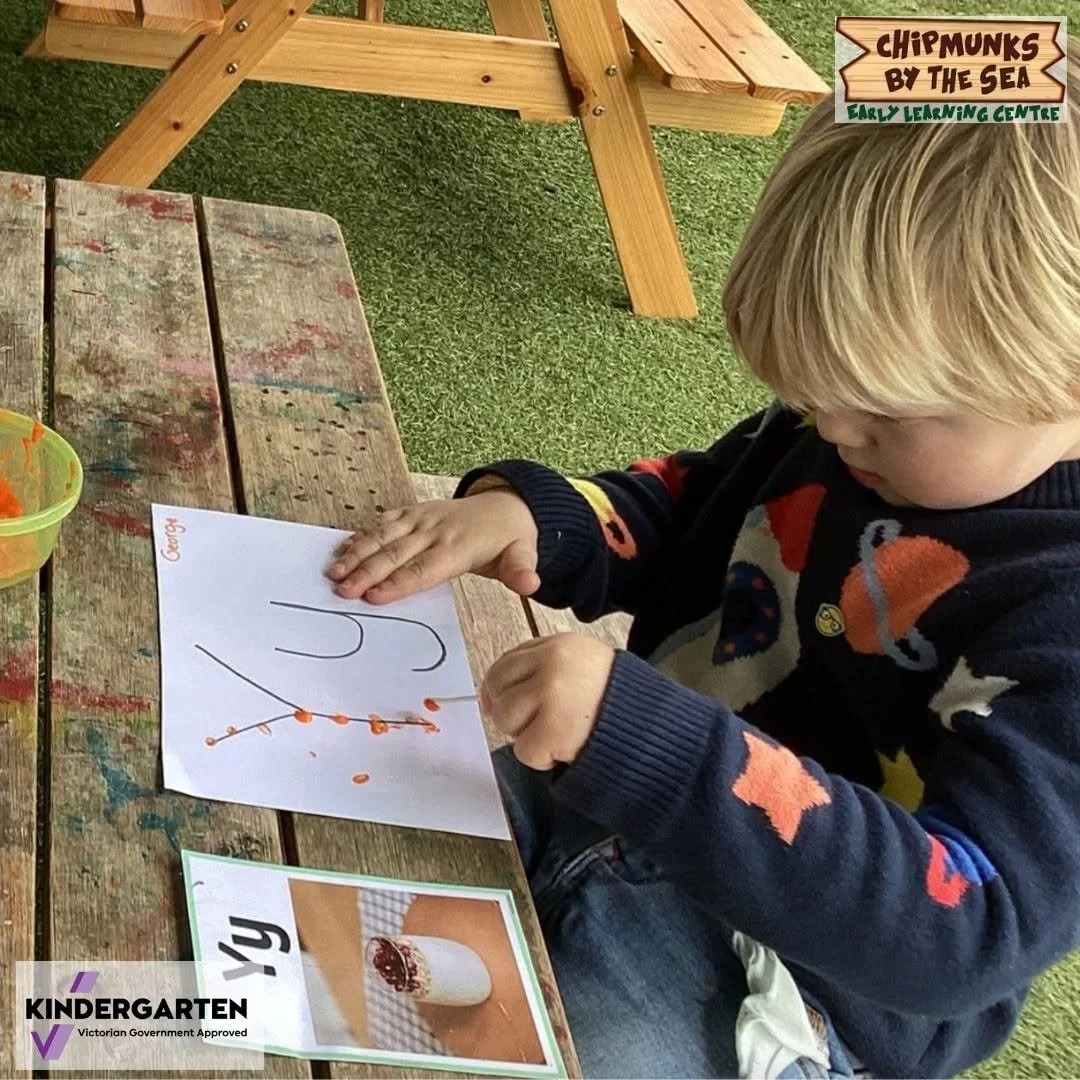
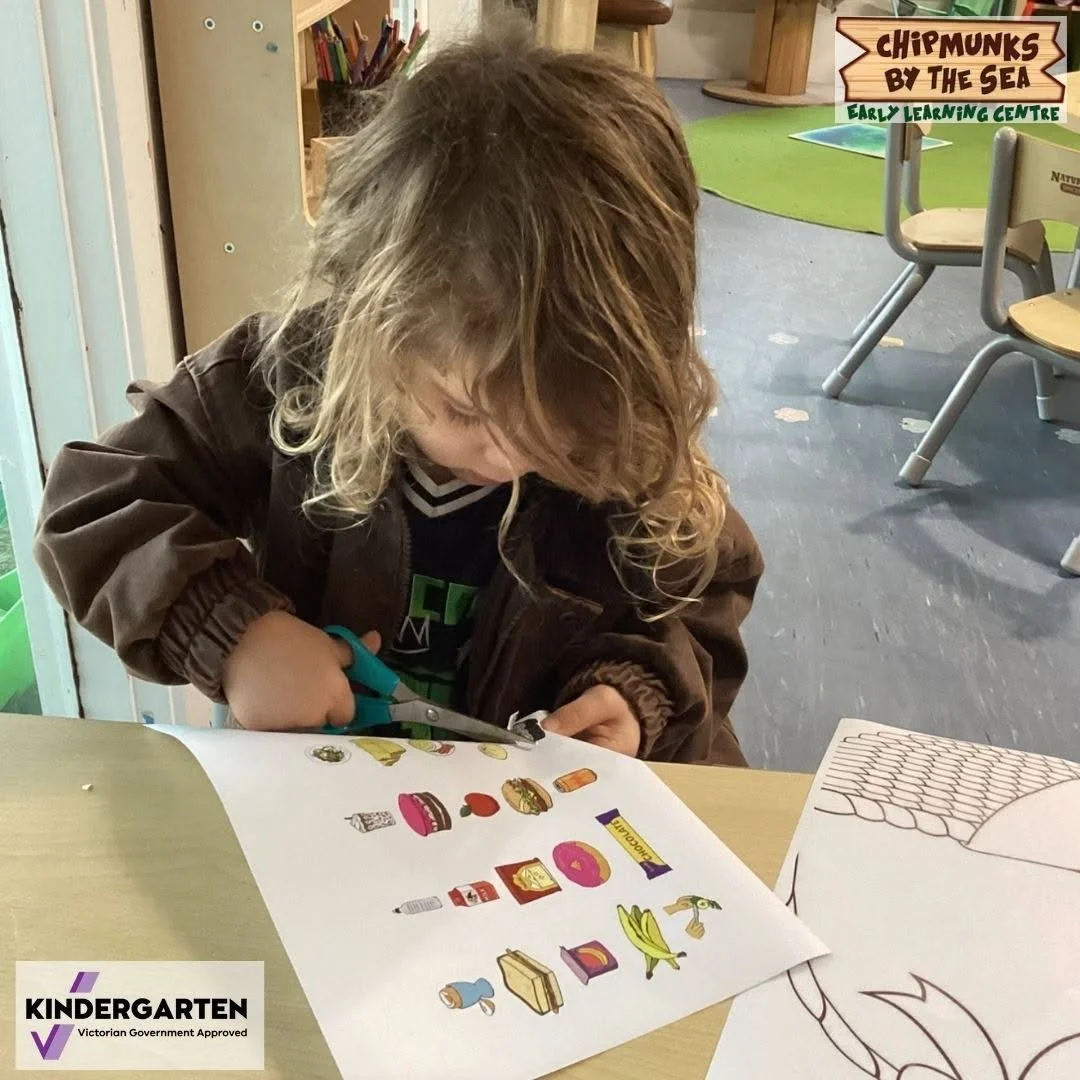
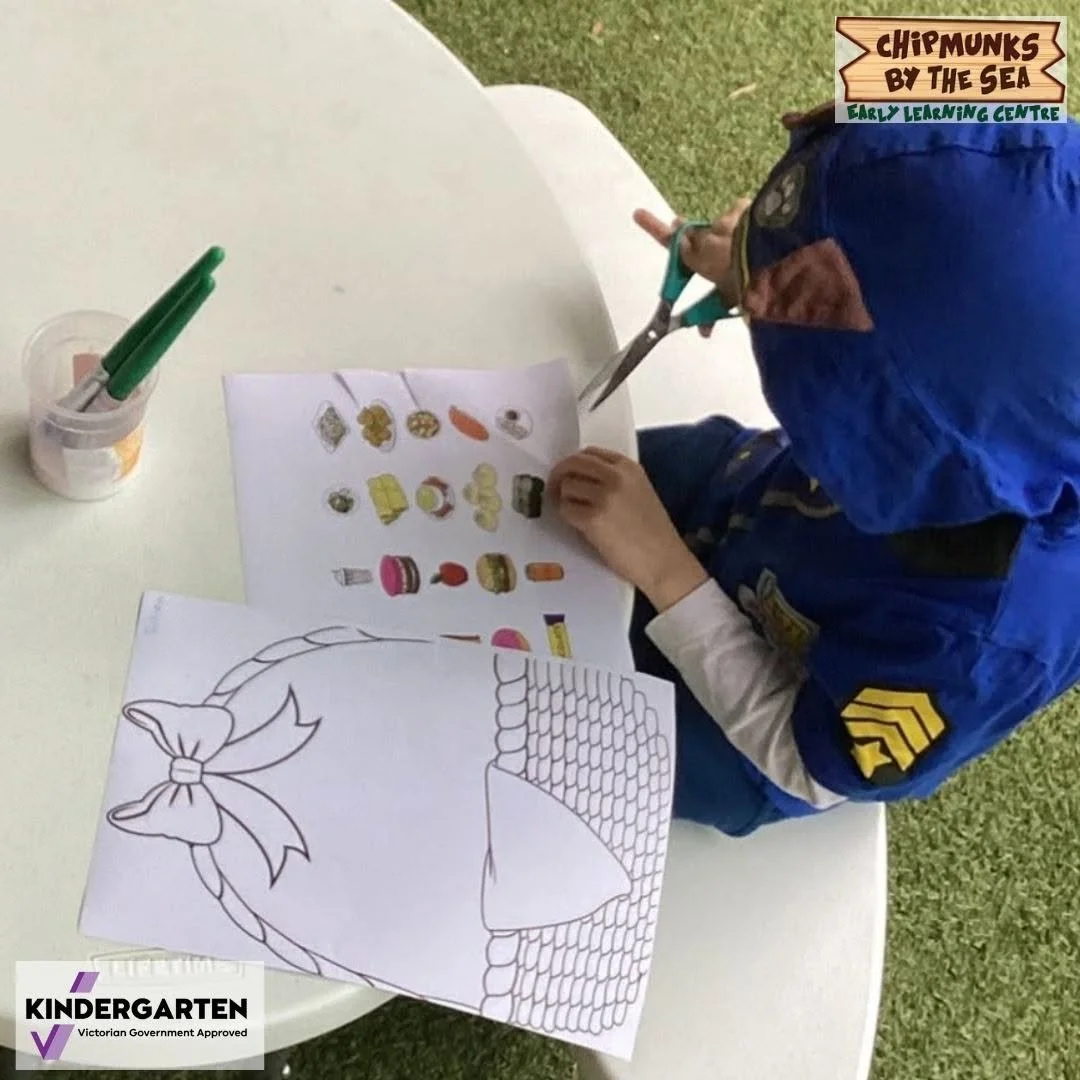
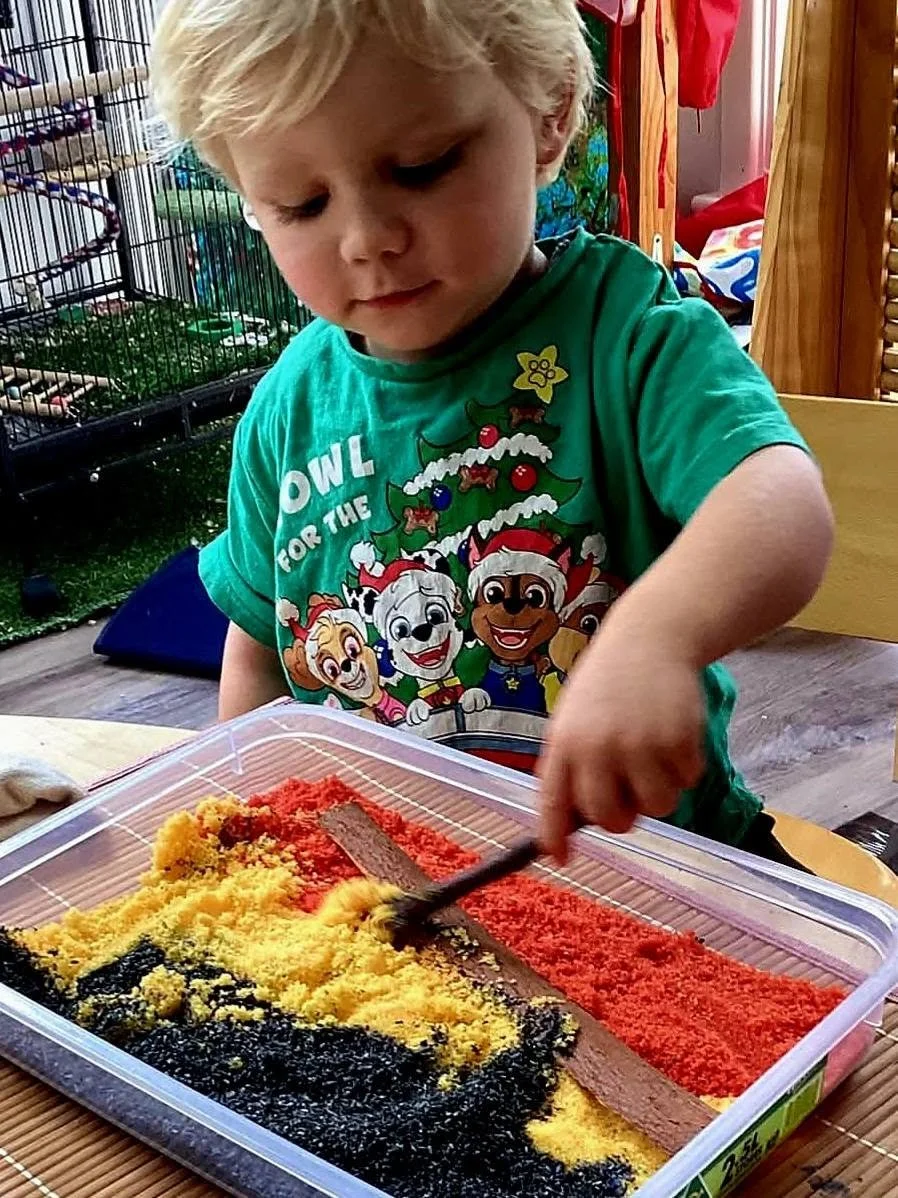
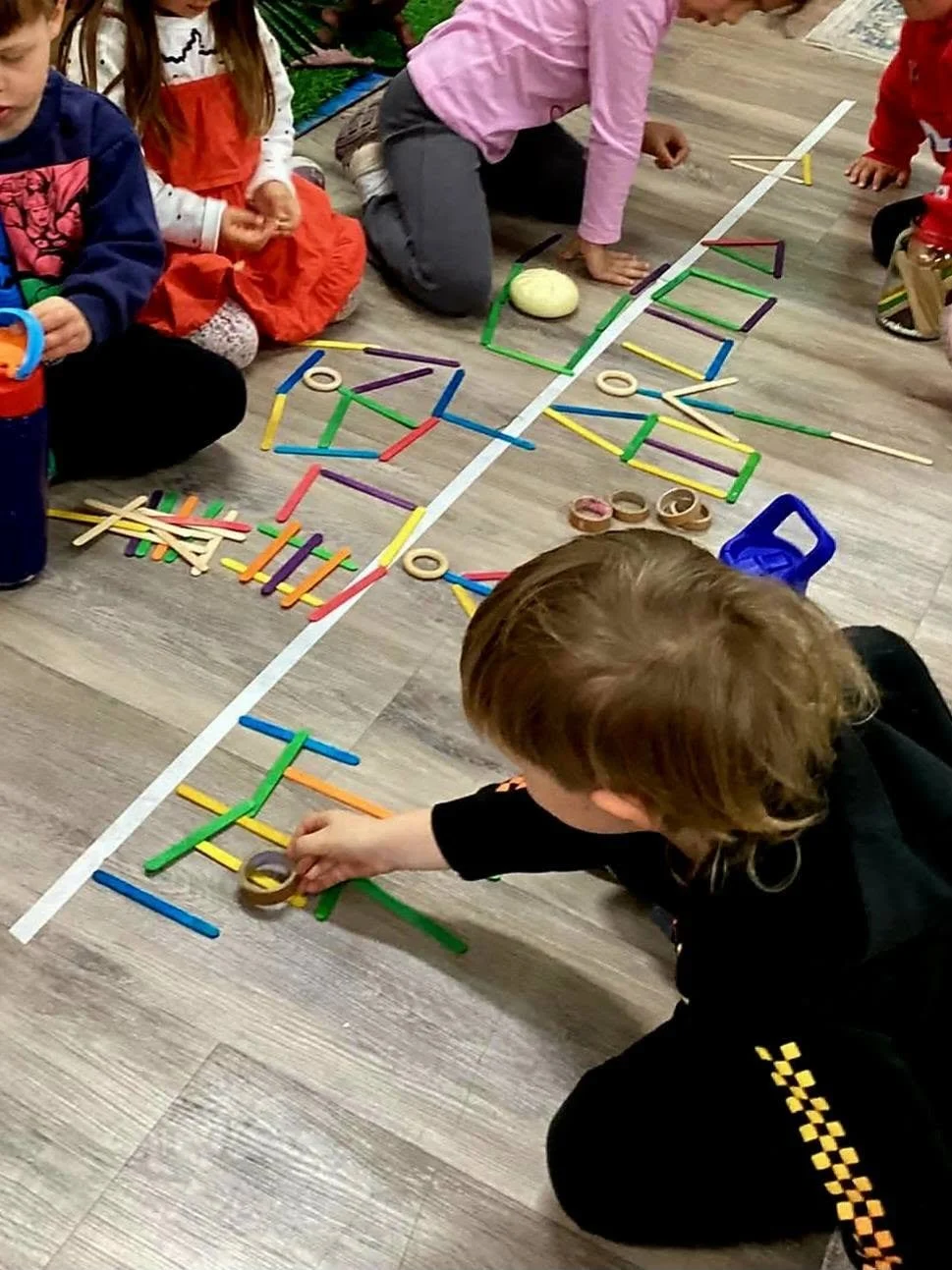
Long before children can find a country on a map, they can learn to celebrate a song from it, taste a food from it, or recognise its flag. At Chipmunks Childcare, exploring different cultures and countries is a regular part of our learning programs, helping children build curiosity, empathy, and an early appreciation for the wider world.
Why Cultural Awareness Matters So Early
It's easy to assume conversations about culture and diversity are best saved for later years, but early childhood is actually one of the most powerful times to introduce them. Young children are naturally curious and largely free of preconceptions, making this the ideal window to nurture openness rather than correct bias later on. Early exposure to different cultures supports:
Empathy and respect — understanding that there are many ways to live, eat, dress, and celebrate
Curiosity about the world — building the foundations of geography, history, and social understanding
A sense of belonging — children from diverse backgrounds see their own culture reflected and valued
Communication and language skills — new vocabulary, songs, and stories from other languages and traditions
How We Bring the World Into Our Rooms
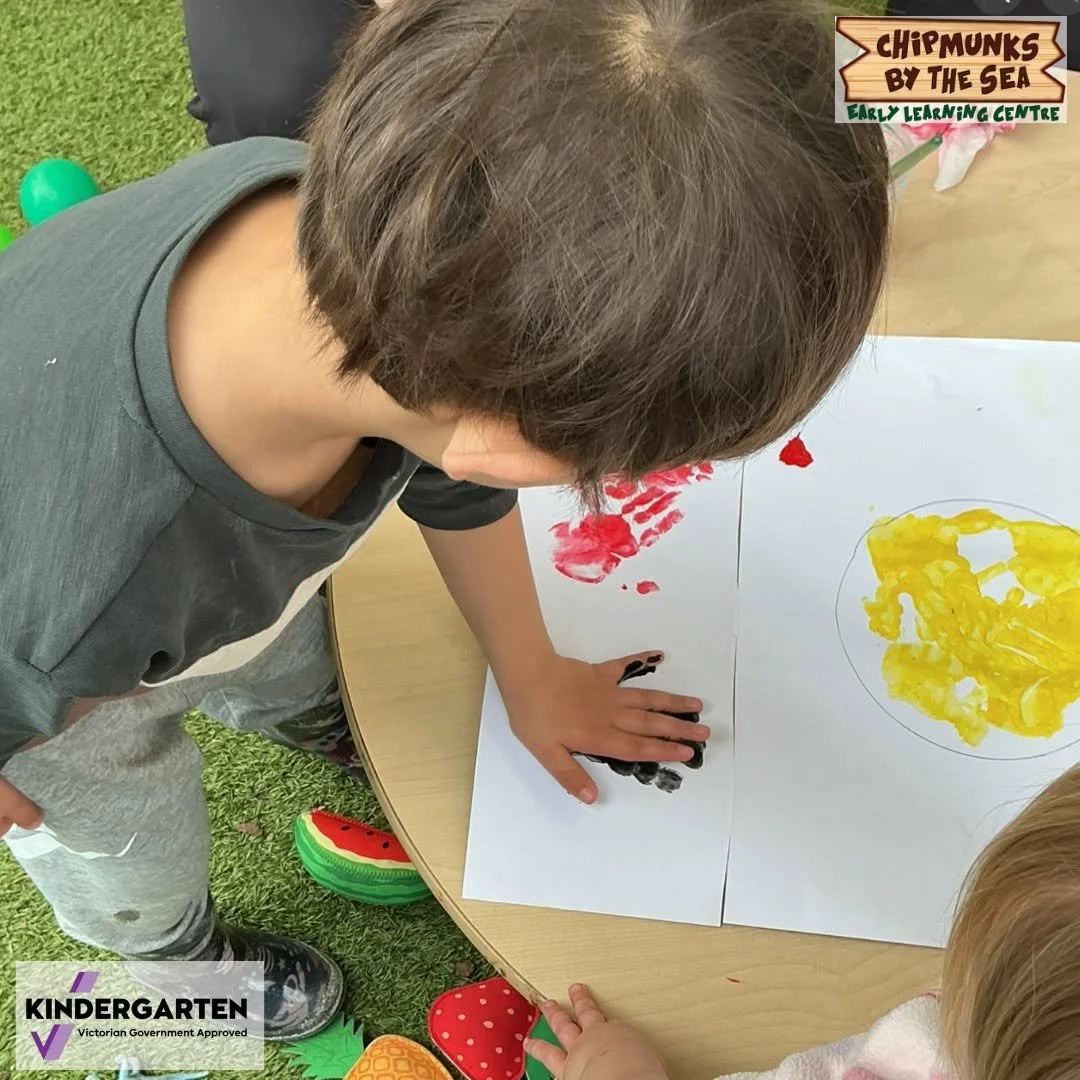
Across our centres, educators design experiences around a different country or culture, exploring it through art, music, movement, food, and discussion. Children might learn about a country's landmarks, traditional foods, and customs, take part in flag-themed crafts, or move to music and dance styles from a culture entirely different to their own. These explorations have included countries like India, Bulgaria, Romania, and Bolivia, each bringing its own stories, sounds, and colours into the room.
These activities work best when they're hands-on and sensory rather than purely informational. A craft activity built around a country's flag, a song learned in another language, or a taste-test of a traditional dish all help children connect with a culture in a way that sticks — far more effectively than a fact recited from a book.
Celebrating the Diversity Already in the Room
Cultural learning isn't only about looking outward to far-off countries — it's also about recognising and celebrating the cultures already present among the children, families, and educators in our care. When a child sees their own background reflected in a story, a song, or a celebration at the centre, it reinforces a strong and positive sense of identity. This sense of being seen and valued is just as important to a child's confidence as any new fact they learn about the world.
Connecting Cultural Learning to Everyday Skills
Exploring different cultures naturally weaves into other areas of development too. Discussions about traditions and celebrations build communication and group discussion skills, while comparing foods, clothing, and customs across countries supports early critical thinking — children begin to notice similarities and differences, and to ask thoughtful questions about why people do things differently.
Bringing the World Home
Families can easily extend this learning beyond the centre. Cooking a meal from another culture together, listening to music in a different language, or simply talking about your own family's traditions and heritage all help reinforce the curiosity and openness we aim to build every day. If your family has its own cultural traditions, stories, or celebrations, we'd love to hear about them — they're often a wonderful addition to what we explore in the classroom.
Raising Curious, Open-Minded Children
A child who grows up curious about the world, rather than wary of difference, carries that openness with them for life. If you'd like to hear more about how cultural learning fits into our programs, find your nearest Chipmunks Childcare centre — we'd love to tell you more.