How Early Learning Builds the Foundation for School Success
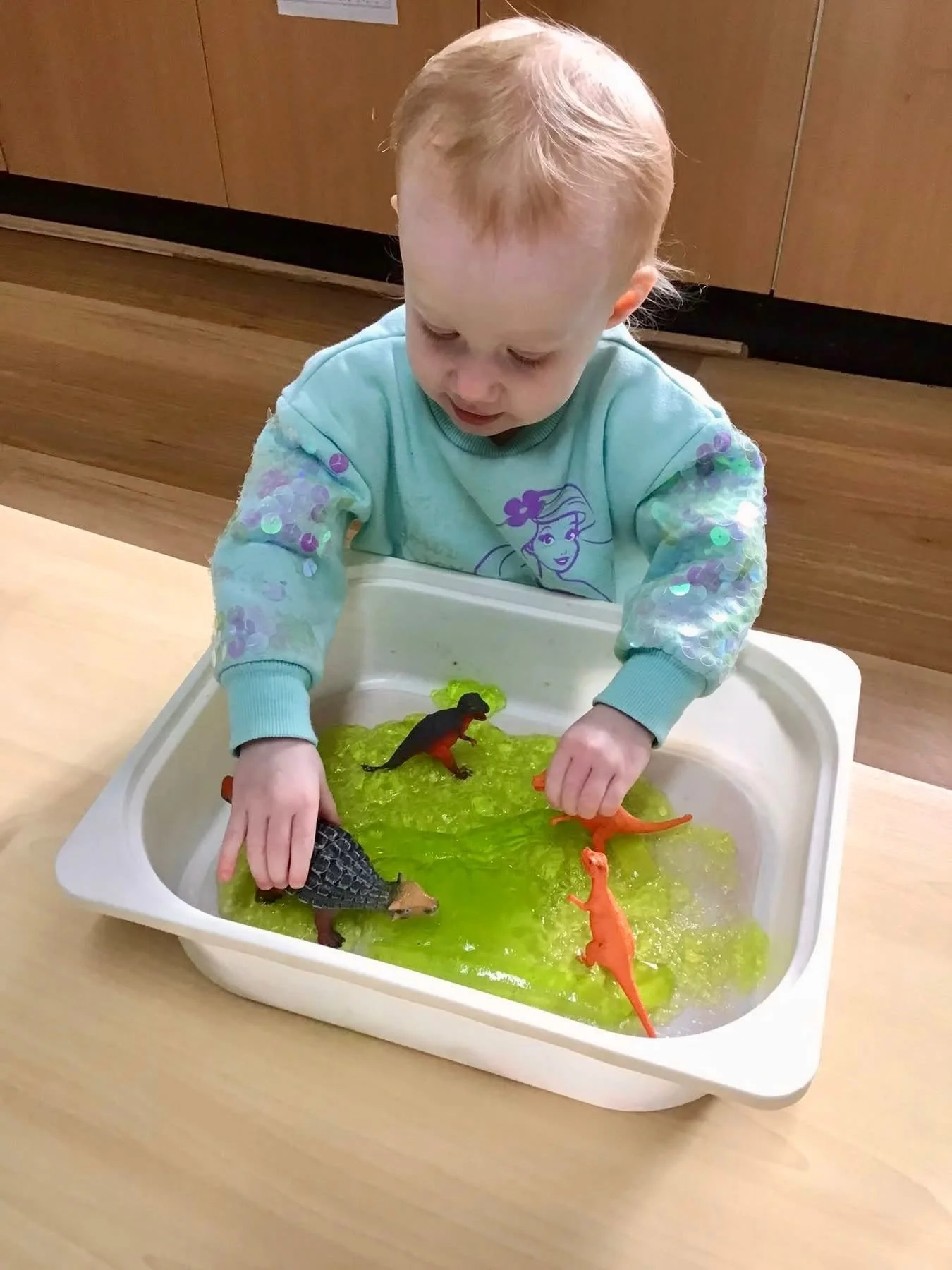
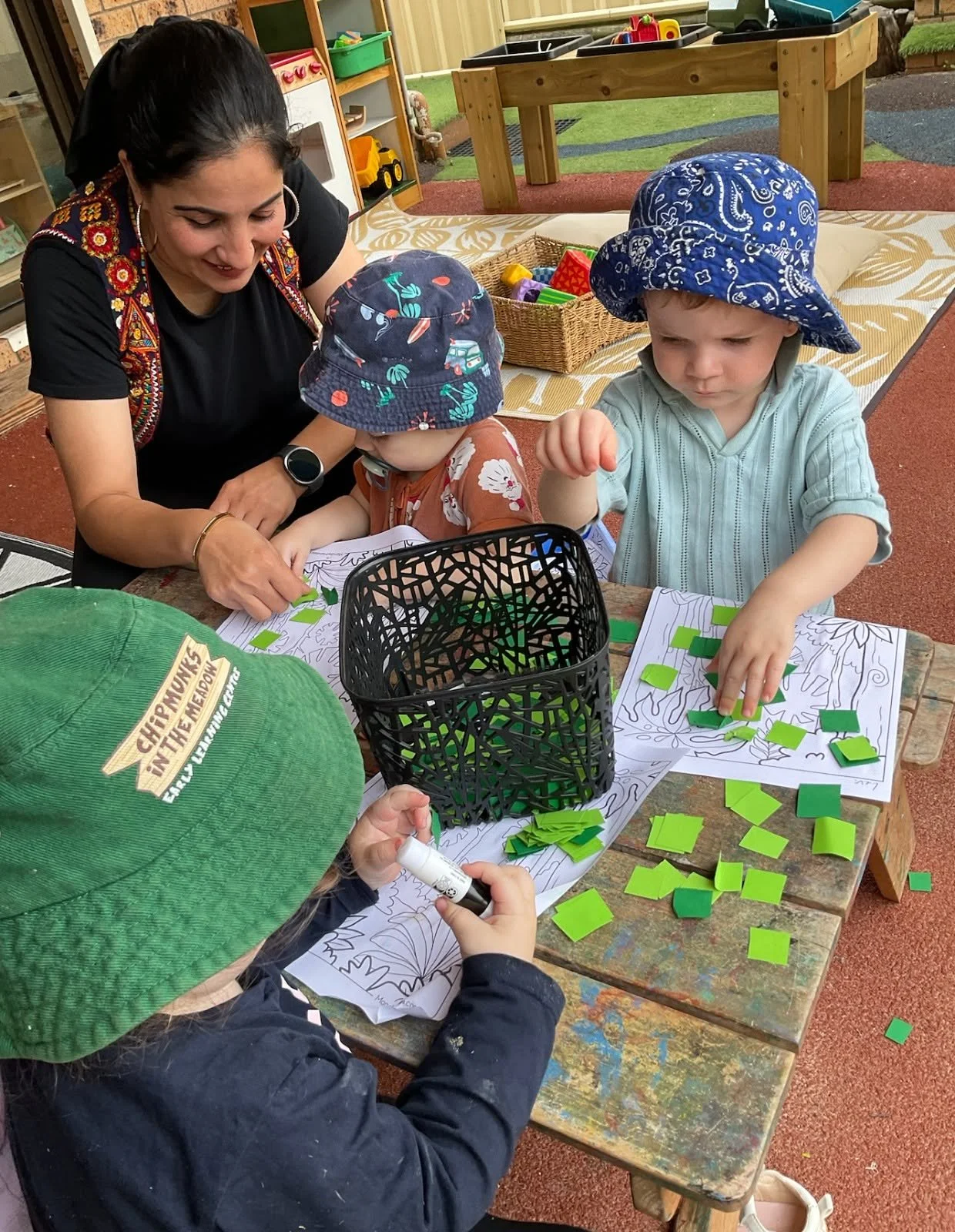
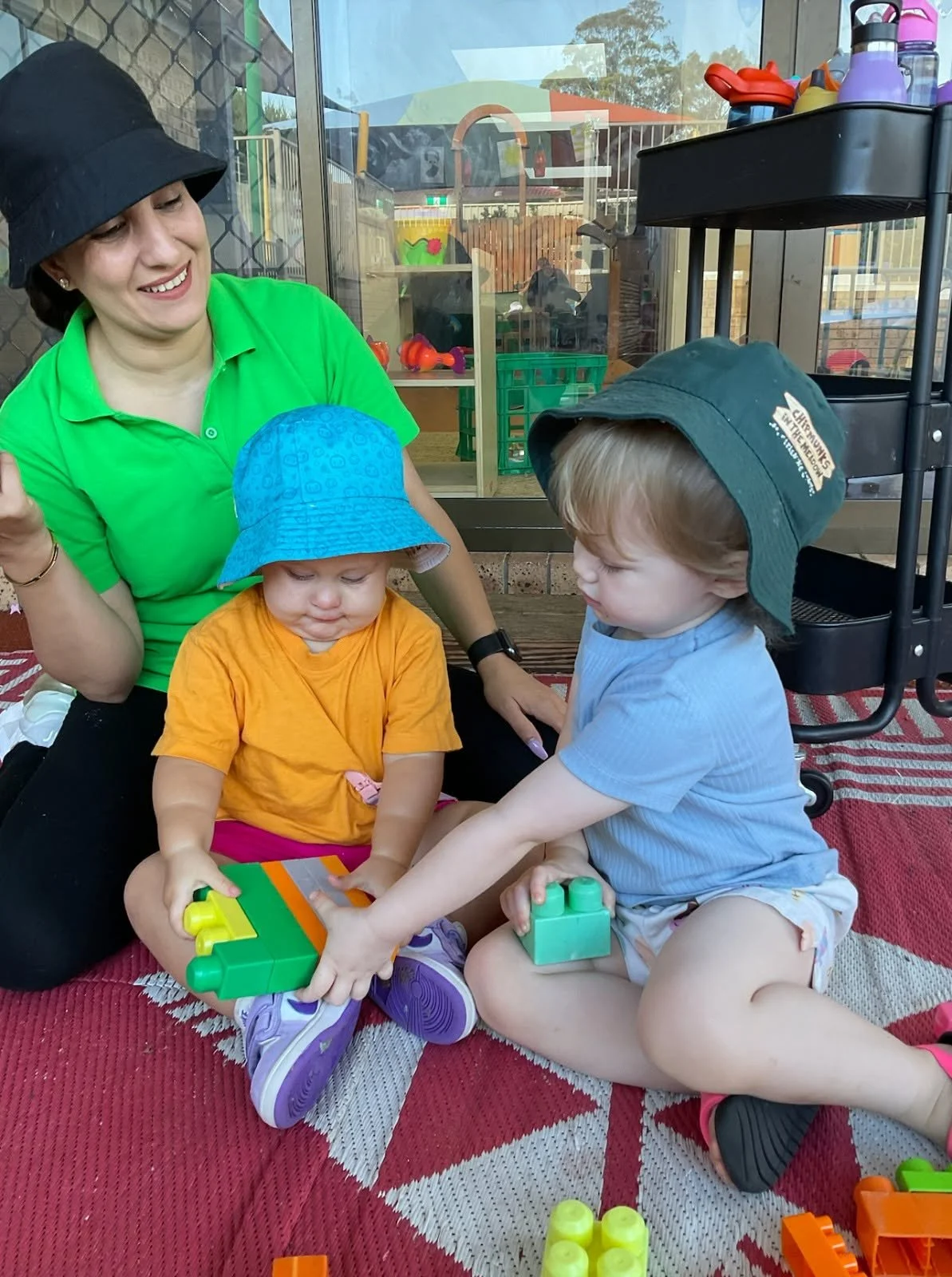
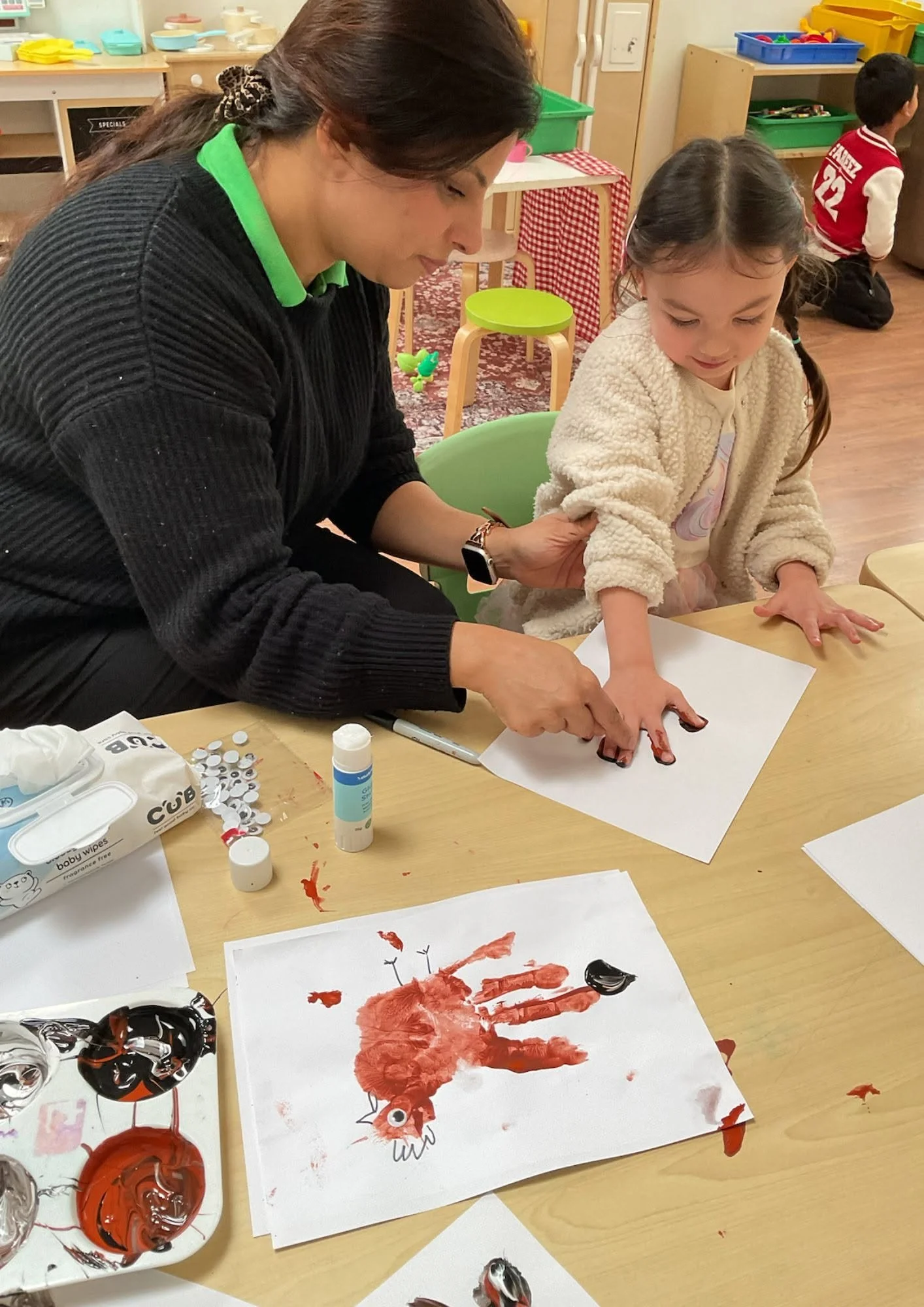
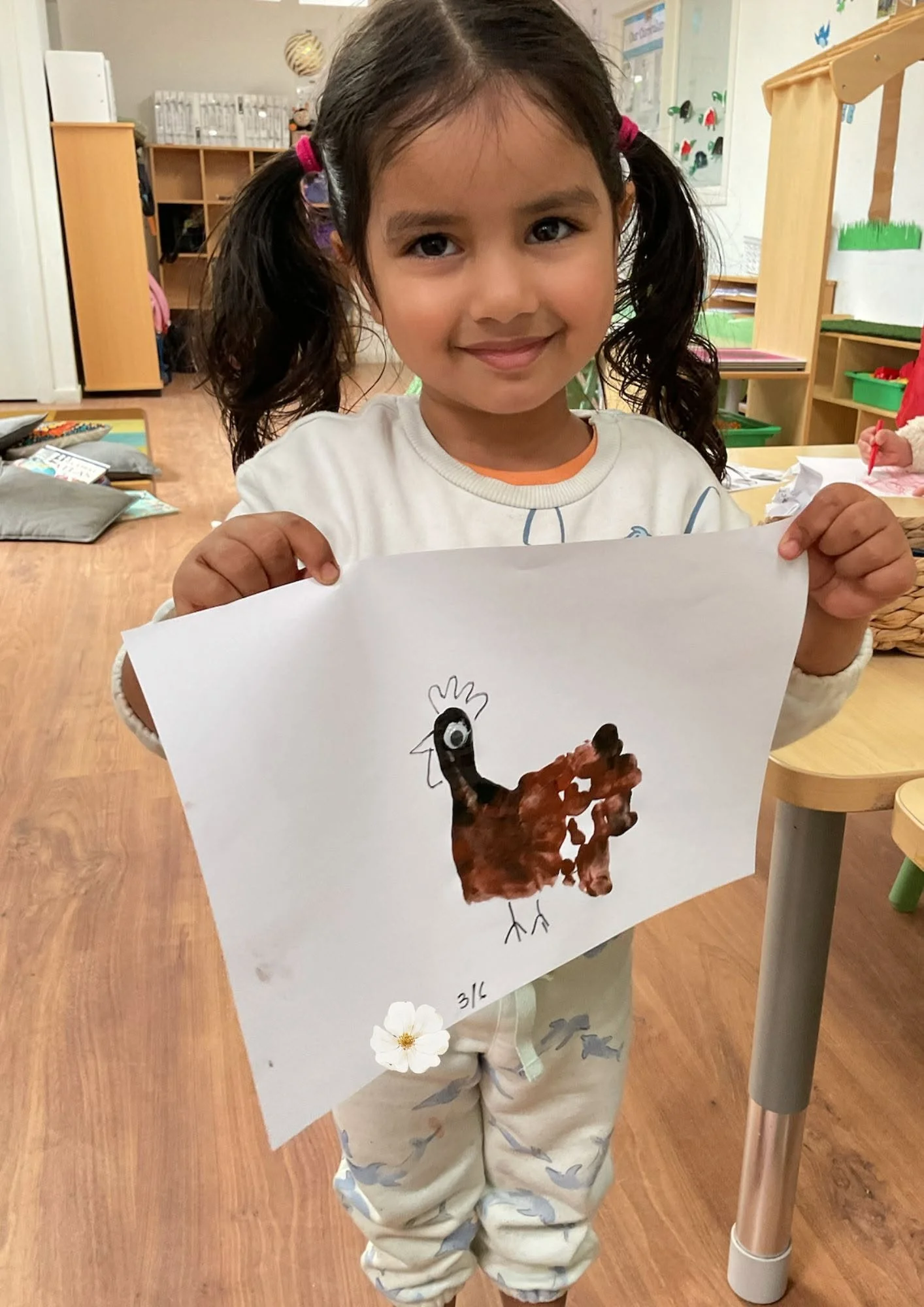
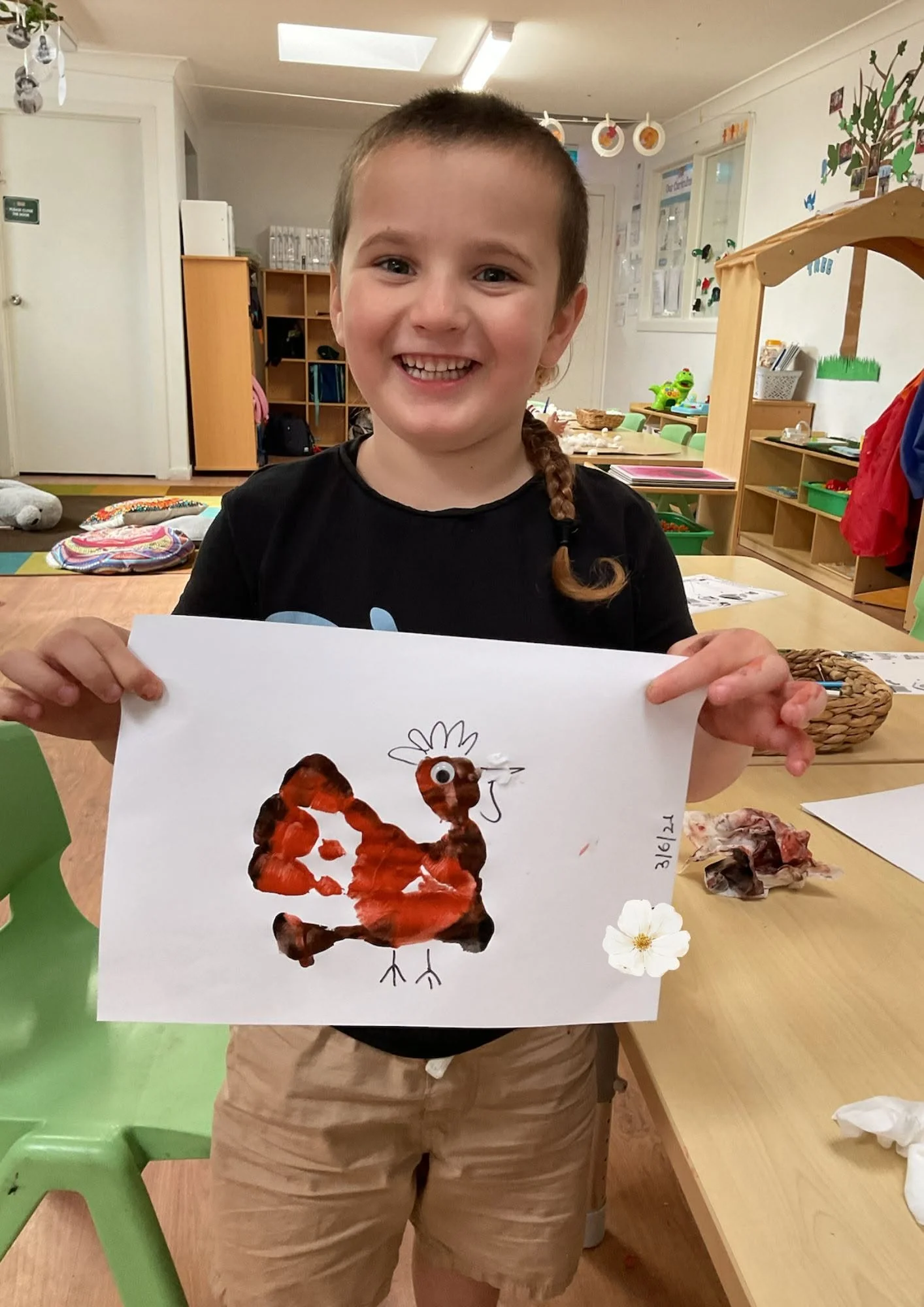
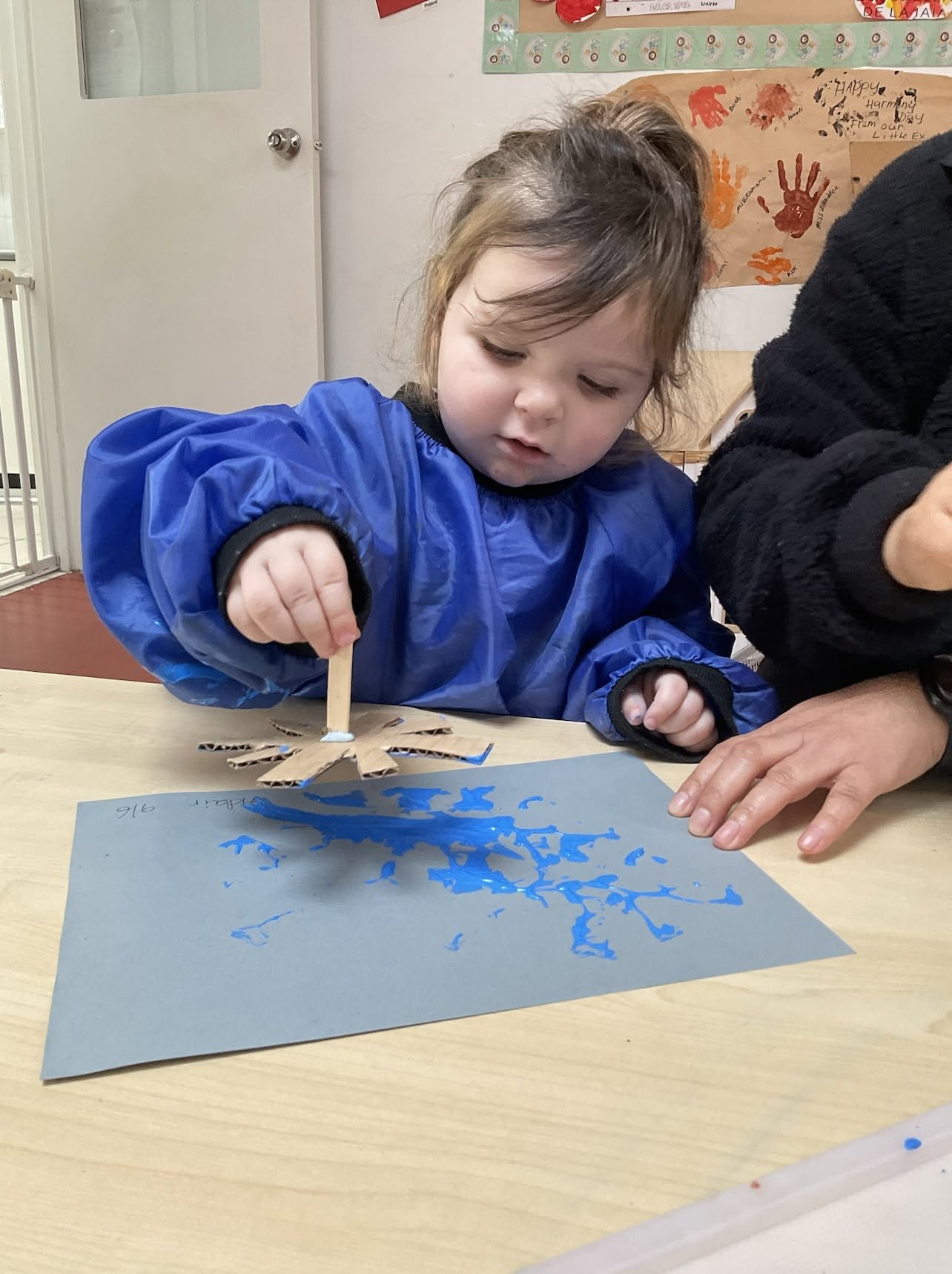
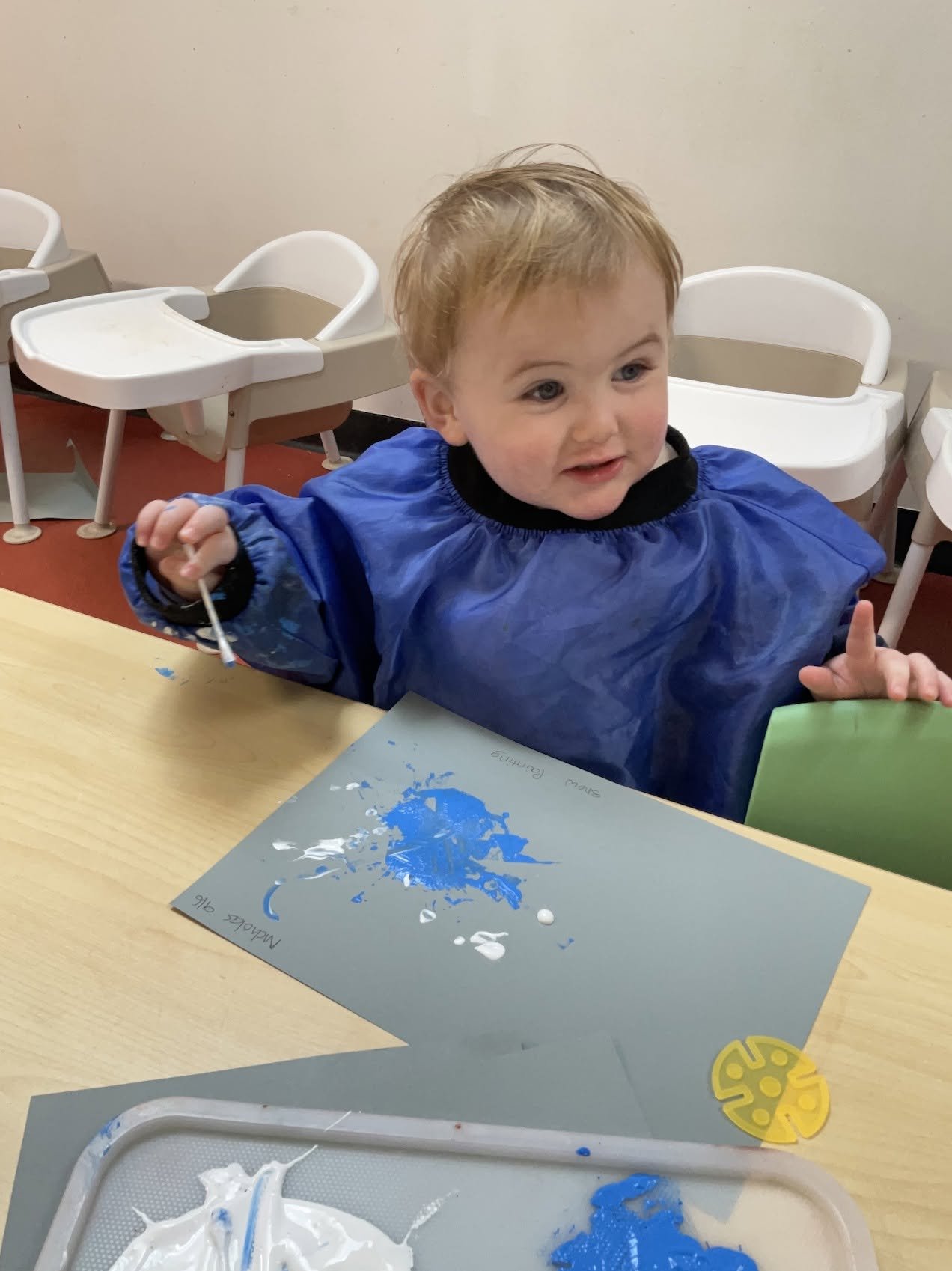
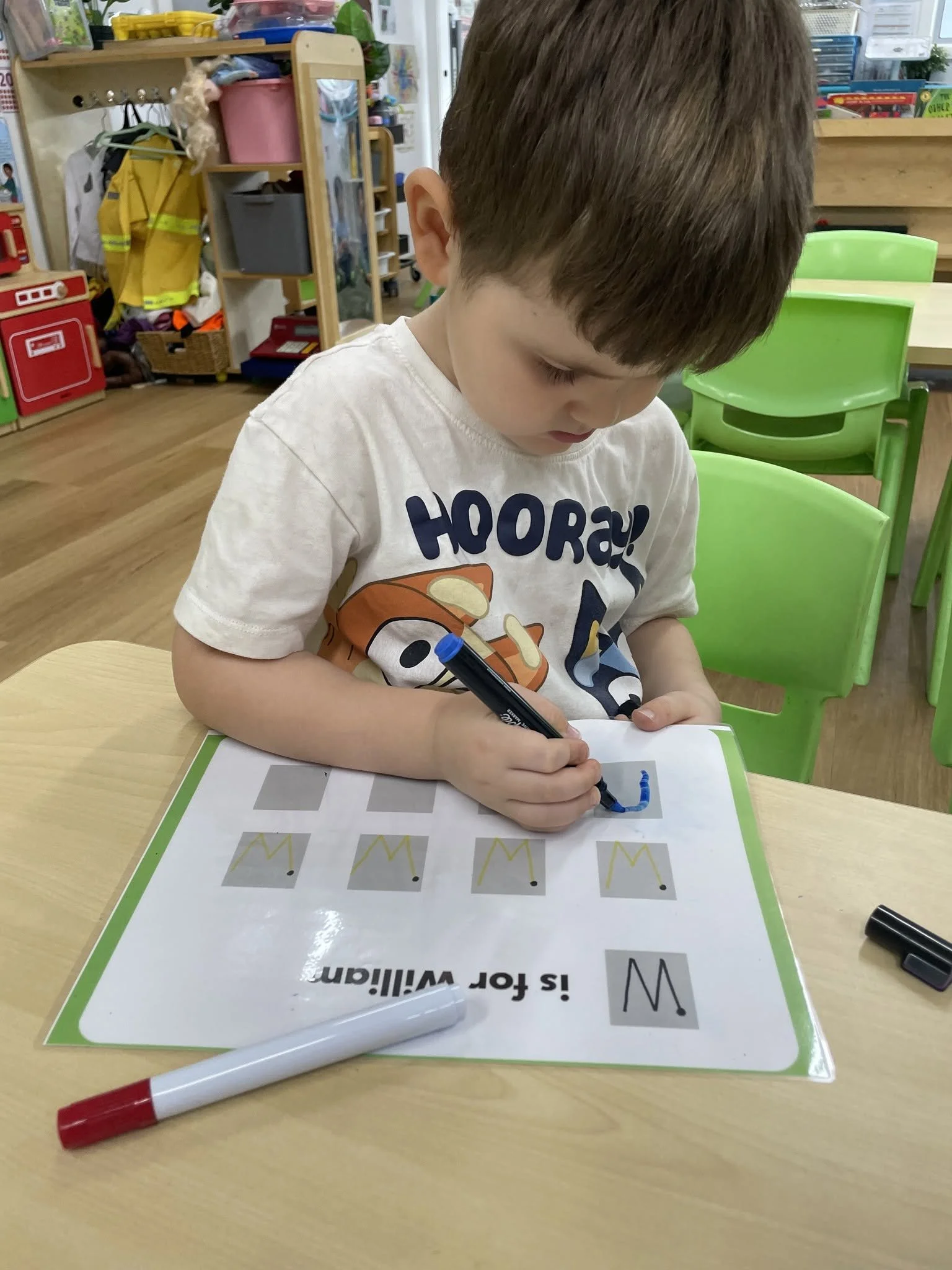
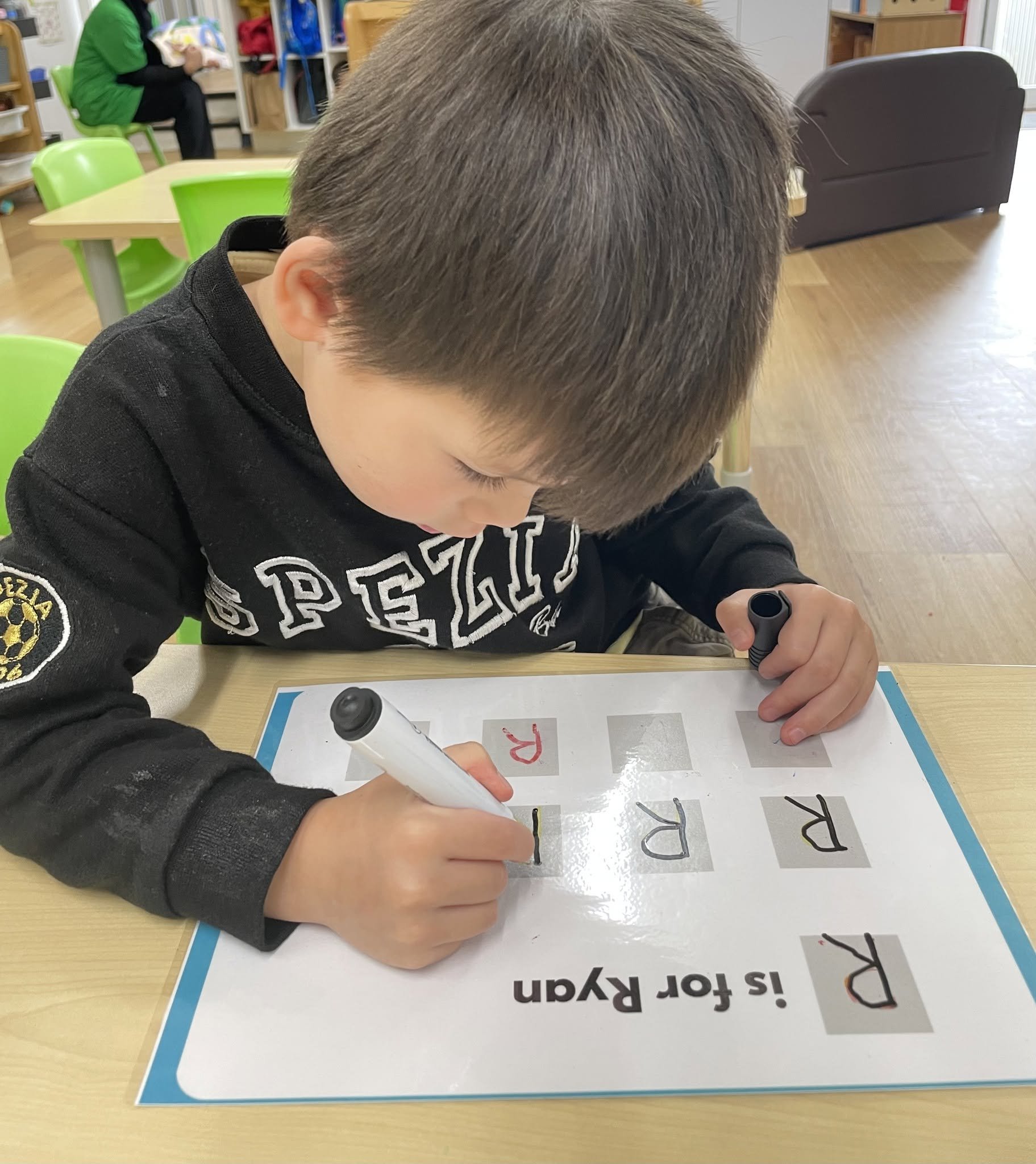
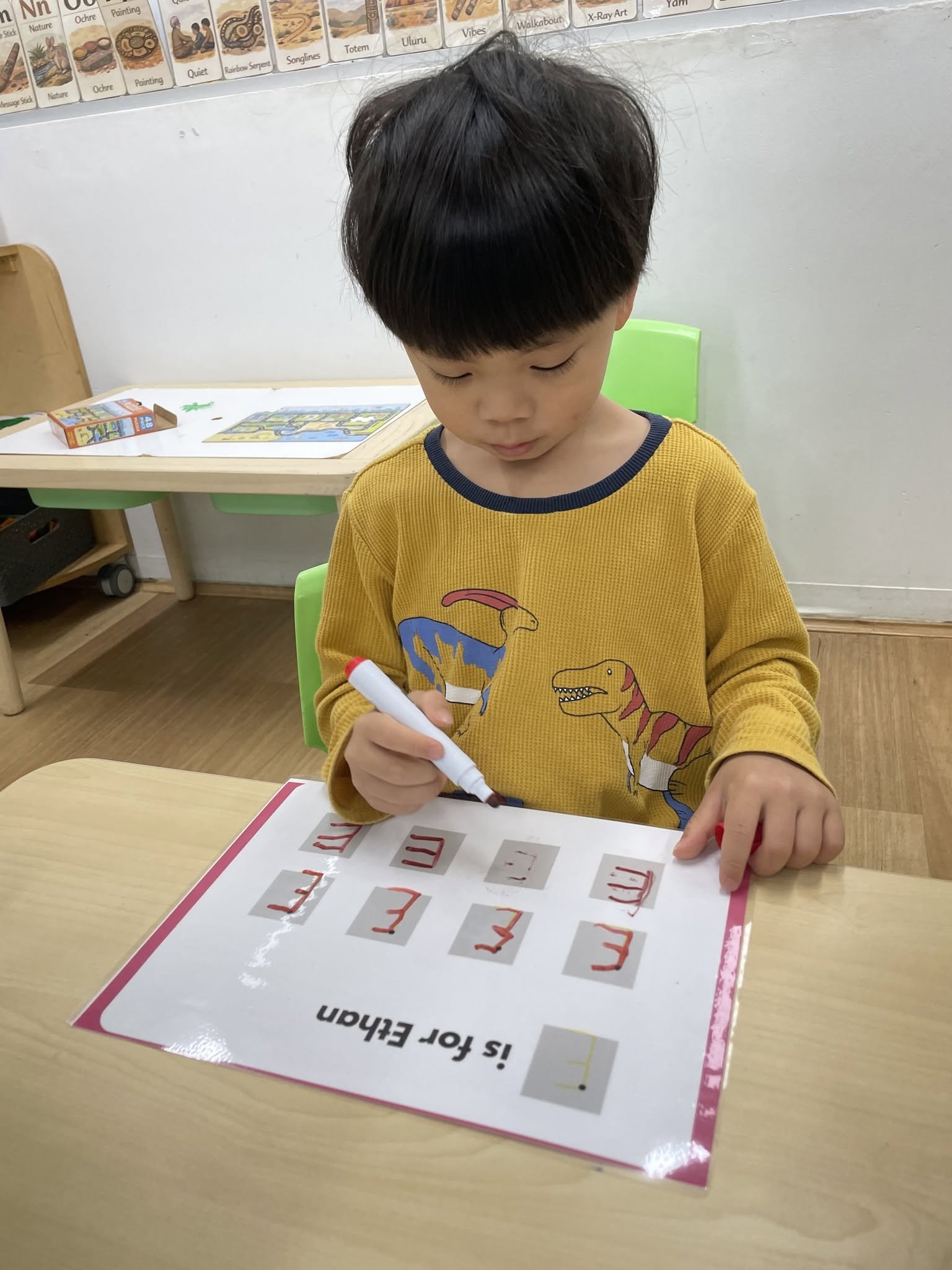
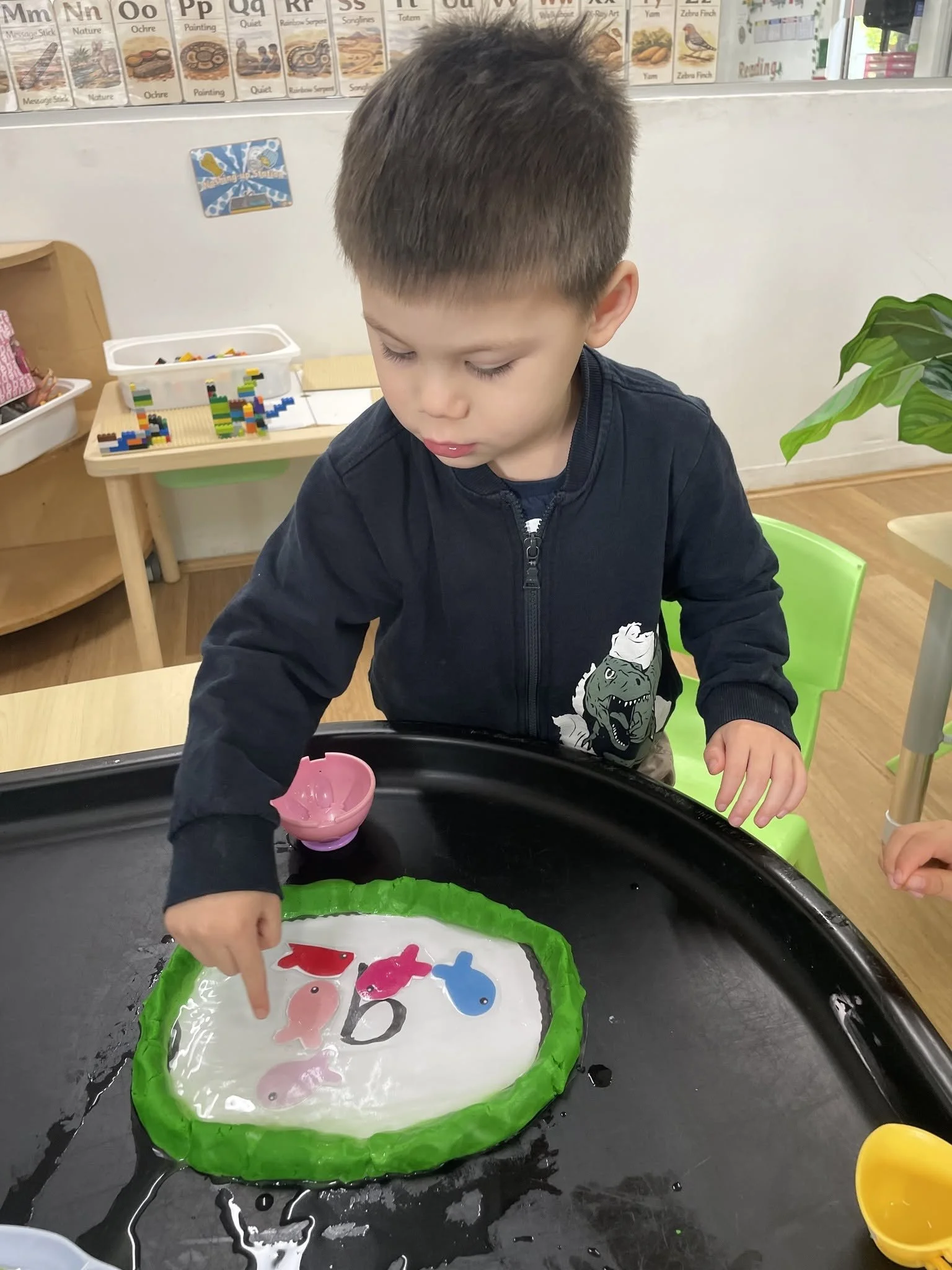
When parents hear "school readiness," it's natural to picture flashcards and worksheets. In reality, the most important preparation for school happens through play, conversation, and everyday experiences — and it starts well before a child's final year of childcare.
What School Readiness Really Means
School readiness isn't a single skill; it's a combination of confidence, independence, communication, and curiosity, alongside early literacy and numeracy foundations. A child who can problem-solve, share ideas in a group, and manage their own belongings is just as "ready" for school as one who can recognise their letters.
Building Early Literacy and Numeracy Through Play
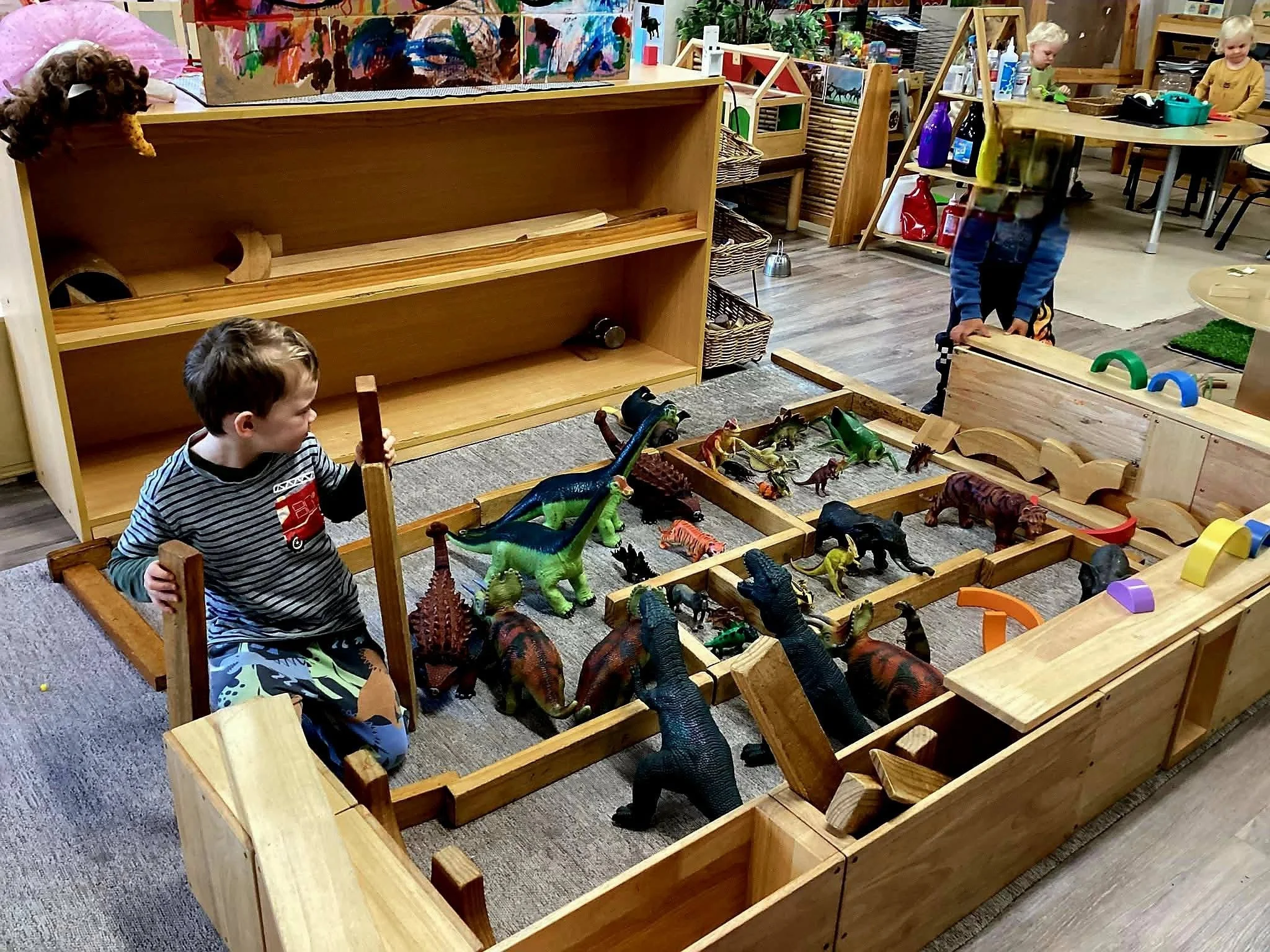
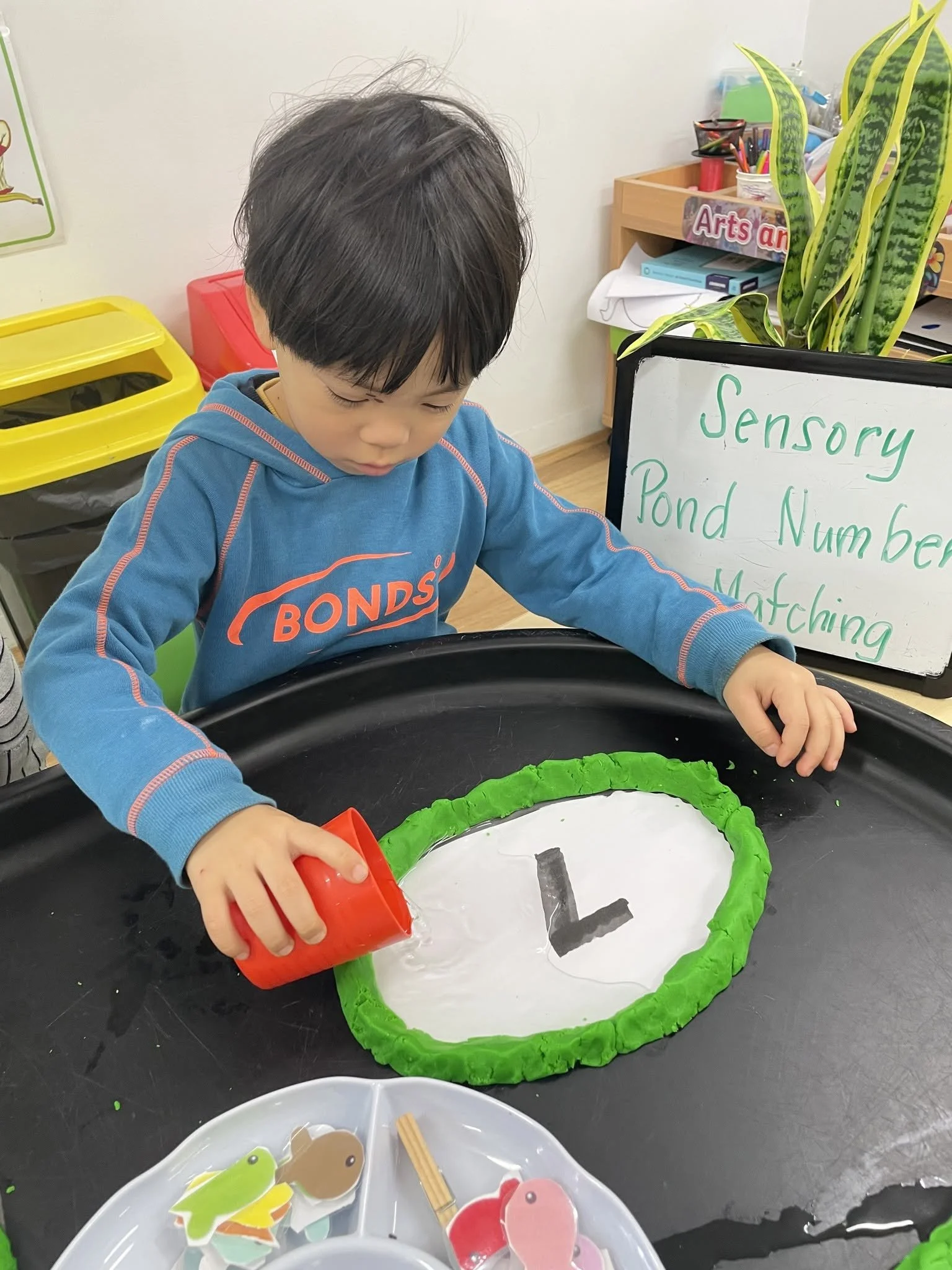
Across our Preschool and Kindergarten rooms, early literacy and numeracy are introduced through hands-on, meaningful experiences rather than rote learning. Children might explore phonics and letter recognition through games, group discussions, and creative arts, while number recognition is woven into everyday routines and play-based activities. Whiteboards, loose parts, and writing materials are made freely available, giving children low-pressure opportunities to experiment with early writing and counting at their own pace.
Confidence, Independence, and Problem-Solving
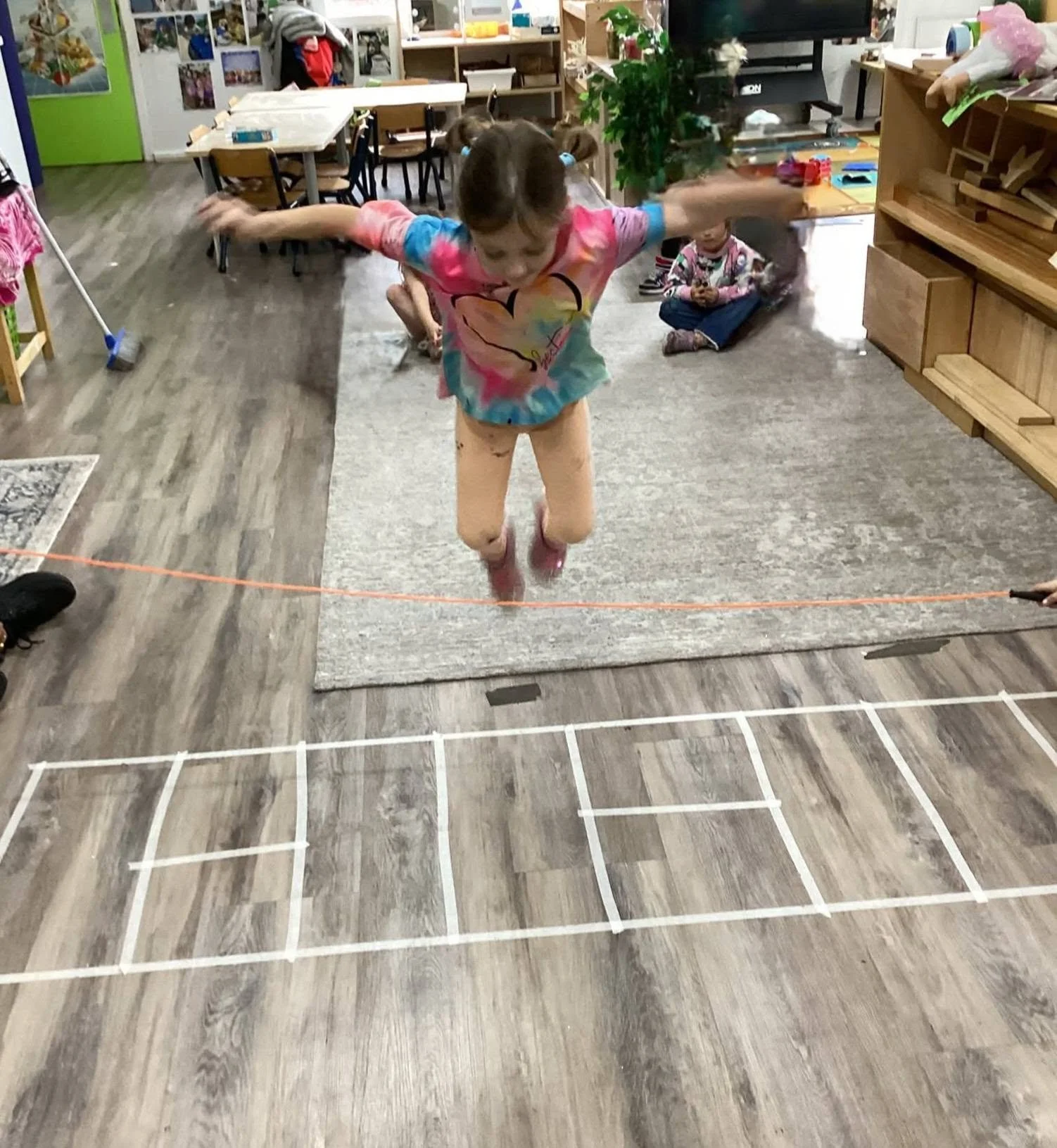
Just as important as academic foundations is the confidence to try, fail, and try again. Outdoor games and challenges encourage children to work together and think critically about problems, while imaginative and role play experiences build communication skills and the confidence to share ideas in front of a group. Educators are intentional about encouraging children's own thinking — listening to their ideas, asking open-ended questions, and supporting them to find solutions themselves.
Healthy Habits and a Sense of the Wider World
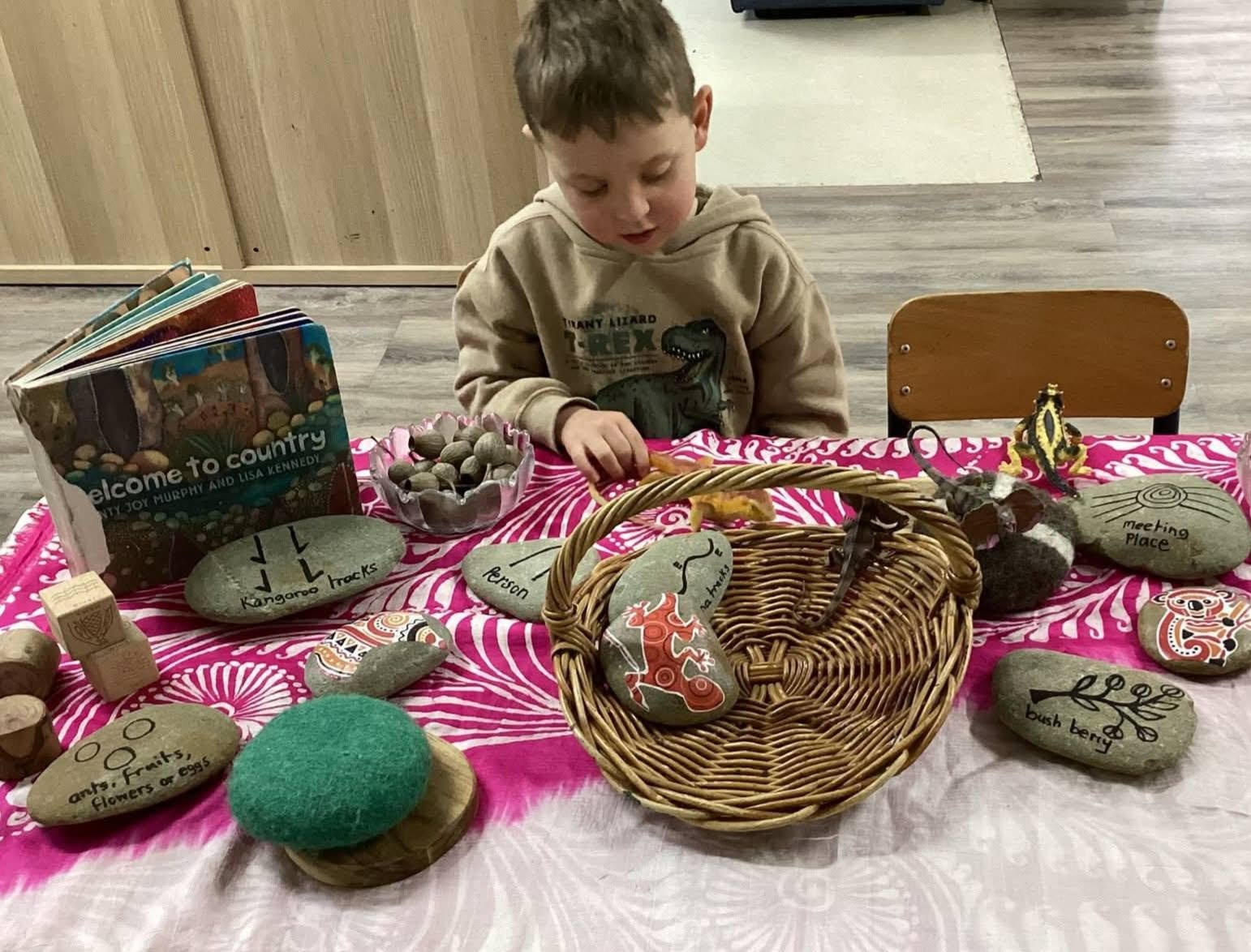
School readiness also includes practical, everyday knowledge. Discussions about healthy eating and lunchbox choices help children understand food groups and nutrition in a way that will serve them well once they're packing their own school lunches. Exploring different countries and cultures — through art, music, dance, and discussion — builds curiosity about the wider world and an early appreciation of diversity, both valuable foundations for the more structured learning ahead.
A Gradual, Age-Appropriate Journey
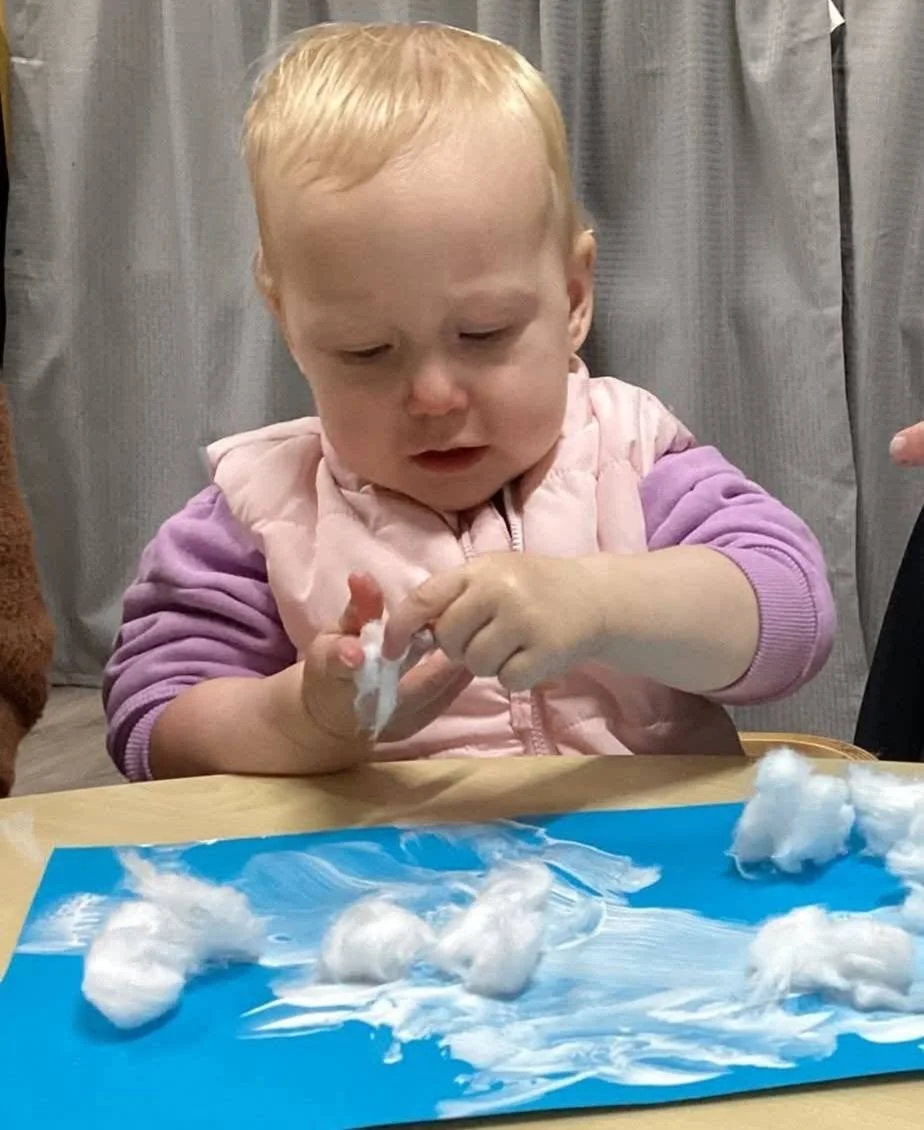
Importantly, school readiness isn't something that switches on in a child's final year of childcare — it builds gradually from the toddler years onwards. Babies and toddlers develop the gross motor skills, language, and sense of security that underpin later learning. Preschoolers build on this with literacy, numeracy, and social experiences directly relevant to the classroom environment they're heading towards. By the time children move on to school, they've had years of practice building the skills — academic and otherwise — that will help them thrive.
Supporting Your Child's Transition to School
Parents can support this journey at home by reading together regularly, involving children in everyday counting and sorting tasks, and giving them small, manageable responsibilities that build independence, like packing their own bag or choosing their own clothes.
Let's Talk About Your Child's Learning Journey
Every child's path to school readiness looks a little different. If you'd like to discuss how our programs support your child's development at every age and stage, find your nearest Chipmunks Childcare centre — our educators would love to talk through what this looks like for your family.