The Power of Sensory Play: Why It's a Cornerstone of Early Learning
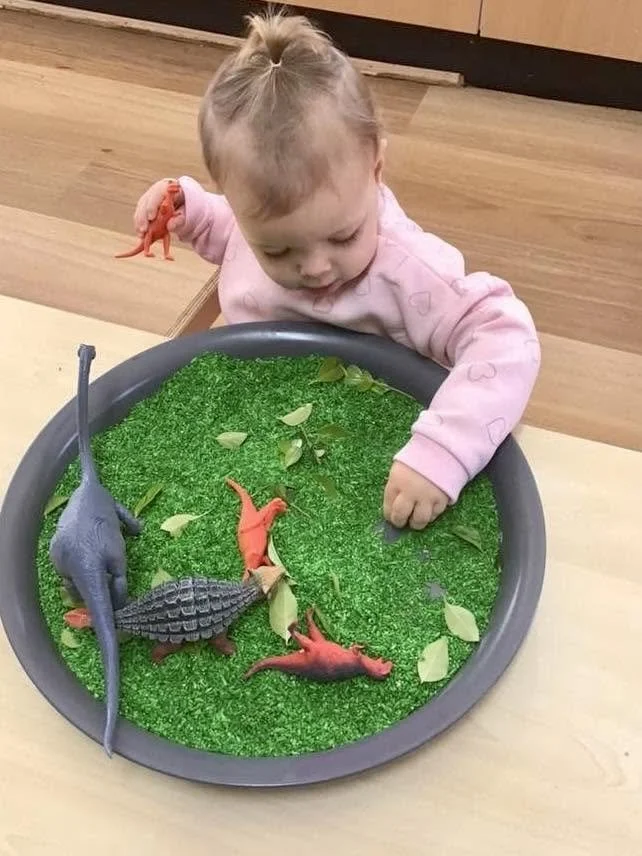
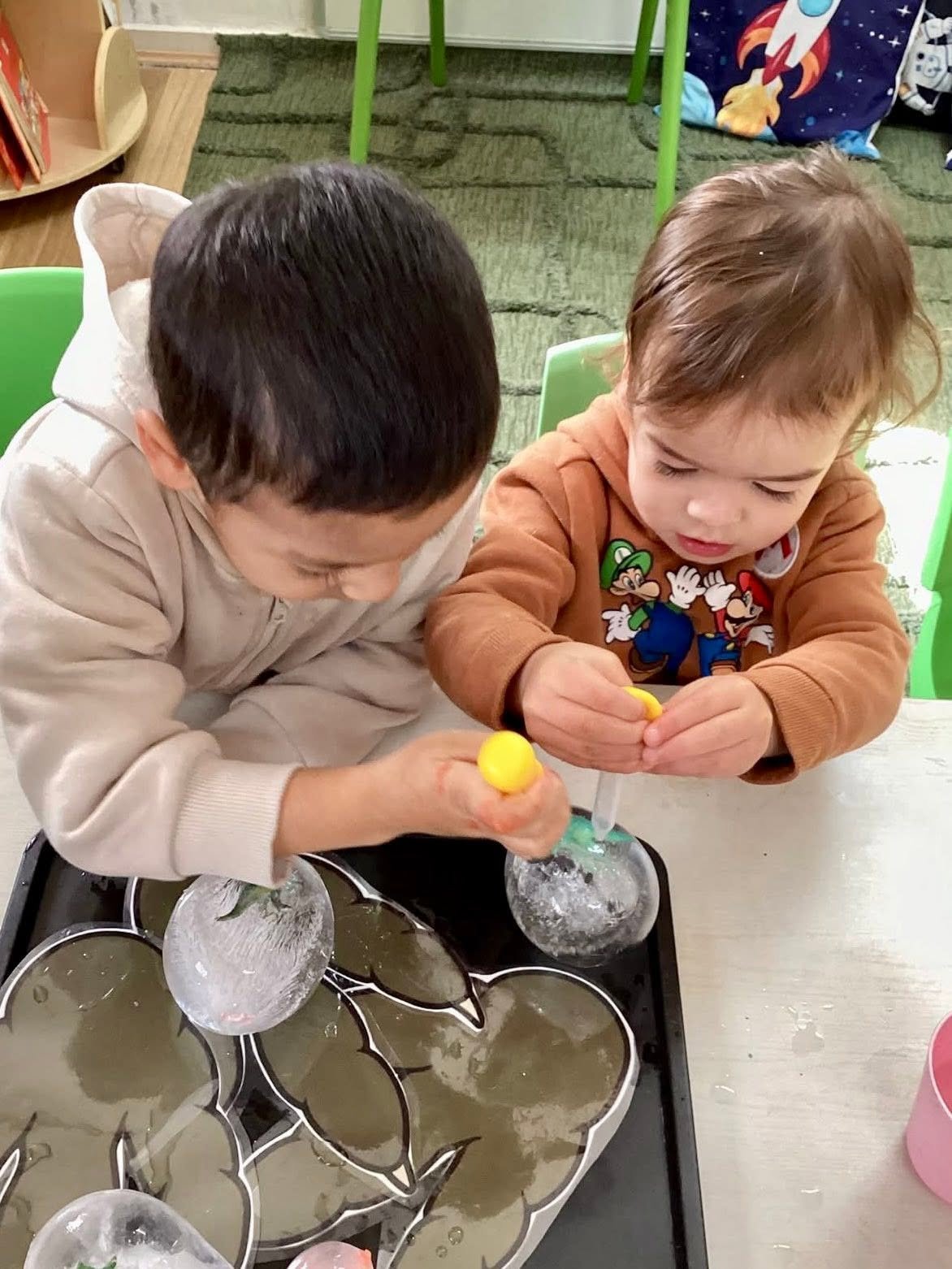
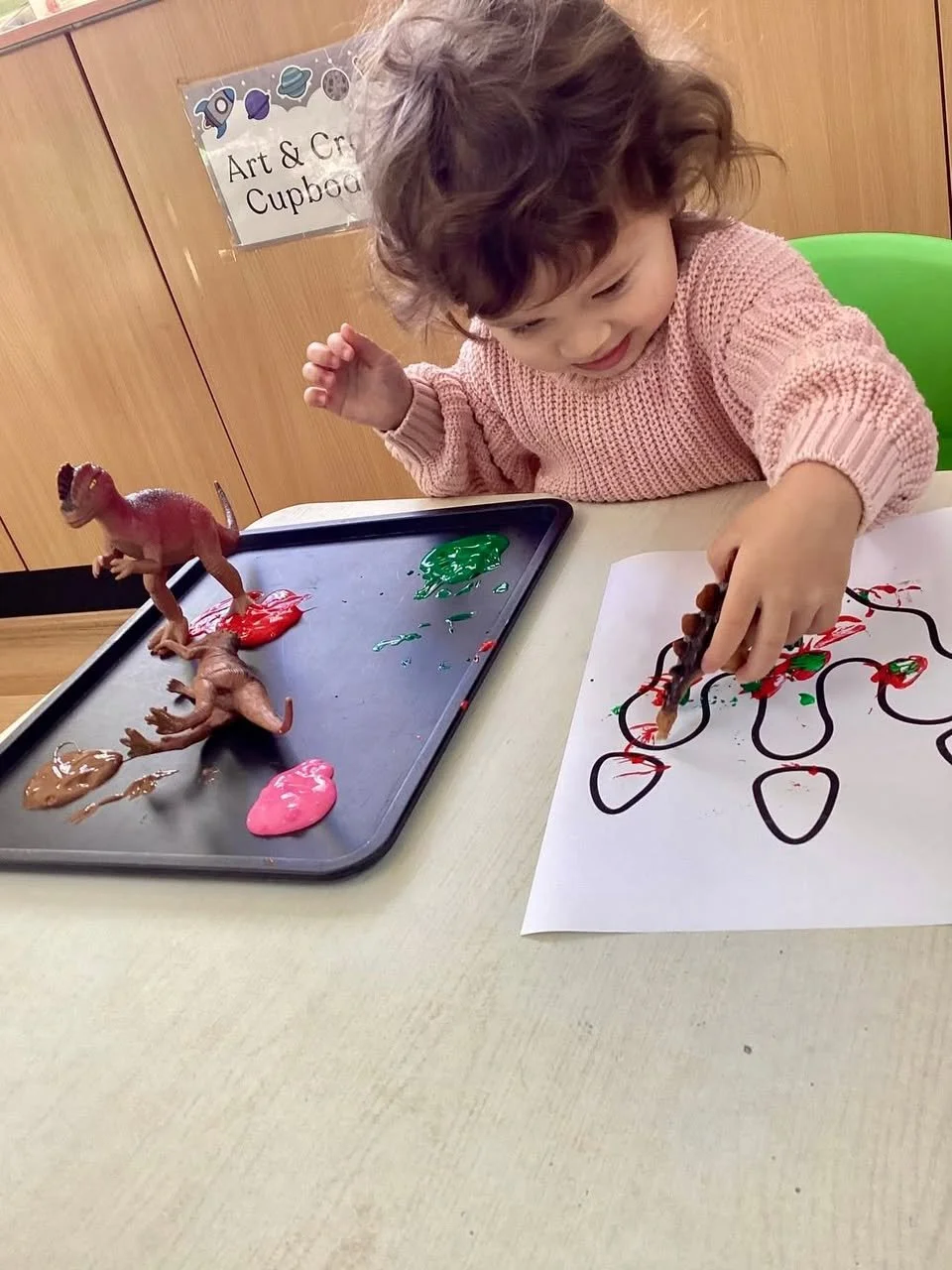
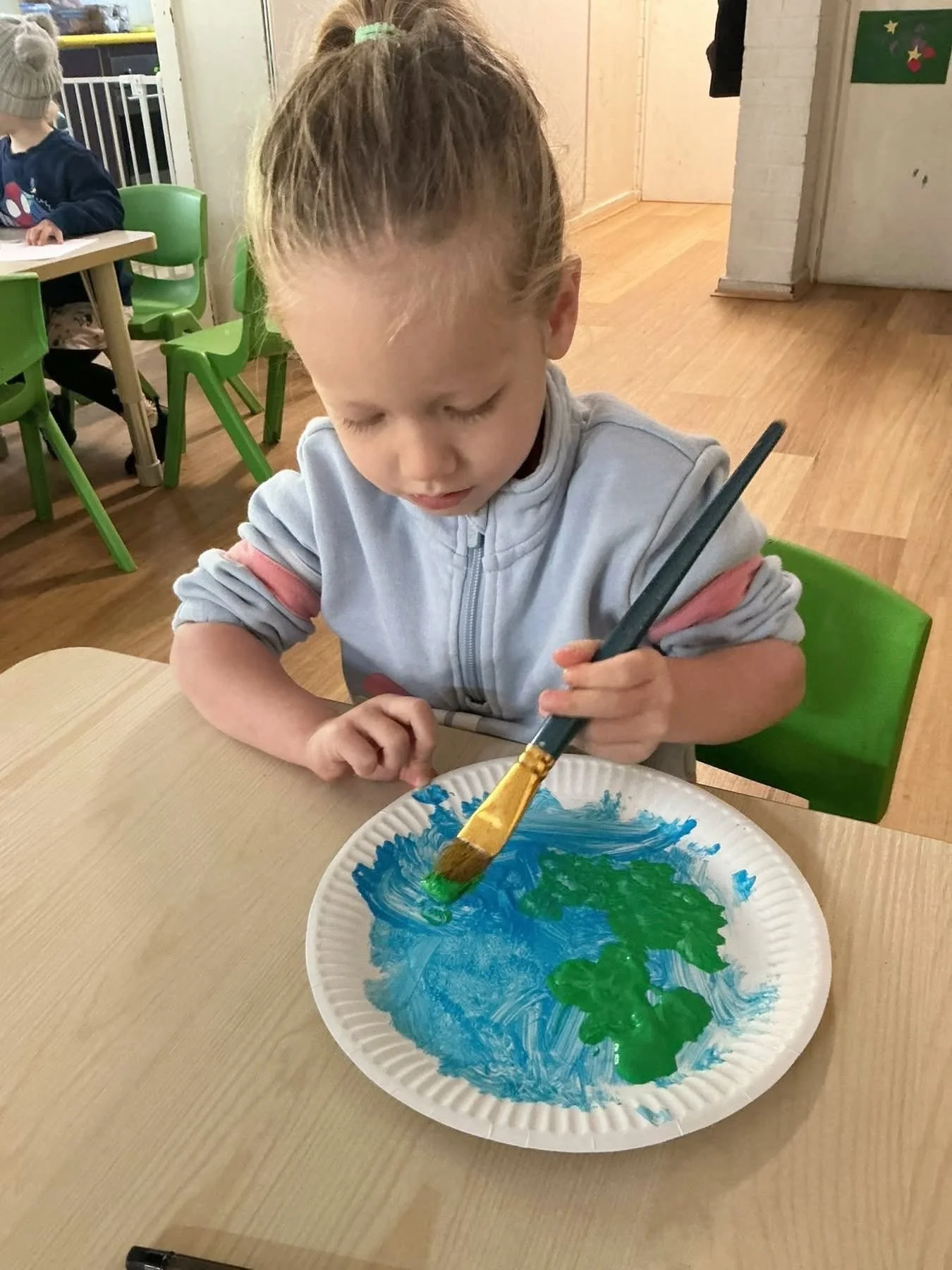
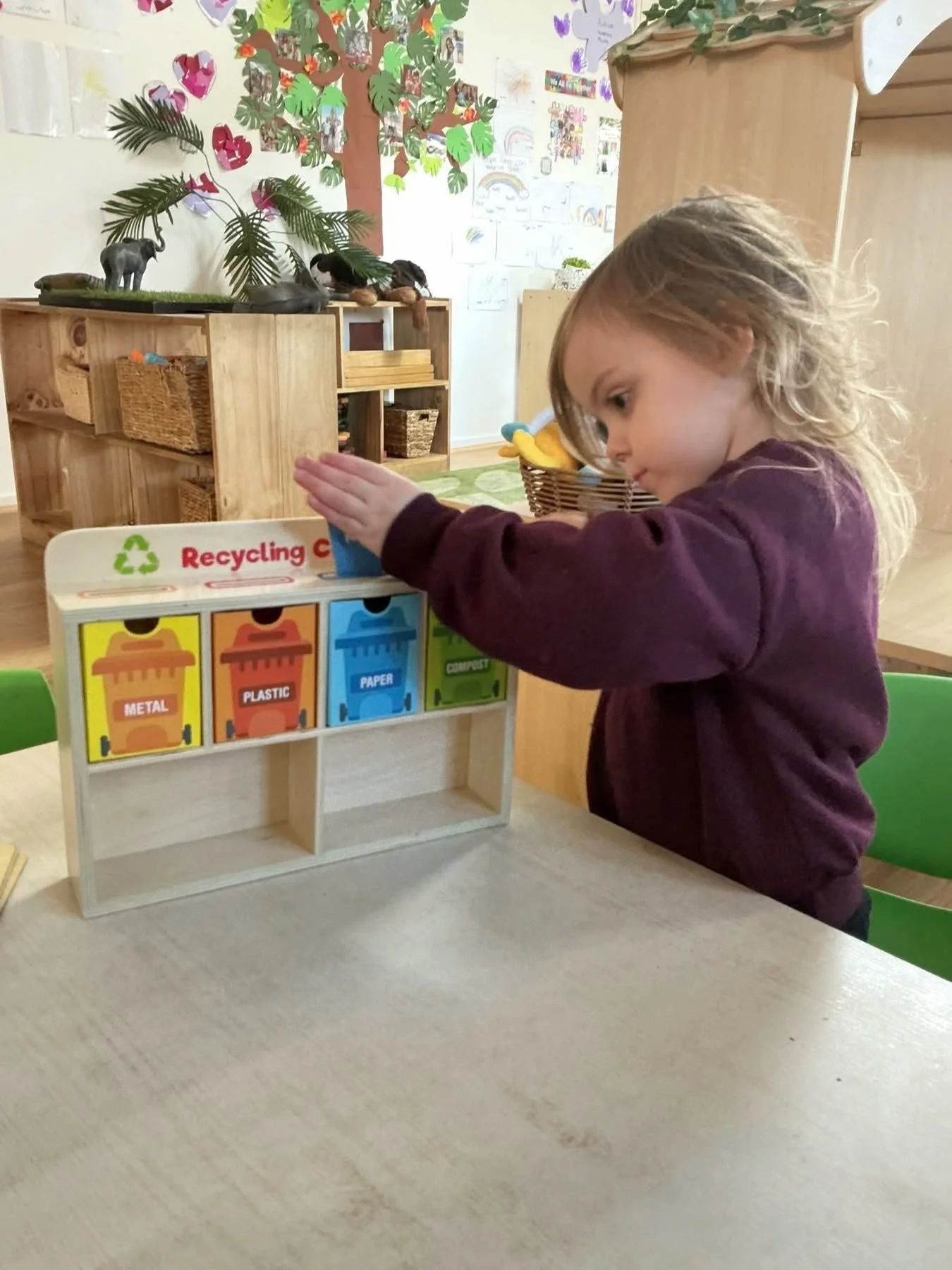
Walk into any Chipmunks Childcare room on a given day and you're likely to find children with their hands deep in a tray of sand, painting with salt, or squishing their fingers through shaving foam dotted with sea creatures. To the casual observer, it might look like simple fun. To early childhood educators, it's something far more important: sensory play, one of the most powerful tools we have for supporting a young child's development.
What Is Sensory Play, and Why Does It Matter?
Sensory play is any activity that stimulates a child's senses — touch, sight, sound, smell, and sometimes taste. For babies and toddlers especially, the world is explored through the senses long before it's explored through words. Every squish, splash, and scribble sends information to a rapidly developing brain, helping to build the neural connections that underpin everything from language to problem-solving.
Early childhood development consistently points to sensory play as a foundation for:
Language development — naming textures, colours, and sensations builds vocabulary
Fine and gross motor skills — pouring, scooping, and squeezing strengthen hand muscles and coordination
Cognitive growth — cause and effect, sorting, and comparing develop early scientific thinking
Emotional regulation — repetitive, tactile activities like sand or water play are naturally calming
Social skills — sharing trays, tools, and discoveries with peers builds early collaboration
What Sensory Play Looks Like in Practice
Across our centres, educators design sensory experiences around themes that capture children's curiosity. An ocean-themed tray filled with blue-tinted water, sand, and miniature sea creatures might double as a chance to talk about sharks and octopuses, while salt or sand painting lets toddlers experiment with colour and texture using just their fingertips. Shaving foam, dyed rice, pom poms, and foam eggs all become tools for colour sorting, hand-eye coordination, and pure tactile joy.
These experiences aren't reserved for quiet indoor moments either. Music and movement with colourful scarves, dance parties with bubbles, and outdoor exploration all bring a sensory element to active play, helping children regulate their energy and emotions while having fun.
Why It's Especially Important for Babies and Toddlers
In our youngest rooms, sensory play is often the primary way children build trust and confidence in their environment. Smaller group sizes allow educators to spend extra one-on-one time supporting babies and toddlers as they explore new textures, helping them feel secure while they take in new sensations. This early sense of safety is just as important to development as the sensory input itself.
Bringing Sensory Play Home
Parents often ask how they can extend this kind of learning beyond the centre. The good news is that sensory play doesn't require special equipment — a tub of dry pasta, a tray of water in the backyard, or even mixing flour and water into "goop" can offer the same developmental benefits. The key is letting children lead the exploration, even if it gets a little messy.
A Foundation for Lifelong Learning
Sensory play might look like simple, joyful mess-making, but it's doing serious developmental work. It builds the sensory pathways, vocabulary, and emotional resilience that children carry with them well beyond their early years.
If you'd like to see how sensory play comes to life across our rooms — from our youngest Tiny Wanderers through to our Preschoolers — we'd love to show you around. Find your nearest Chipmunks Childcare centre to book a tour or ask a question about our programs.