Beyond the Classroom: The Benefits of Outdoor and Nature-Based Play
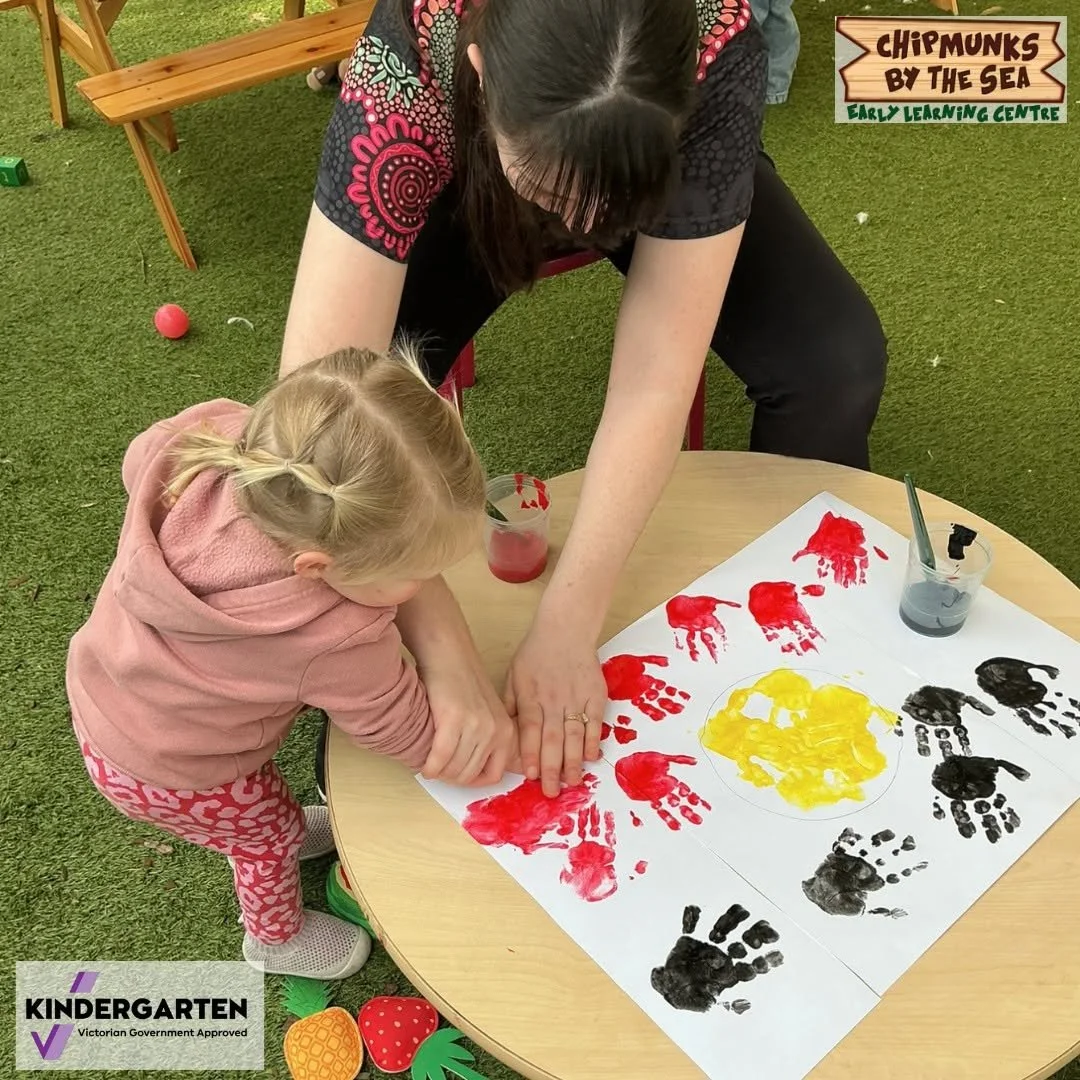
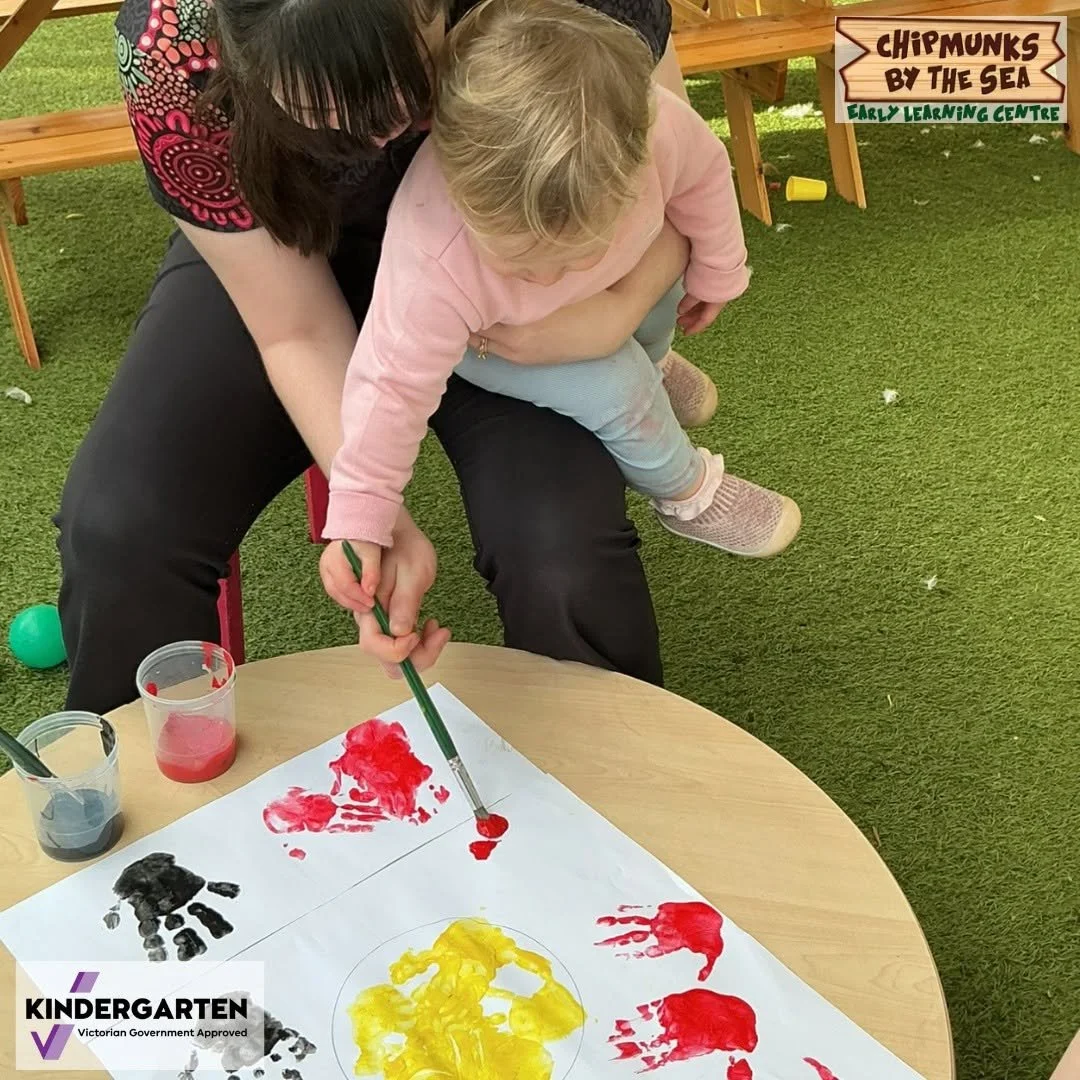
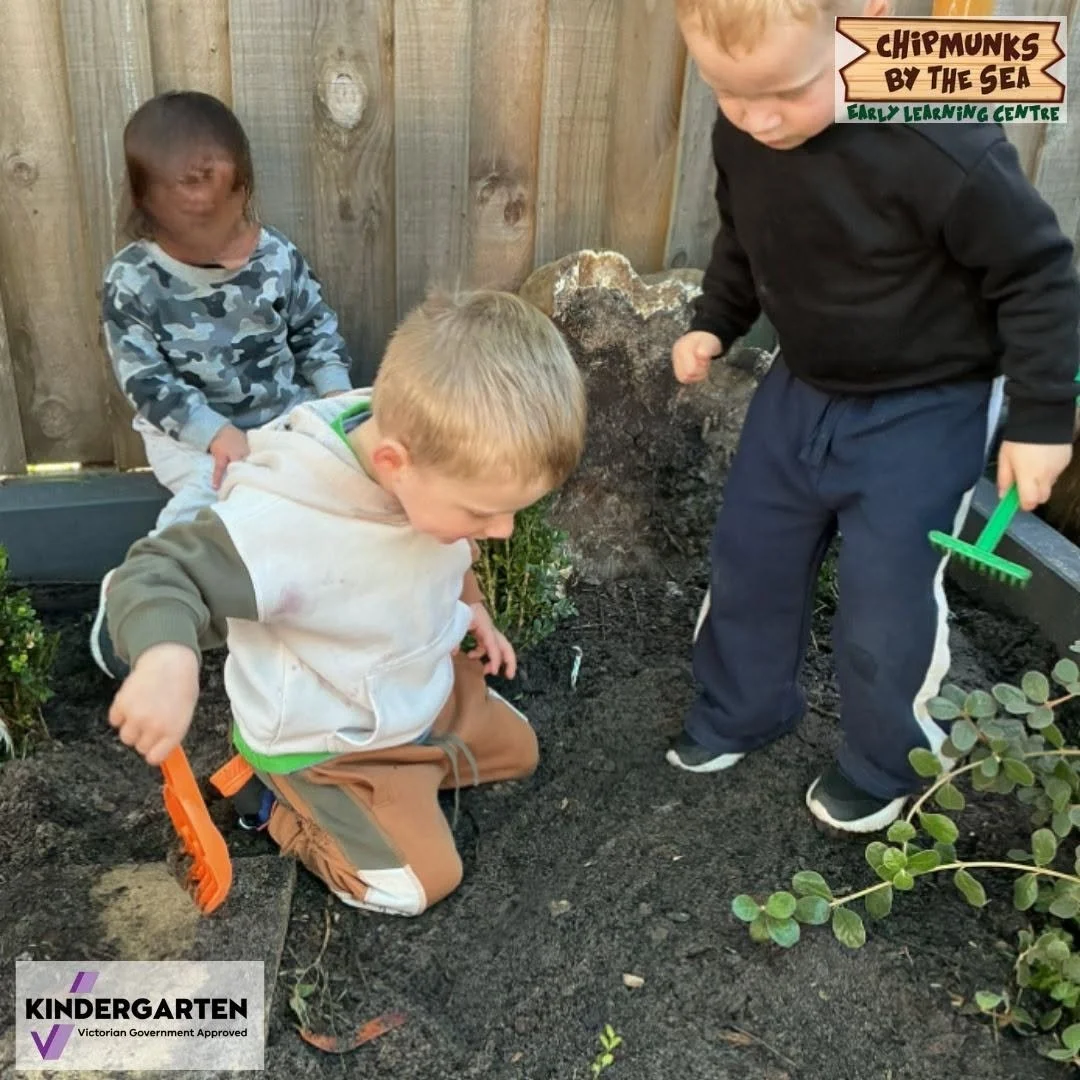
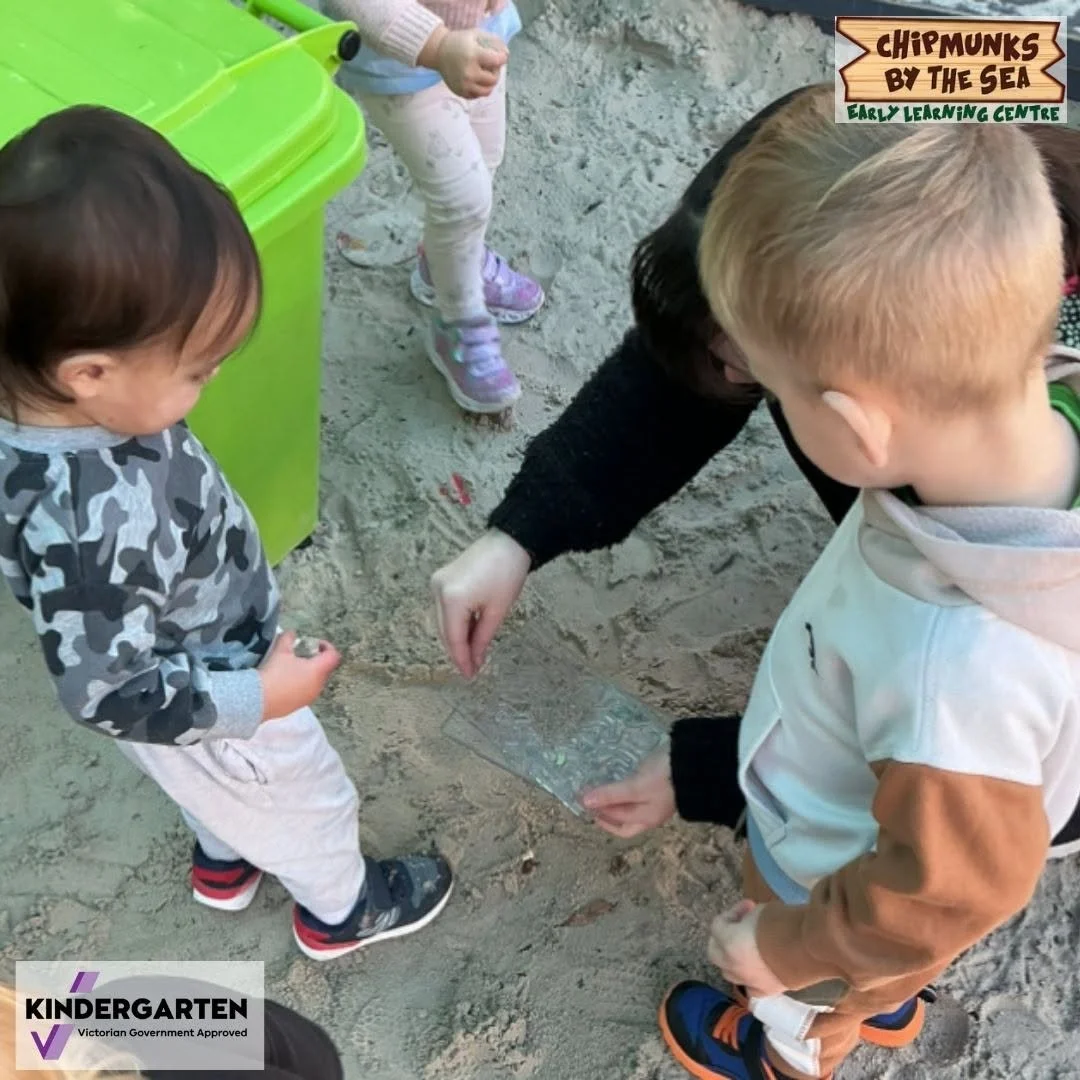
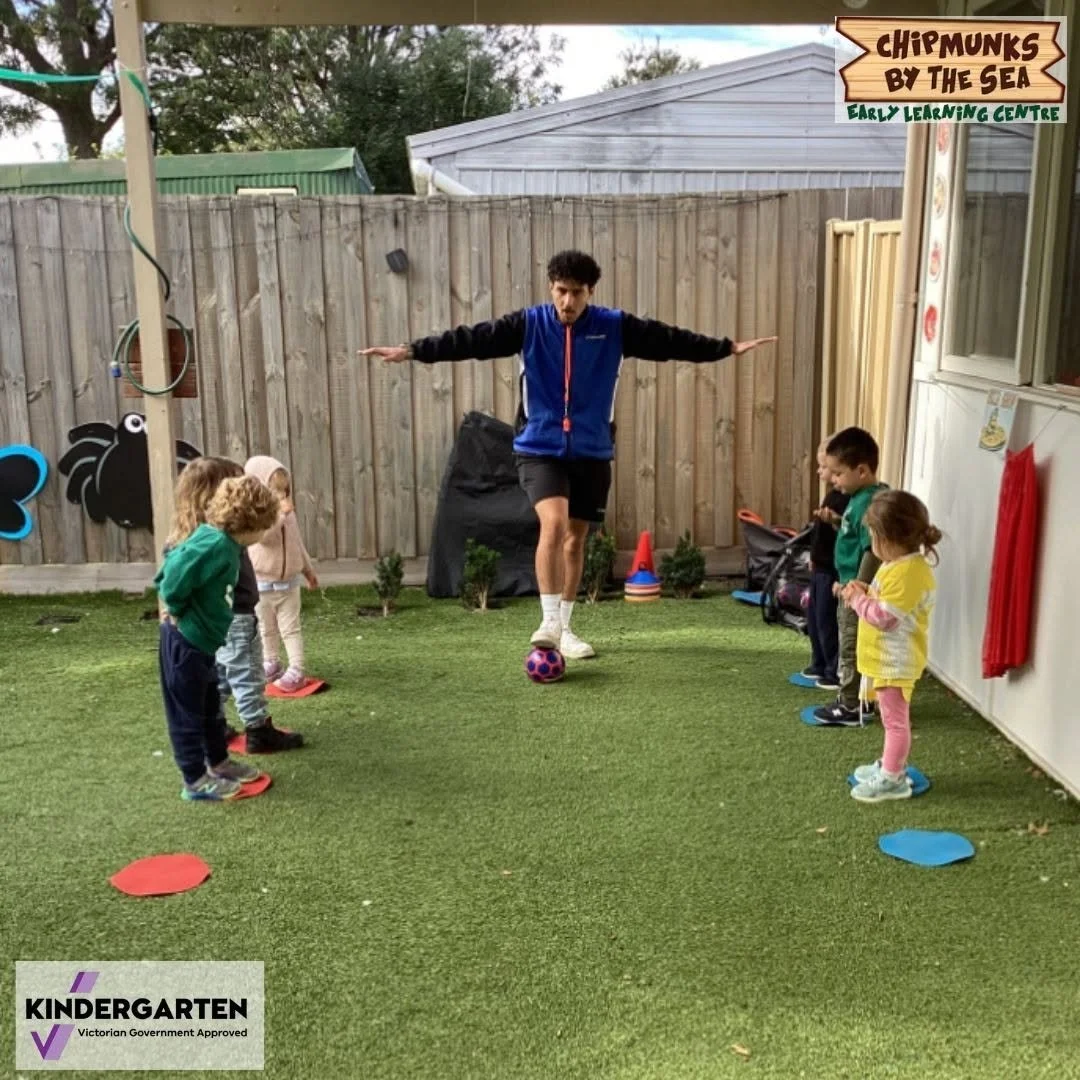
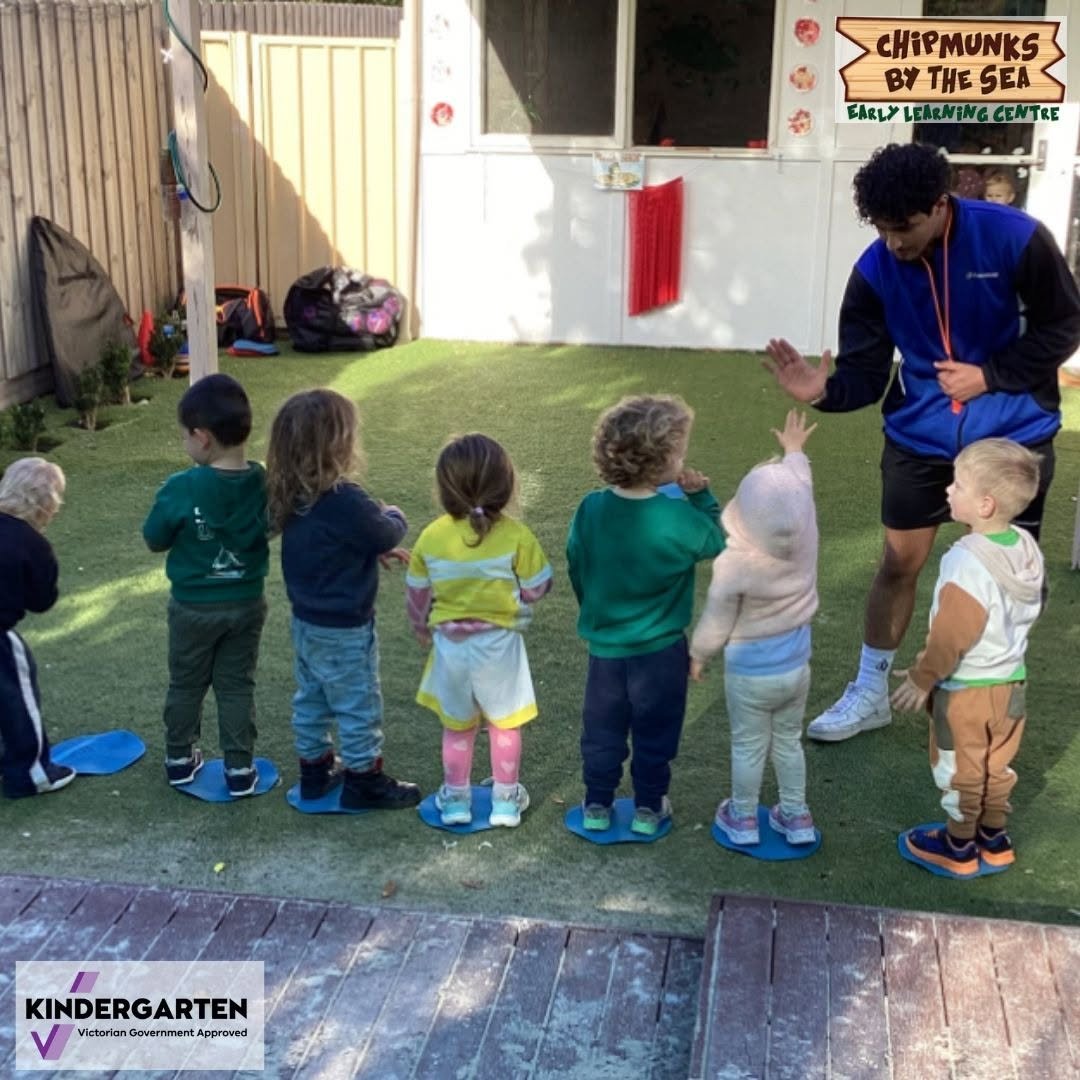
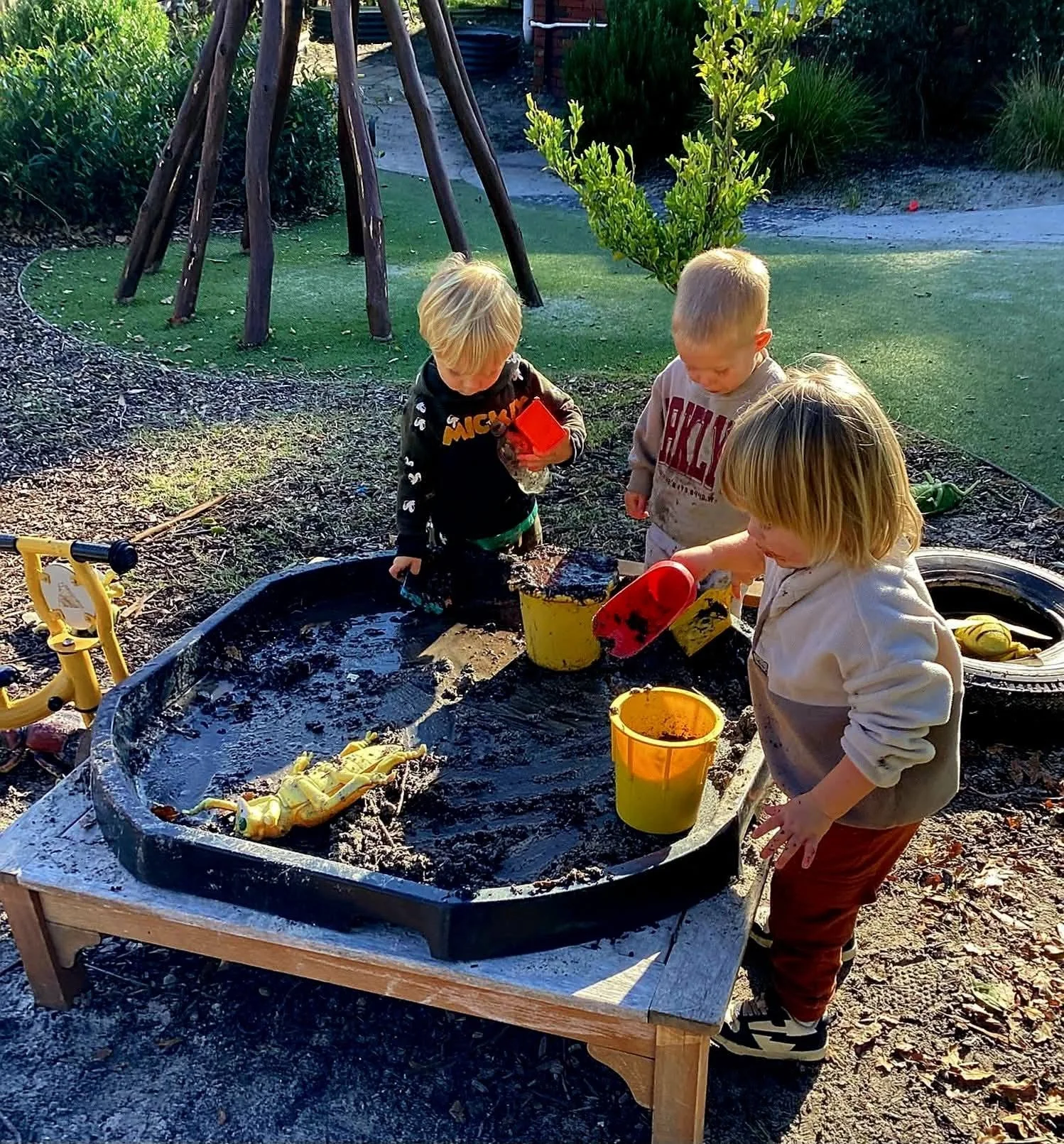
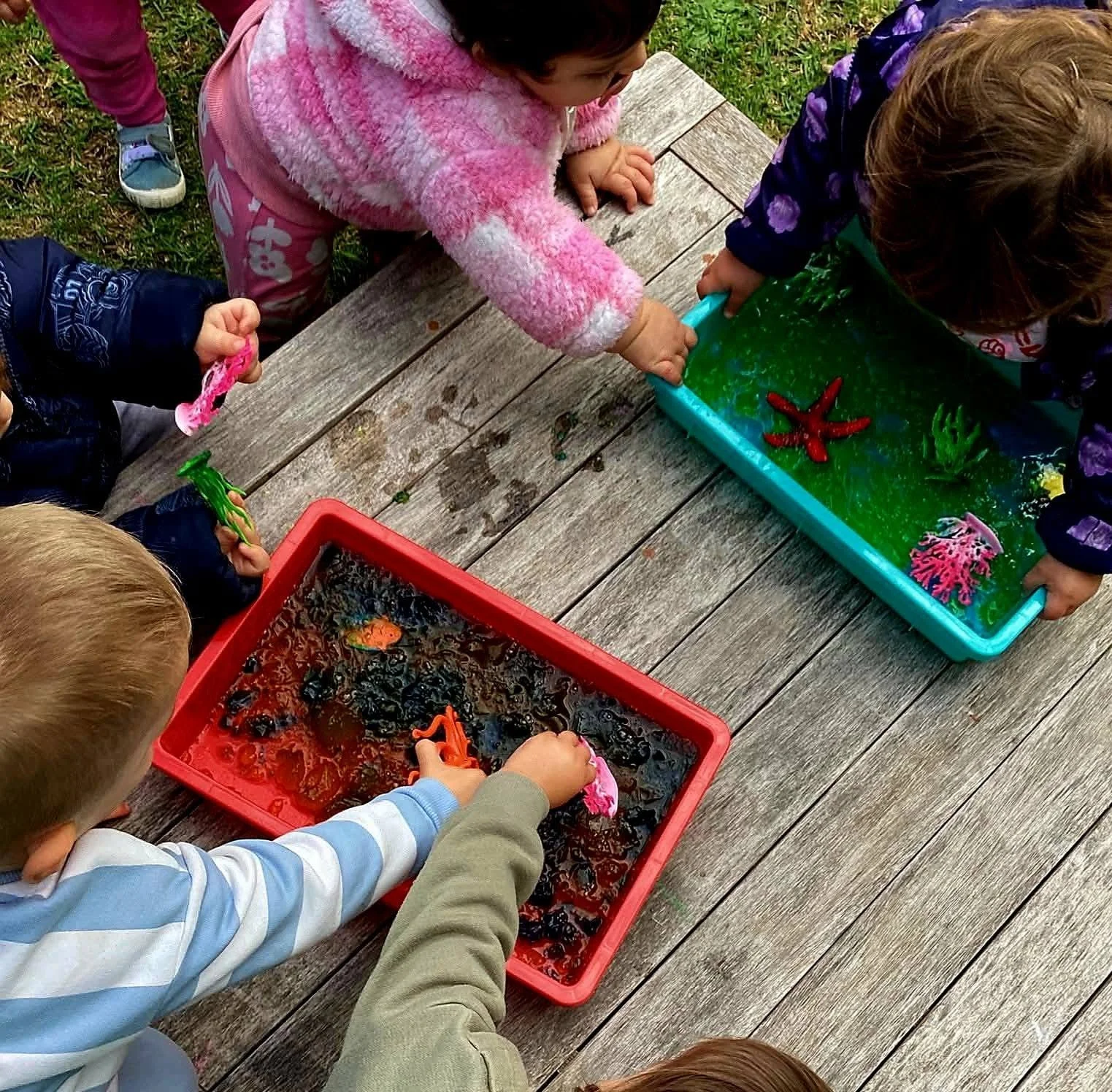
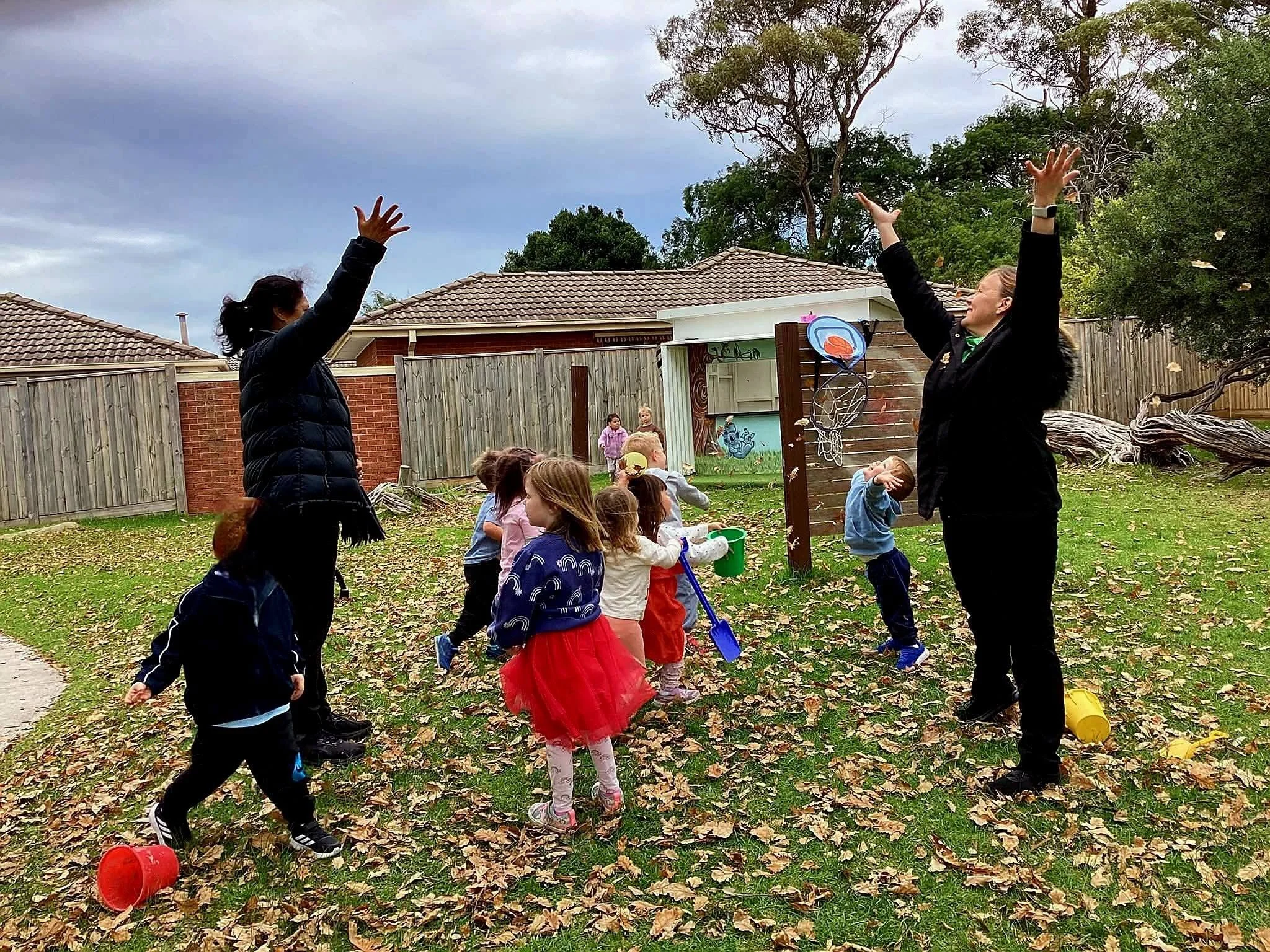
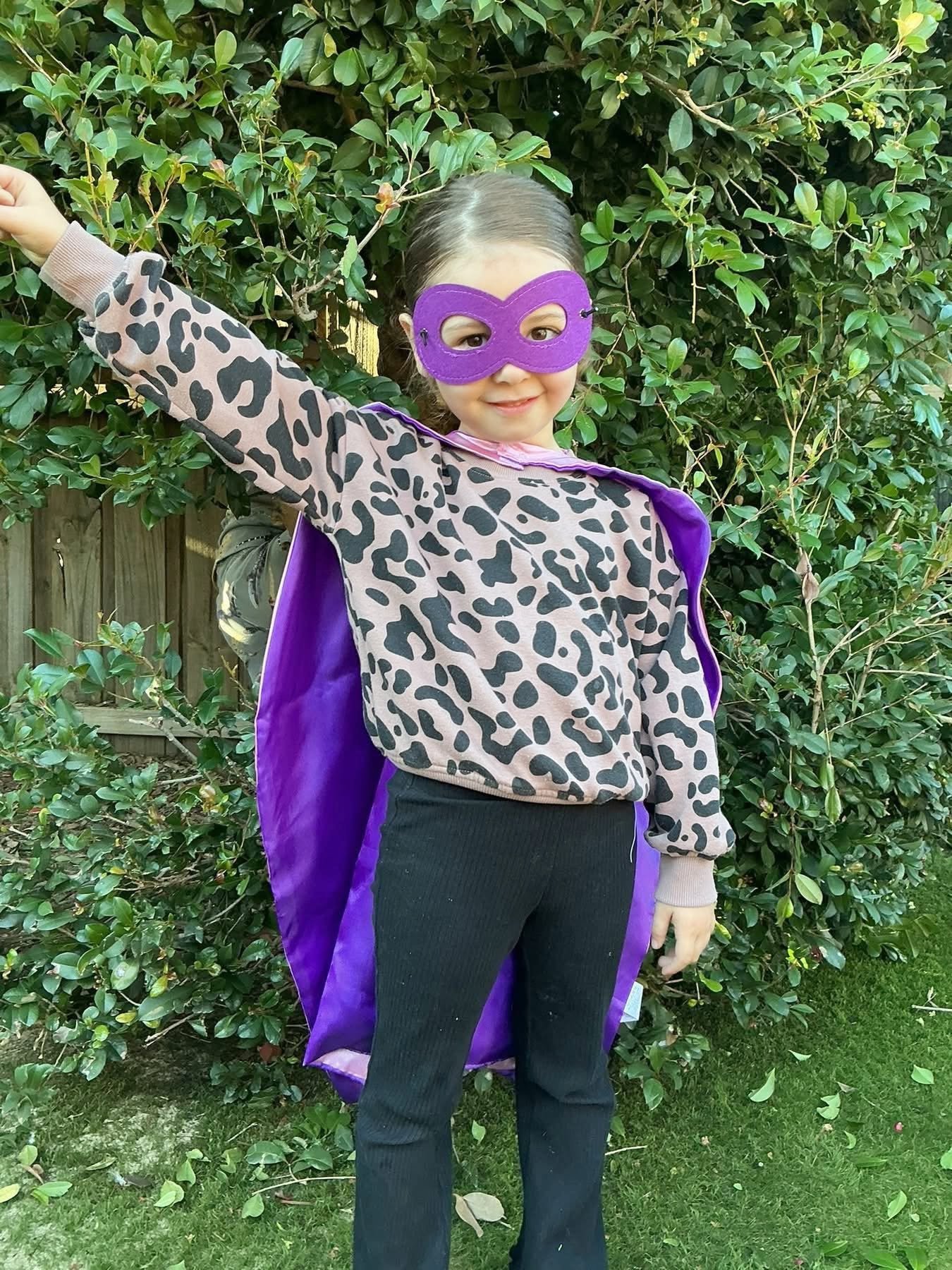
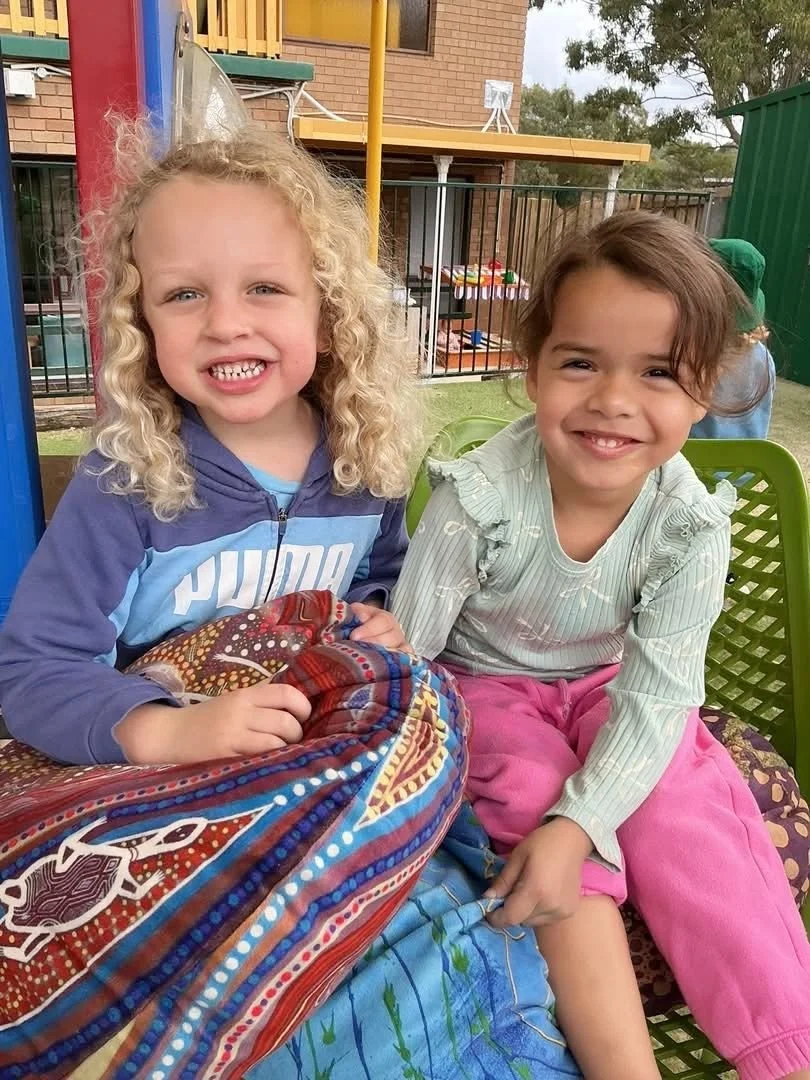
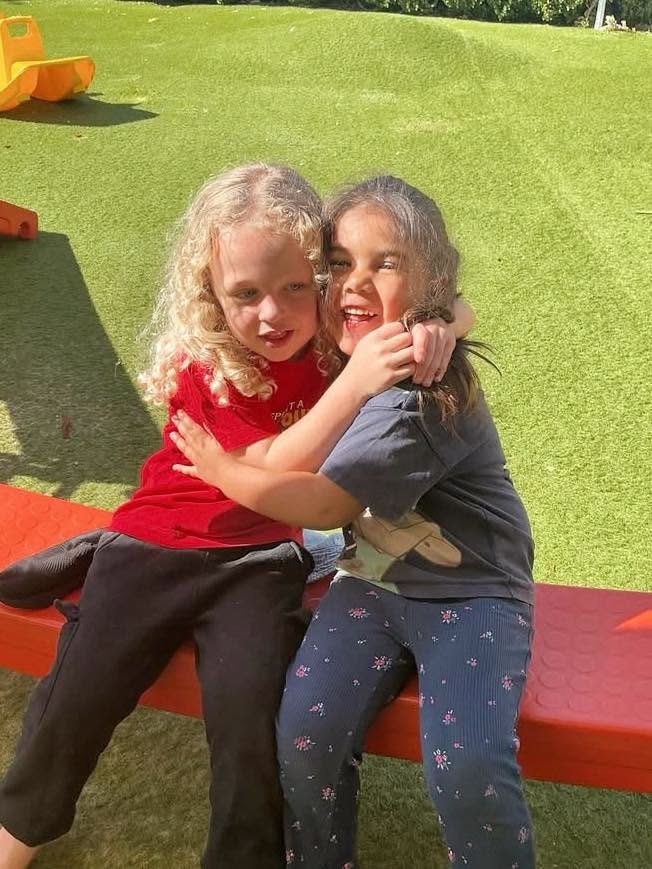
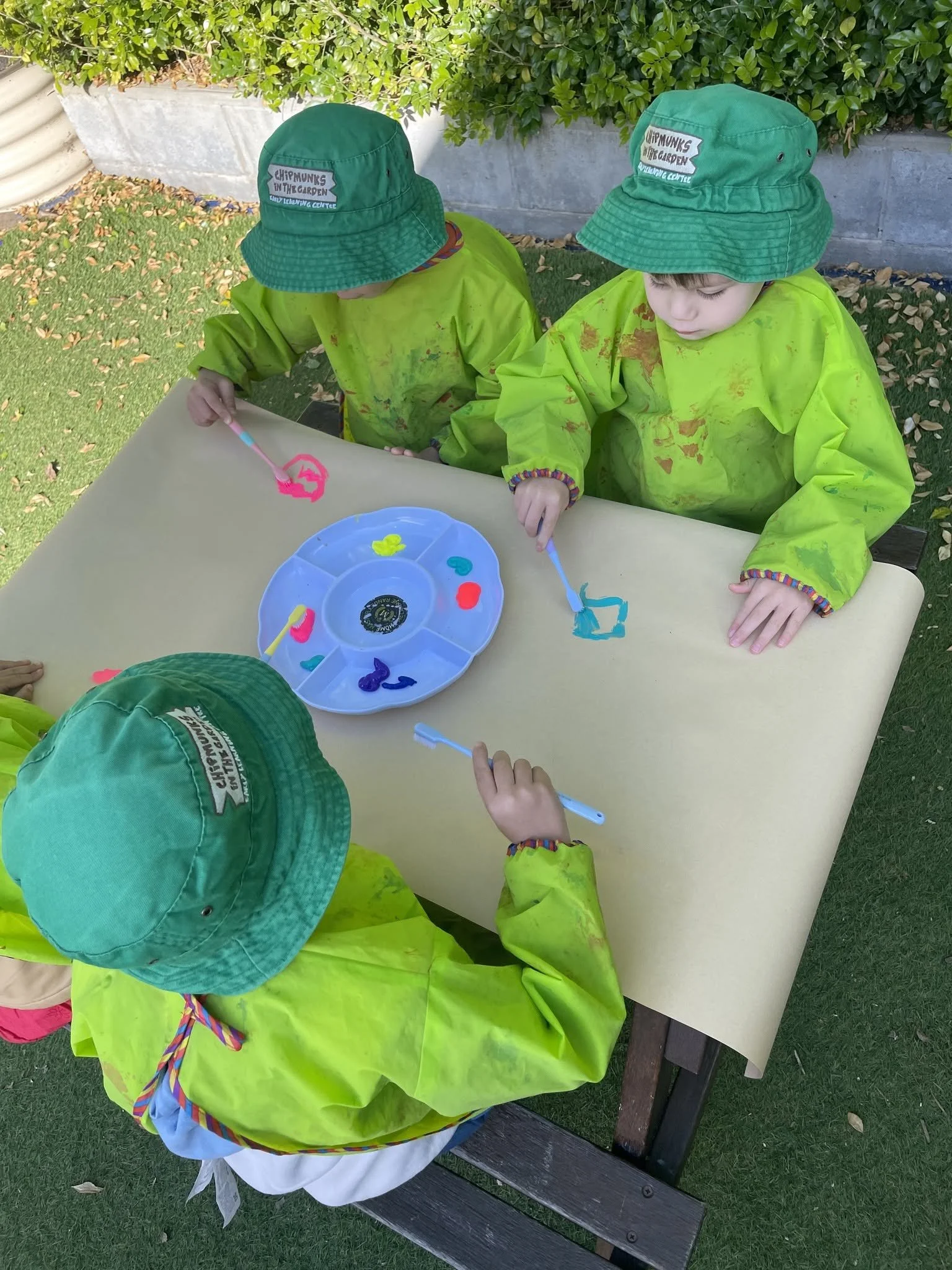
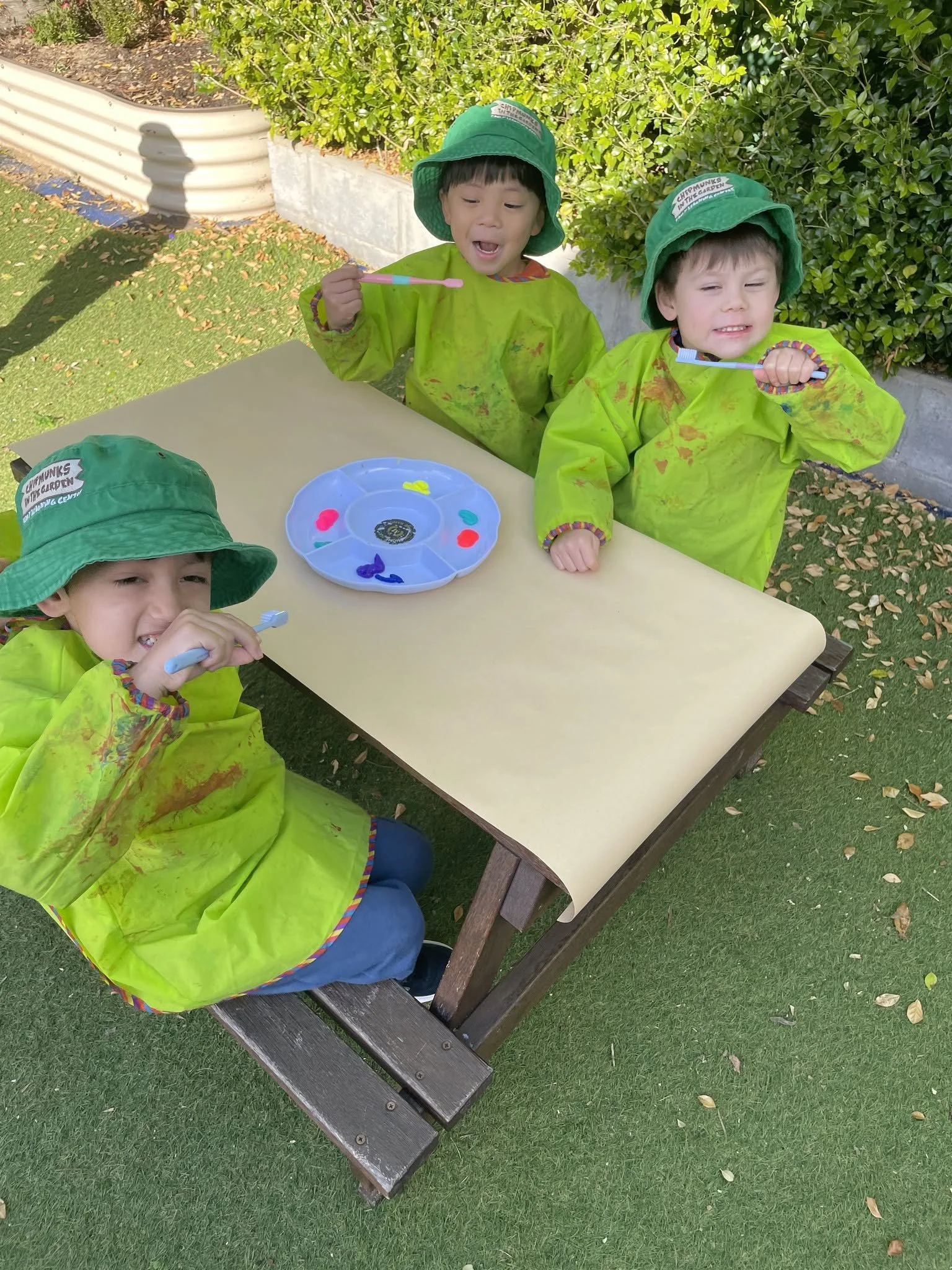
Some of the best learning doesn't happen at a table at all — it happens in the garden, under a tree, or in the middle of a backyard dance party. At Chipmunks Childcare, outdoor and nature-based play is woven into everyday routines, not treated as a break from "real" learning, because that's exactly what it is.
Why Outdoor Play Is So Important
Time outdoors gives children space — literally and figuratively — to move, test their bodies, and engage with the world in ways an indoor room can't replicate. Outdoor environments naturally encourage:
Gross motor development — running, climbing, balancing, and ball games build strength and coordination
Risk assessment and confidence — navigating uneven ground or a basketball hoop helps children learn their own physical limits
Calm and regulation — fresh air and open space have a noticeable settling effect on energetic or overwhelmed children
Connection to the natural world — noticing seasons, weather, plants, and animals builds early environmental awareness
Nature-Based Learning in Action
Across our centres, nature-based experiences take many forms. Toddlers might spend time in the garden using ride-on toys, walkers, and a spinner, building coordination and confidence as they navigate their outdoor environment. Older children take on bigger nature-based projects — building a collage using leaves, sticks, and other materials gathered outdoors, or even taking on the responsibility of helping care for a class pet, learning first-hand what it means to look after a living thing.
Outdoor play isn't limited to sunny days either. With appropriate clothing — something our centres are always happy to chat with families about — puddle jumping, exploring after rain, and rugging up for a winter nature walk all become valuable (and fun) learning experiences in their own right.
Movement, Music, and the Outdoors
Outdoor time is also a chance to combine movement with sensory and creative experiences. A dance party with bubbles and colourful scarves outdoors brings together music, movement, and free play, encouraging children to express themselves physically while building coordination and listening skills. These moments of joyful, unstructured movement are just as developmentally valuable as more structured outdoor games.
Building Independence Through Outdoor Exploration
Outdoor environments are also where children often take their first steps towards independence — choosing what to explore, negotiating turn-taking on equipment with friends, and problem-solving through games and challenges with peers. Educators are there to guide and support, but the open nature of outdoor play allows children's confidence and decision-making to grow in a way that's harder to replicate indoors.
What Parents Can Do at Home
You don't need a big backyard to bring nature-based learning home. A short walk to notice changing leaves, a tray of soil and seeds on a balcony, or simply letting children play in the rain (with the right gear!) all offer the same kind of grounding, confidence-building experiences our educators encourage every day.
Come See Our Outdoor Spaces
Every Chipmunks Childcare centre is designed with outdoor exploration in mind. If you'd like to see our gardens and outdoor learning spaces in person, find your nearest centre to arrange a visit — we'd love to show you around.