
Roar, Hop and Waddle: How Animal Play Helps Children Learn About Their World
Why Children Love Animals
Animals are one of the first things young children become genuinely curious about. They are familiar enough to recognise, different enough to be fascinating, and they open the door to big questions. Where does a koala sleep? What does a wombat eat? Why do birds fly but dogs can't?
That natural curiosity makes animals a powerful starting point for learning across almost every area of development. Even very young children light up when they spot a bird in the garden or hear a dog bark, and those moments are a natural invitation to talk, point, name and wonder together. For older children, animals become a way into counting, comparing sizes, sorting by features and learning about different environments, from the Australian bush to the ocean. The EYLF encourages children to be connected with and contribute to their world, and learning about animals is one of the most accessible ways to begin.
Language growth: Animal names, sounds, habitats and features give children a rich new vocabulary.
Physical development: Moving like different animals builds balance, coordination and gross motor skills.
Imagination: Pretending to be an animal is a gateway into role play and storytelling.
Empathy: Thinking about what an animal needs helps children understand care and responsibility.
Scientific thinking: Comparing, sorting and asking questions about animals is early science.
Wildlife Learning in Action
Animal and wildlife themes have been some of the most popular learning experiences across our centres recently, especially during Wildlife Week and Australian Wildlife Week.
Toddlers created their own animal masks, choosing between lions, tigers and giraffes and decorating them with colourful crayons. Once the masks were ready, they ran around the yard making animal sounds and pretending to be their chosen animal. Children also practised moving like different animals, from jumping like kangaroos to waddling like chickens, and enjoyed guessing animals from their sounds.
Our older preschoolers took a deeper look at native Australian animals. Through conversations, stories, creative experiences and investigations, they discussed where Australian animals live, what they eat and how they survive in different environments. Children shared what they already knew, asked plenty of questions and developed new understandings about the animals and natural places around them.
From Pretend Play to Caring for Creatures
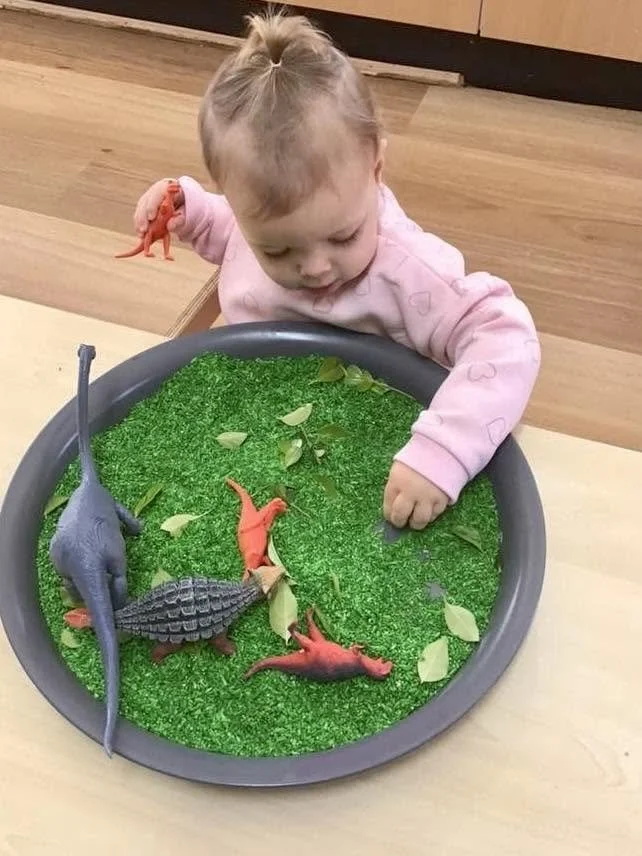
Animal play often turns naturally into imaginative play. Children invent animal families, build homes for toy creatures and act out stories about journeys through the bush. In one room, children made paper plate spiders complete with eight googly eyes and pipe cleaner legs, which quickly became characters in their own games.
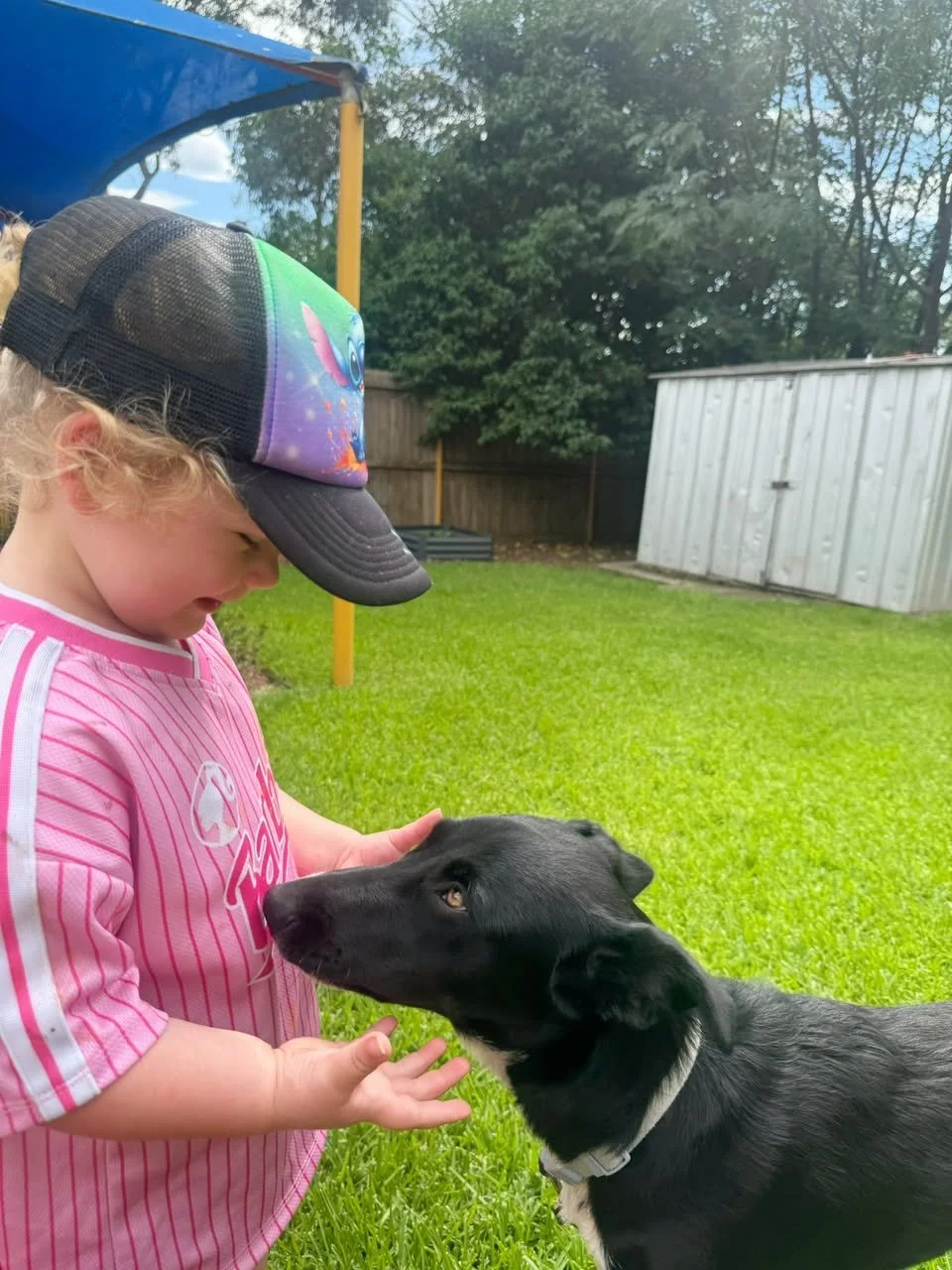
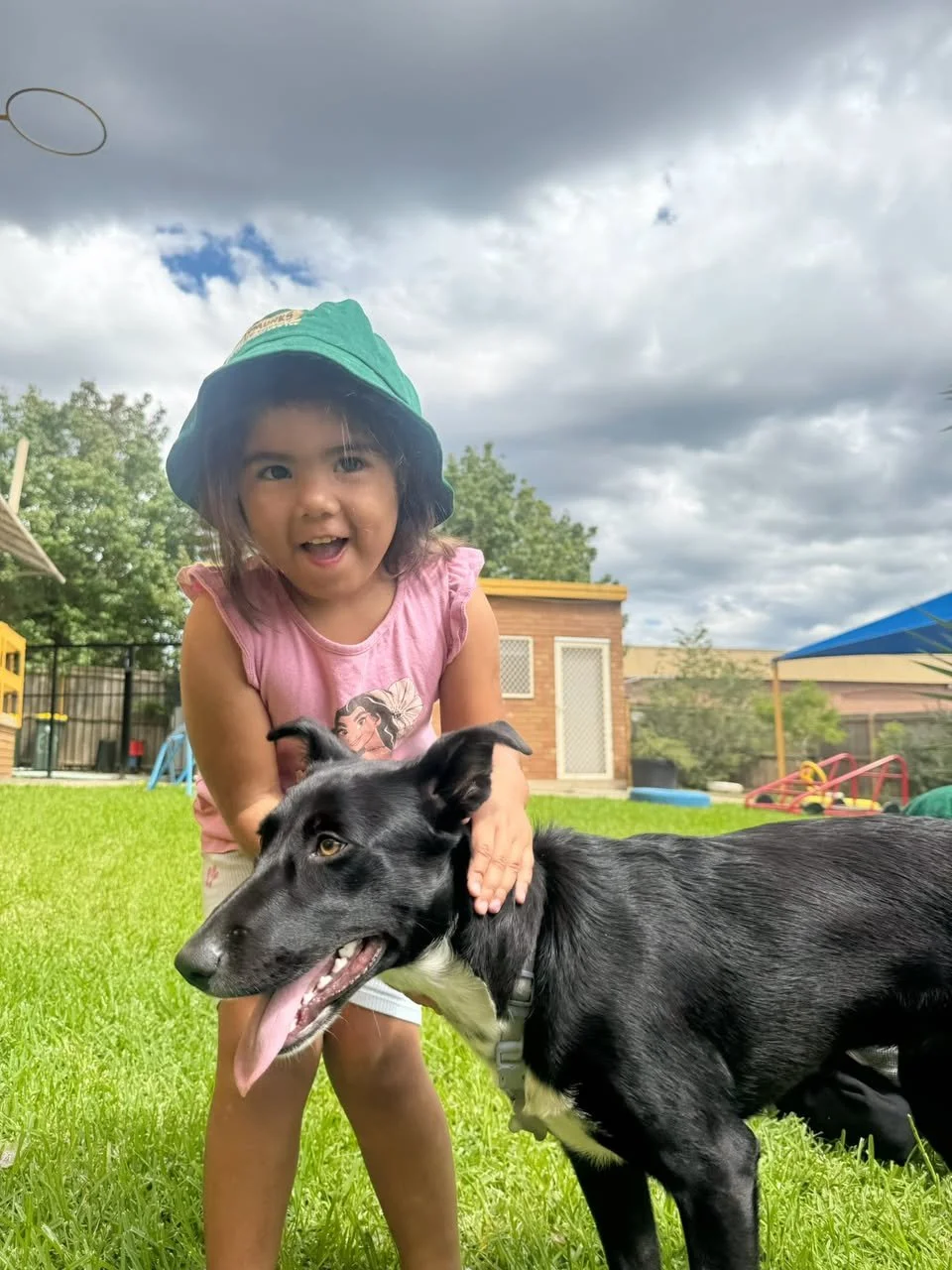
Just as importantly, learning about animals helps children understand that other living things have needs too. When children talk about what an animal eats or where it sleeps, they are building early empathy and a sense of responsibility for the world around them. Visits from friendly animals, such as a well-behaved therapy dog, can make this learning even more real.
Animal themes also connect beautifully with art, music and stories. Children sing animal songs, paint animal patterns, read picture books about creatures from around the world and build habitats with blocks and natural materials. Because the theme stretches across so many types of play, children with very different interests can all find their own way into it, whether they love drawing, building, running or storytelling.
Exploring Animals Together at Home
You can keep the animal curiosity going with simple, everyday ideas.
Play "guess the animal" by making sounds or moving like an animal for your child to guess.
Visit a local park or wetland and look for birds, insects and lizards.
Borrow picture books about Australian animals from your local library.
Make simple animal masks from paper plates and let your child act out a story.
Talk about how to care for pets or the wildlife in your own backyard.
Curious Minds, Caring Hearts
Animal play does more than entertain. It builds language, movement, imagination and a genuine care for living things. To see how our children explore the world around them, book a tour at your nearest Chipmunks Childcare centre.
