
Squish, Splash and Smell the Flowers: Why Sensory Play Matters
The Science of Squish
Young children learn about the world through their senses long before they can learn about it through words. Touching, smelling, hearing, seeing and tasting give them the raw information they need to understand how things work. Sensory play simply gives that natural curiosity a rich place to happen.
It is also wonderfully open-ended. There is no right or wrong way to explore a tub of sand or a tray of flowers, which means every child can join in at their own level. A baby might simply enjoy the feeling of cool water on their hands, while a toddler starts pouring it from cup to cup and a preschooler tests which objects sink and which float. The same activity grows with the child, and each one takes away something different.
Educators play an important role here too, offering new words, asking open questions like "what do you notice?" and adding new materials to keep the curiosity going.
Brain development: Rich sensory experiences help build the connections young brains use for thinking and problem-solving.
Fine motor skills: Squeezing, scooping, pouring and pinching strengthen the small muscles children later use for drawing and writing.
Language: Sensory play is full of describing words like squishy, cold, sticky, smooth and bumpy.
Calm and focus: Many children find repetitive sensory play soothing, which helps them settle and concentrate.
Curiosity: Asking "what happens if...?" is the very beginning of scientific thinking.
Sensory Play in Our Rooms
Sensory experiences are a regular part of the week in our baby and toddler rooms, and they often grow out of what is happening in the world around us.
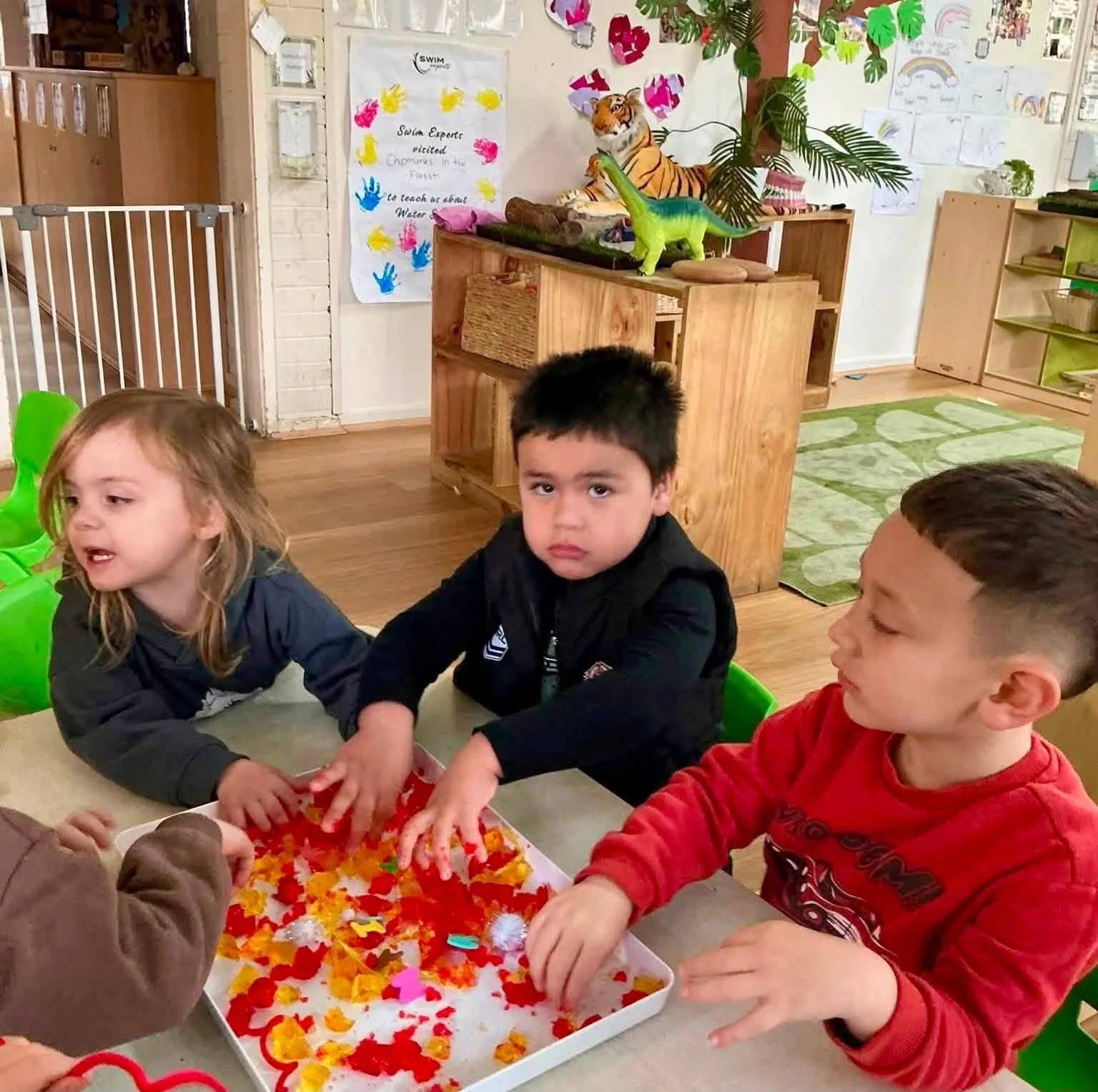
Mess-free jelly bags have been a favourite, letting even the youngest children squish and manipulate jelly without the clean-up. Dinosaur rescues from jelly moulds combine sensory exploration with fine motor practice, as children use tweezers, tongs and toy tools to dig their dinosaurs free. Colour mixing has been popular too, with toddlers painting their hands different colours, rubbing them together to see what happens, and stamping their prints onto paper.
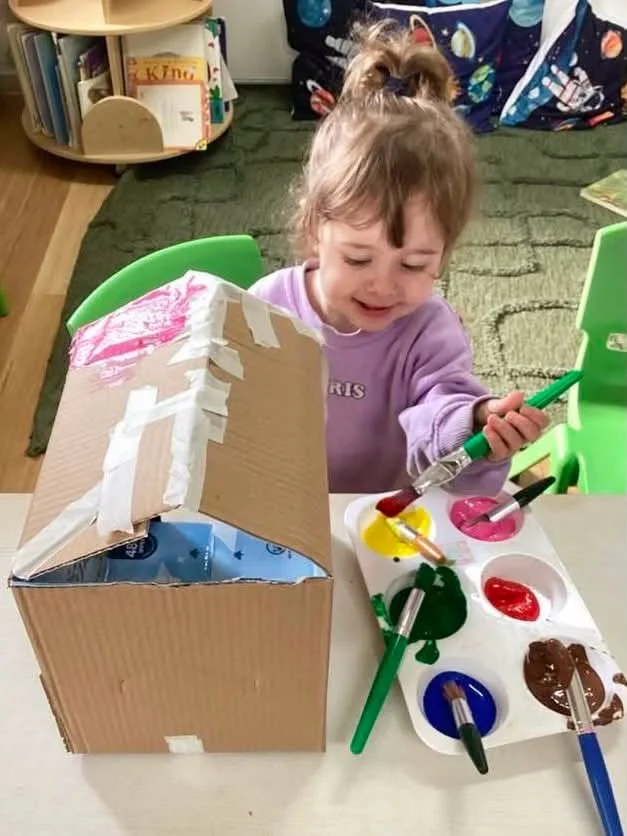
When spring arrived, many of our rooms brought the season indoors. Children explored real flowers, leaves and natural materials, noticing the colours, textures and smells of the new season. Some groups painted with natural resources to create their own unique artwork, while others simply enjoyed the feel of grass, bark and petals under their fingers.
More Than Just Mess
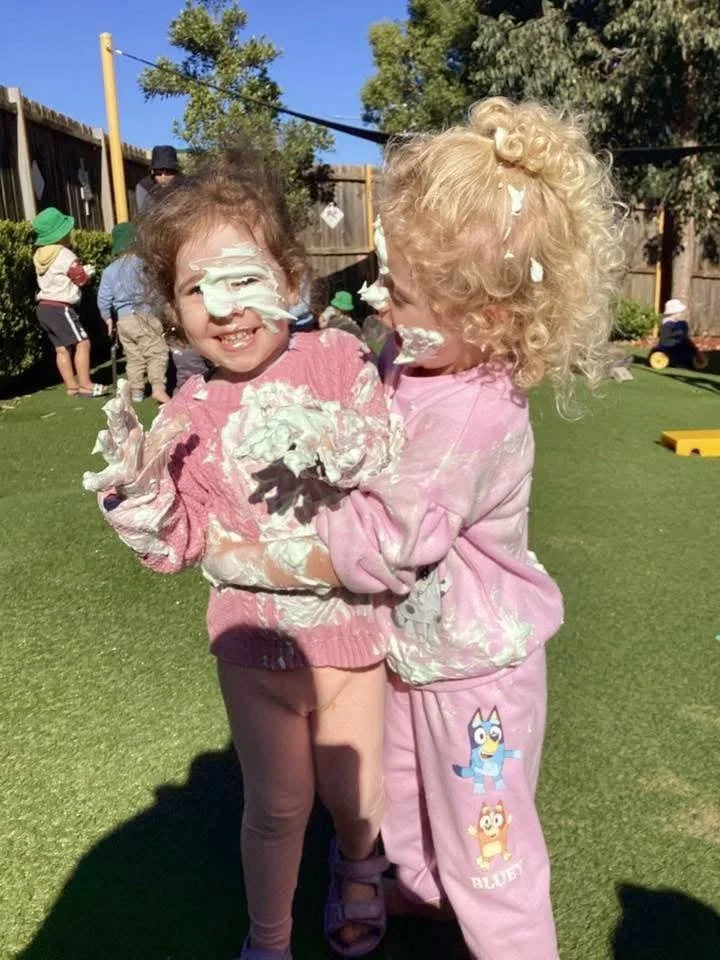
Sensory play is often seen as an activity for babies, but it supports social learning at every age. When children gather around a sensory tub, they naturally start sharing tools, watching each other and copying new ideas. Older children take it further, narrating what they are doing, making predictions and inventing games together.
Outdoor play adds another layer. Sandpits with trucks and buckets, bubbles drifting around the yard and the simple joy of a shady spot under a tree all give children a full-body sensory experience that no indoor activity can quite match.
Mealtimes are a sensory experience as well. When children serve themselves, pour their own water and try new foods, they are exploring textures, smells and tastes while practising independence. Even making playdough together, measuring, mixing and kneading the ingredients, turns into a rich sensory lesson that also builds the ability to follow steps and work as a team.
Easy Sensory Ideas for Home
Sensory play at home does not need to be elaborate or expensive. Try one of these on a quiet afternoon.
Fill a zip-lock bag with hair gel or jelly and a few drops of food colouring, then seal and tape it to the table.
Freeze small toys in ice and let your child free them with warm water and a spoon.
Go on a nature walk and collect leaves, flowers and sticks to sort by colour or size.
Set up a "washing station" with warm soapy water and plastic toys.
Let your child help you knead playdough or bread dough.
Learning Through Little Hands
Sensory play may look simple, but it is laying the groundwork for language, fine motor skills, focus and a lifelong love of discovery. To see sensory learning in action and meet our team, book a tour at your nearest Chipmunks Childcare centre.
