What a Baby Sees in a Light Box: Sensory Play and the Developing Brain
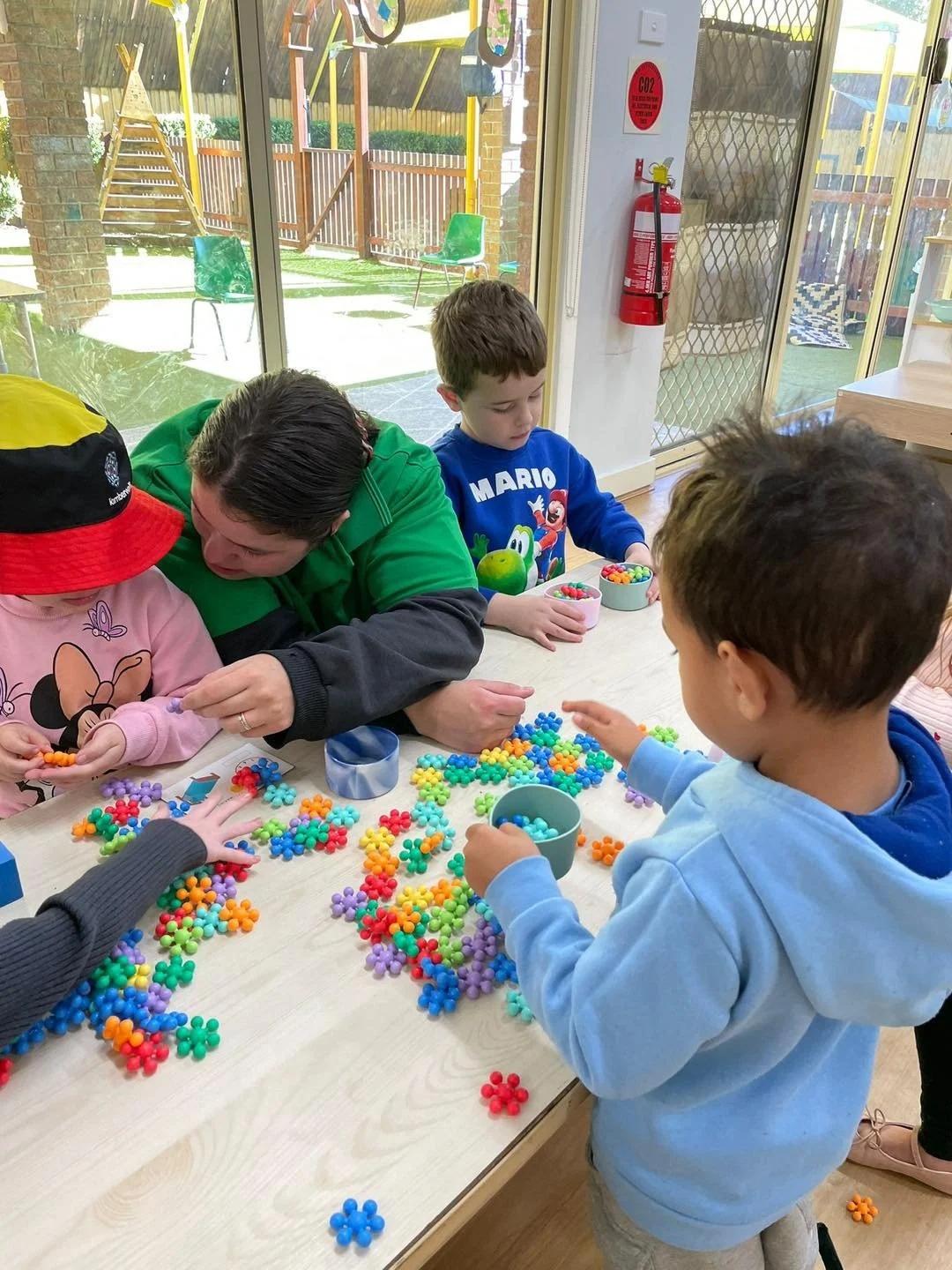
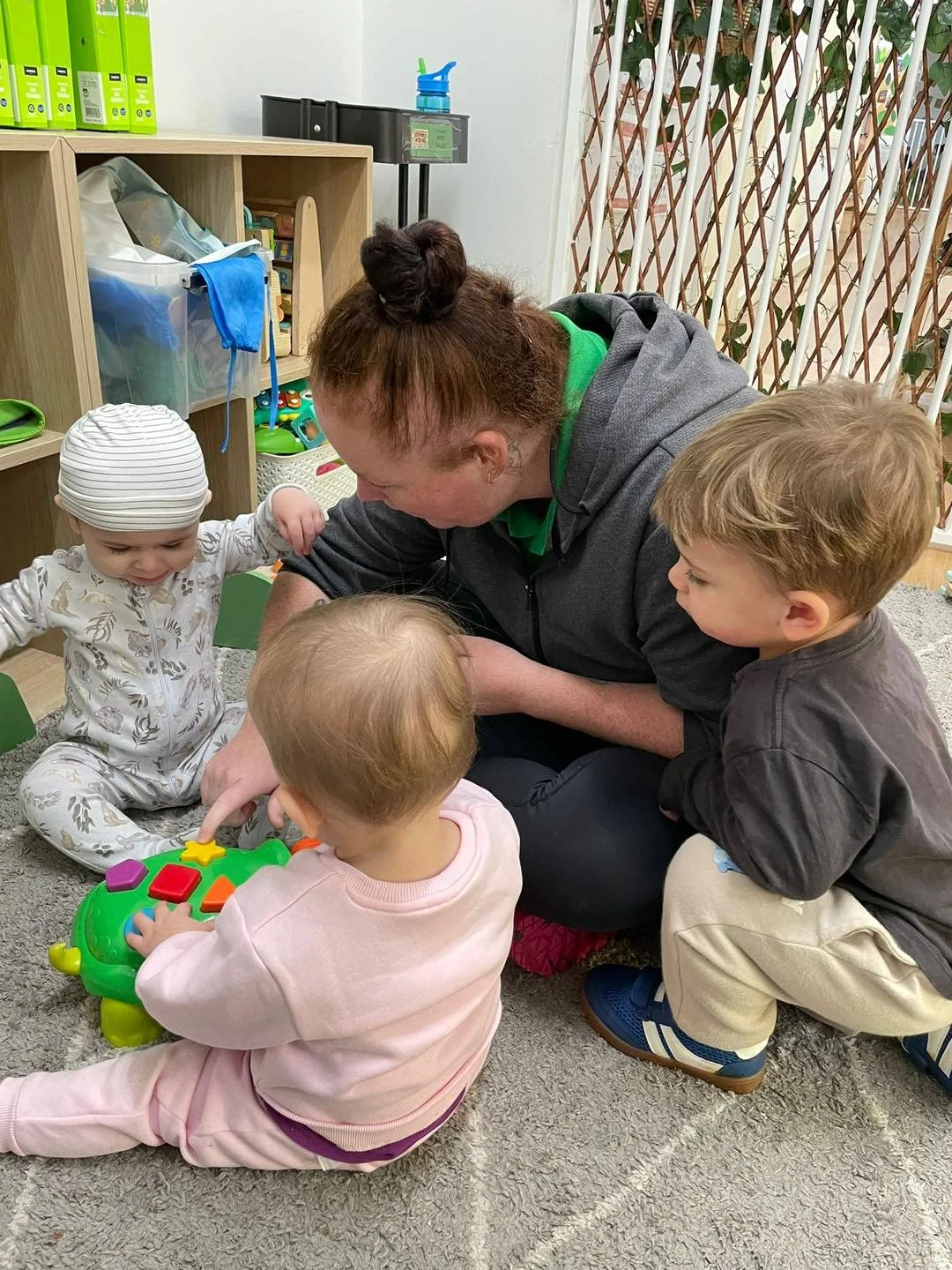
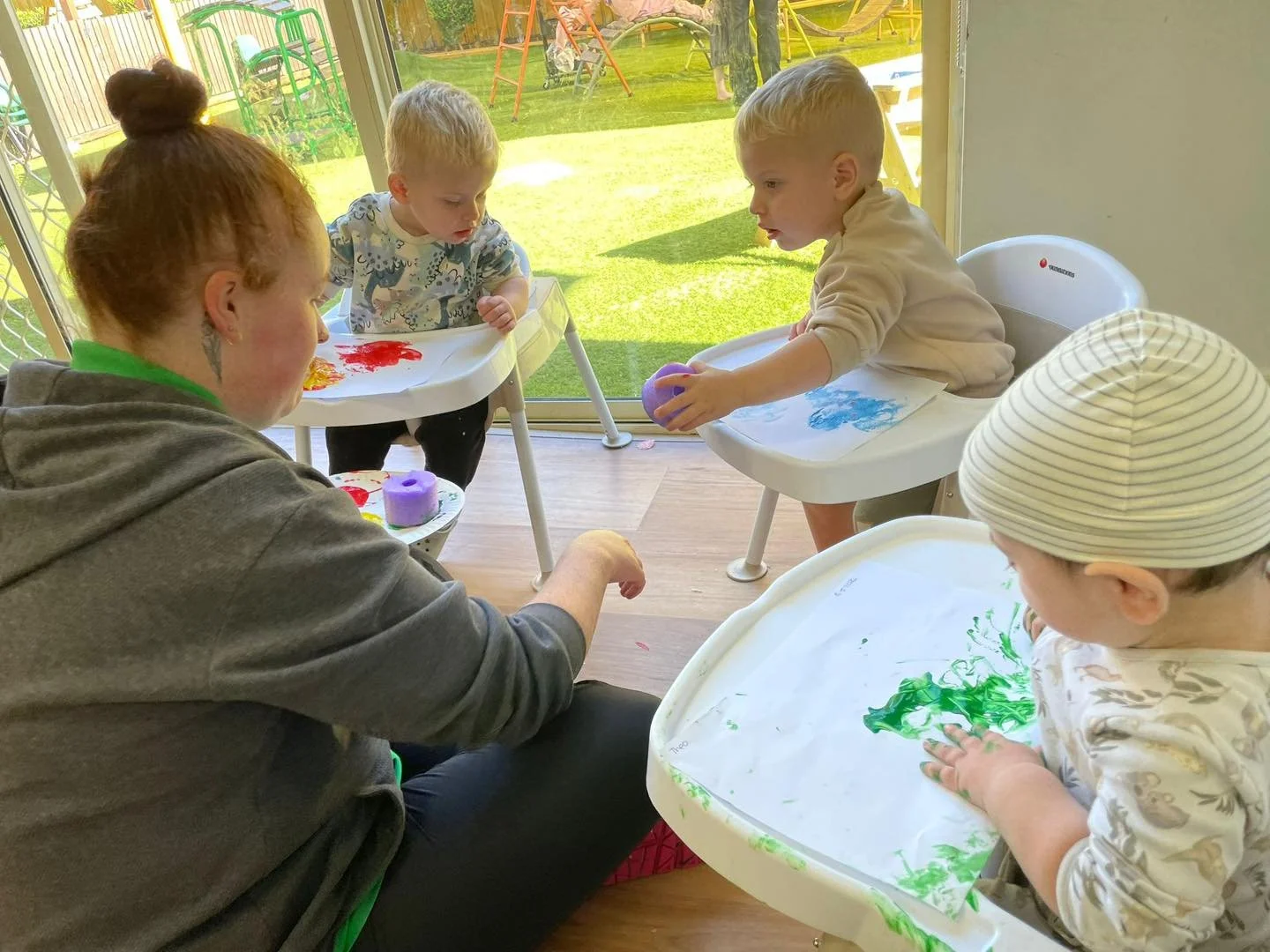
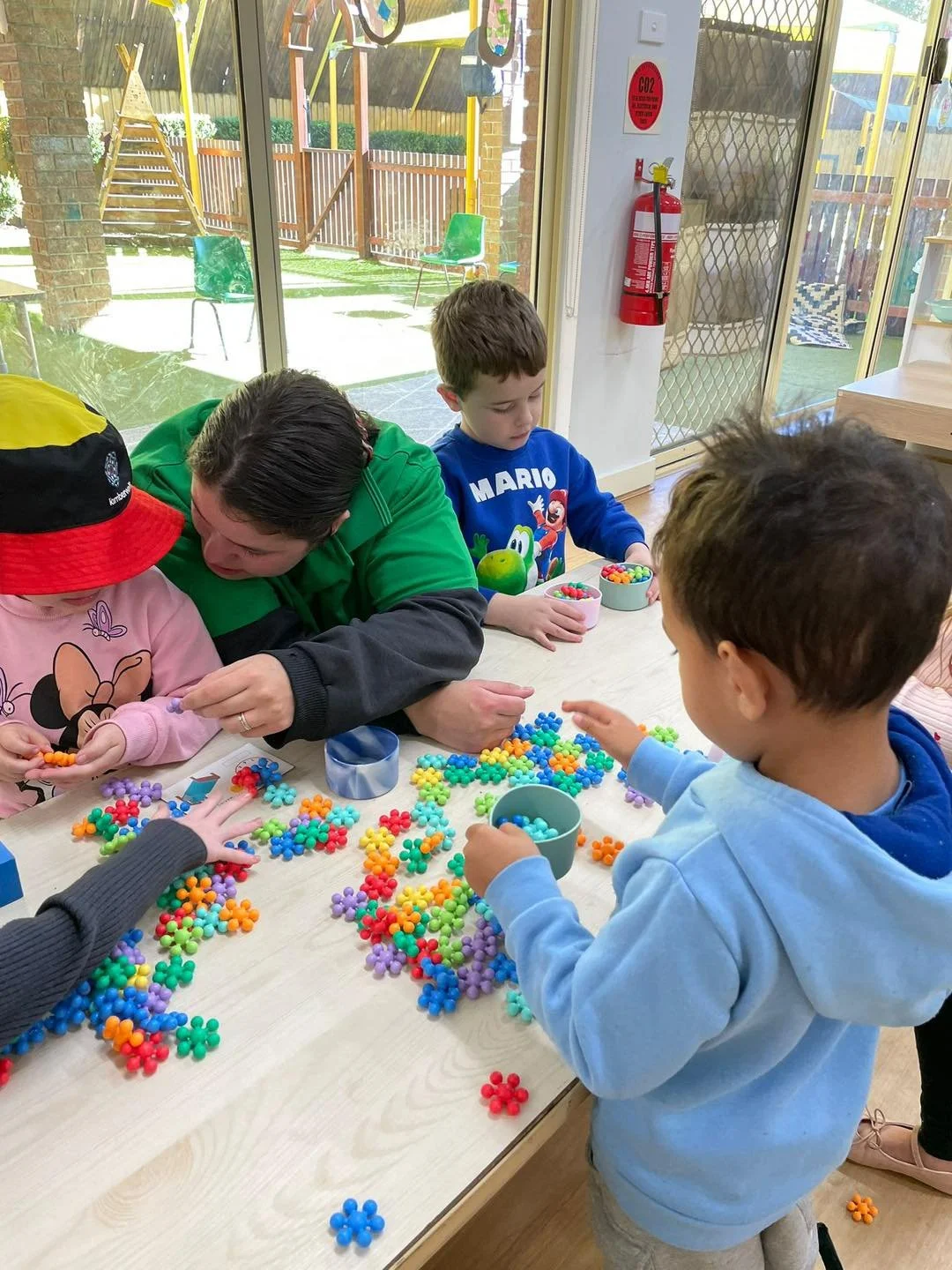
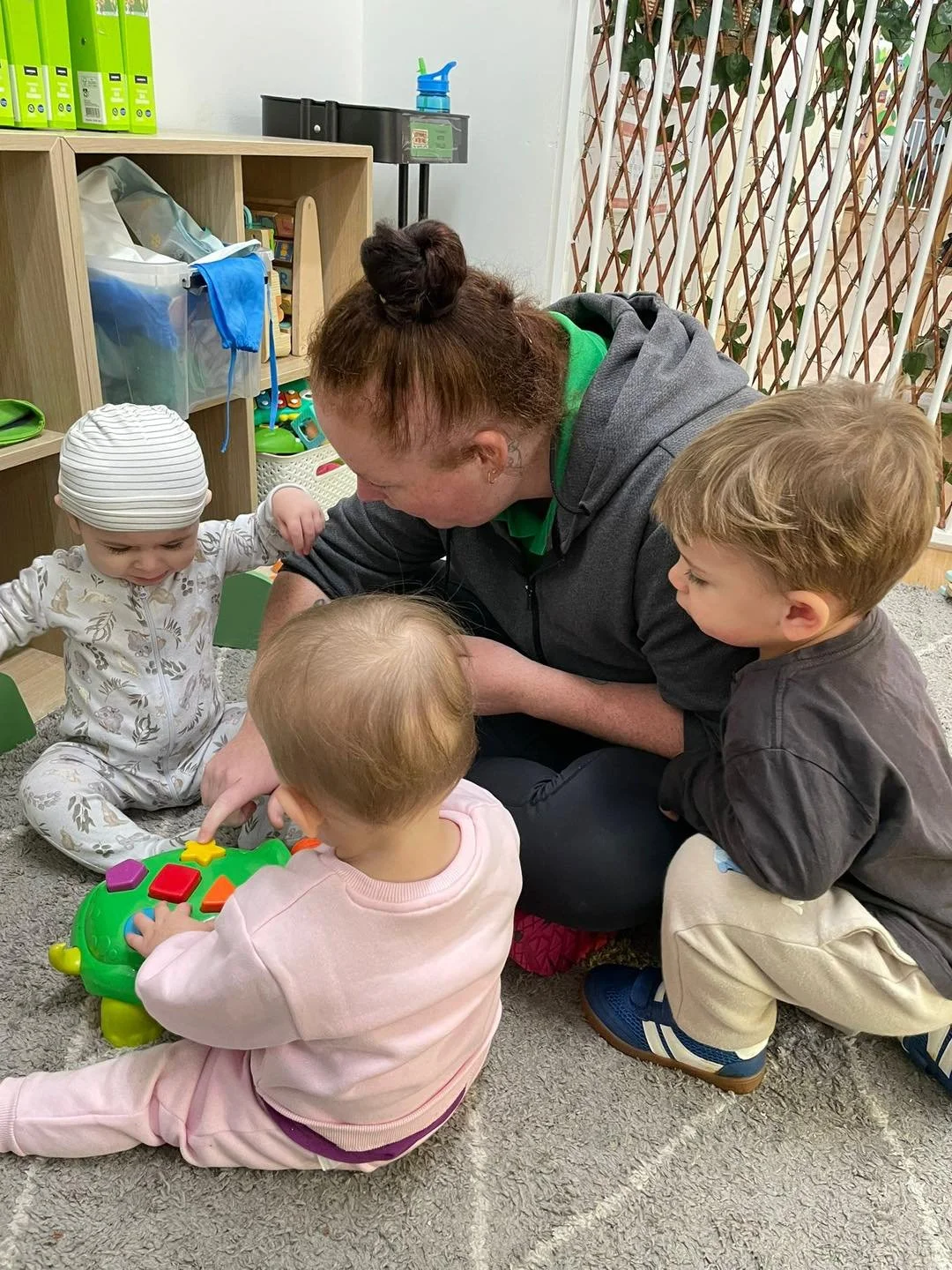
There is a moment that every early childhood educator knows well. A child encounters something new, goes completely still, and then reaches out. That pause before the reach is the brain doing something remarkable: forming new connections, processing sensation, trying to make sense of the world. This week in the nursery at Chipmunks by the Bay, that moment happened over and over again when educators introduced a baby-friendly light box to the room.
The response from the youngest learners was immediate. Children were captivated, leaning in, touching the surface, watching the light shift as they moved their hands. What looks from the outside like a simple moment of wonder is, developmentally speaking, a significant event.
Why Sensory Play Matters More Than It Looks
Sensory play is one of the most researched and consistently supported approaches in early childhood education, and the reason is straightforward: young children learn through their bodies before they learn through language. When a baby touches a warm light panel, feels the smoothness of its surface, watches colours change and reacts to what they see, multiple areas of the brain activate simultaneously. Repeated sensory experiences like this strengthen neural pathways that underpin attention, memory, problem-solving and emotional regulation later in life.
At Chipmunks, sensory play is not a filler activity wedged between the "real" learning. It is the real learning, especially in the nursery years when physical experience is the primary mode of understanding the world.
More Than Just Light: A Full Sensory Week
The light box was the centrepiece, but it wasn't the only thing keeping the nursery busy this week. Children also explored Play-Doh, which offers a completely different sensory register: resistance, texture, temperature, the satisfaction of pressing and squishing and rolling. Fine motor development gets a significant workout through Play-Doh experiences, and the children were fully absorbed.
Music and rhymes rounded out the week, with group song times supporting listening skills, language development and the kind of social bonding that comes from moving and vocalising together. And in a detail that perfectly captures the personality of this room, one of the babies has developed a love for Elvis Presley. The King has been on rotation, and by all accounts the nursery is better for it.
What to Look for in a Nursery Programme
If you're researching childcare options for a baby or young toddler, the quality of the sensory learning environment is one of the most important things to evaluate. Look for centres that offer a genuine variety of sensory experiences across touch, sight, sound and movement. Look for educators who observe children closely and respond to what captures their interest, whether that's a light box or a particular song. And look for rooms where laughter and curiosity are both clearly present.
At Chipmunks Childcare centres across Victoria, our nursery programmes are designed around exactly this approach: meeting your child where they are, and following their curiosity wherever it leads.
Ready to see our nursery rooms in action? Book a tour at your nearest Chipmunks Childcare centre today.