
Movement and Physical Development in the Early Years
Move, Balance, Grow: Why Physical Play Is Serious Learning
Watch a group of four year olds tackle an obstacle course and you will see intense concentration. There is a beam to cross, a tunnel to crawl through, a step to jump from. Every child is working out where their body is, how much force to use and whether they can trust themselves to land. It looks like play, and it is. It is also some of the most important developmental work happening in the room that day.
At Chipmunks Childcare, movement is not a break from learning. It is part of it.
What physical development builds
Physical skills in the early years divide into two broad areas that support each other.
Gross motor skills involve the large muscles: running, jumping, climbing, throwing, balancing and crawling. These build strength, coordination, cardiovascular health and, importantly, core stability.
Fine motor skills involve the small muscles of the hands and fingers: threading, cutting, drawing, using tongs, doing up buttons. These are what eventually make writing, feeding and dressing possible.
The link between them surprises many families. A child needs a strong, stable core and shoulder girdle to sit upright at a table and control a pencil. Climbing and hanging build that stability. In other words, the child who spends more time on the climbing frame is often the child who finds writing easier later.
The skills you cannot see
Beyond muscles, active play develops two systems that quietly run a child's day.
Body awareness, sometimes called proprioception, is the sense of where your limbs are without looking. It is what lets a child step over an obstacle without staring at their feet, or sit in a group without bumping the child beside them.
Balance and spatial awareness, the vestibular sense, develops through spinning, swinging, rocking, tipping upside down and moving through space. Children who get plenty of this tend to be more settled and better regulated, because their bodies are not working hard just to stay oriented.
Both systems are built through repetition, and children seek that repetition out. The toddler who wants to be spun around fifty times is not being difficult. They are calibrating.
Movement at Chipmunks
Our programs combine free active play with intentional movement experiences:
Obstacle courses that ask children to climb, crawl, balance, jump and change direction
Yogi Yoga sessions where children practise poses, stretching, controlled breathing and holding still
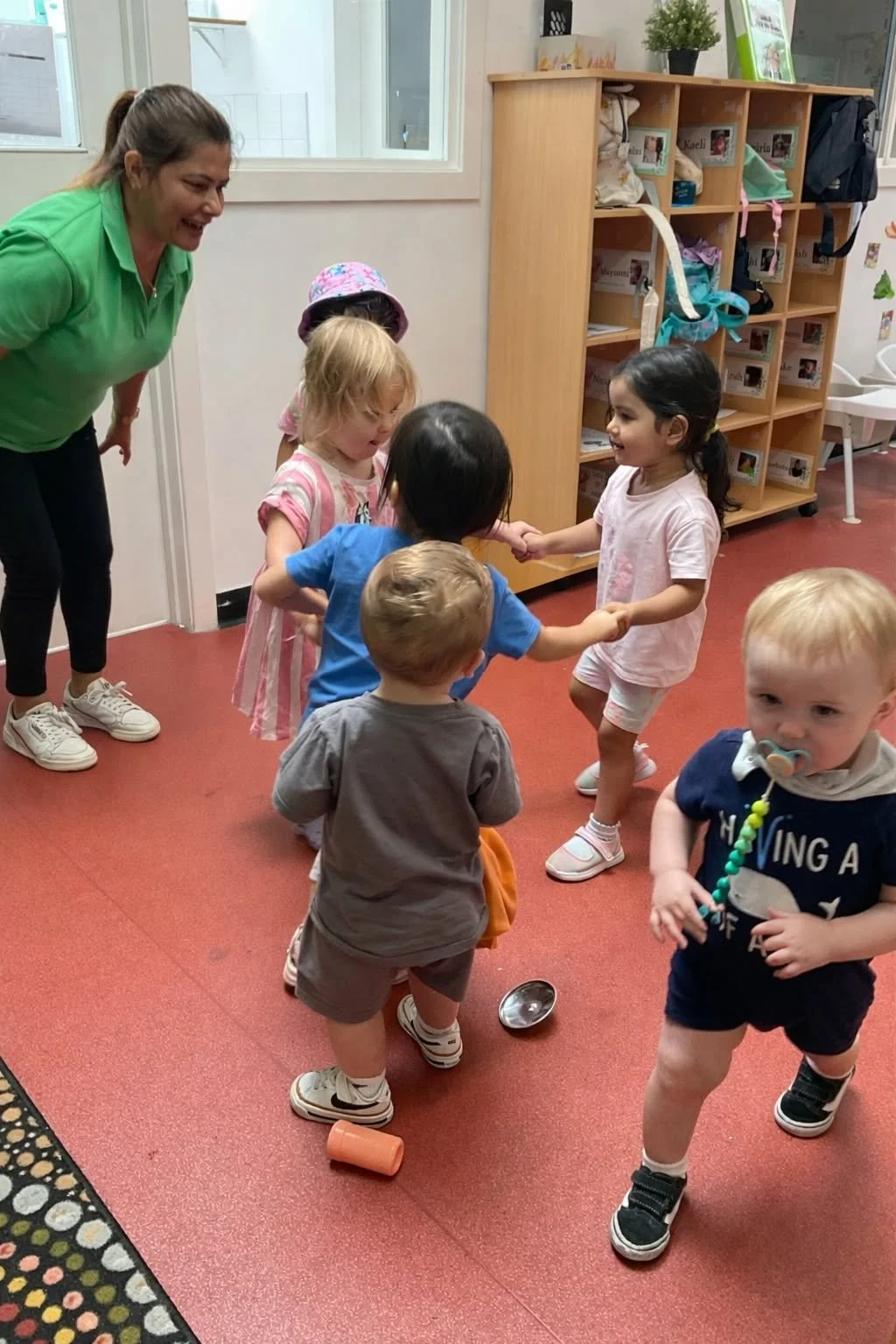
Dance and music movement that links rhythm, listening and gross motor control
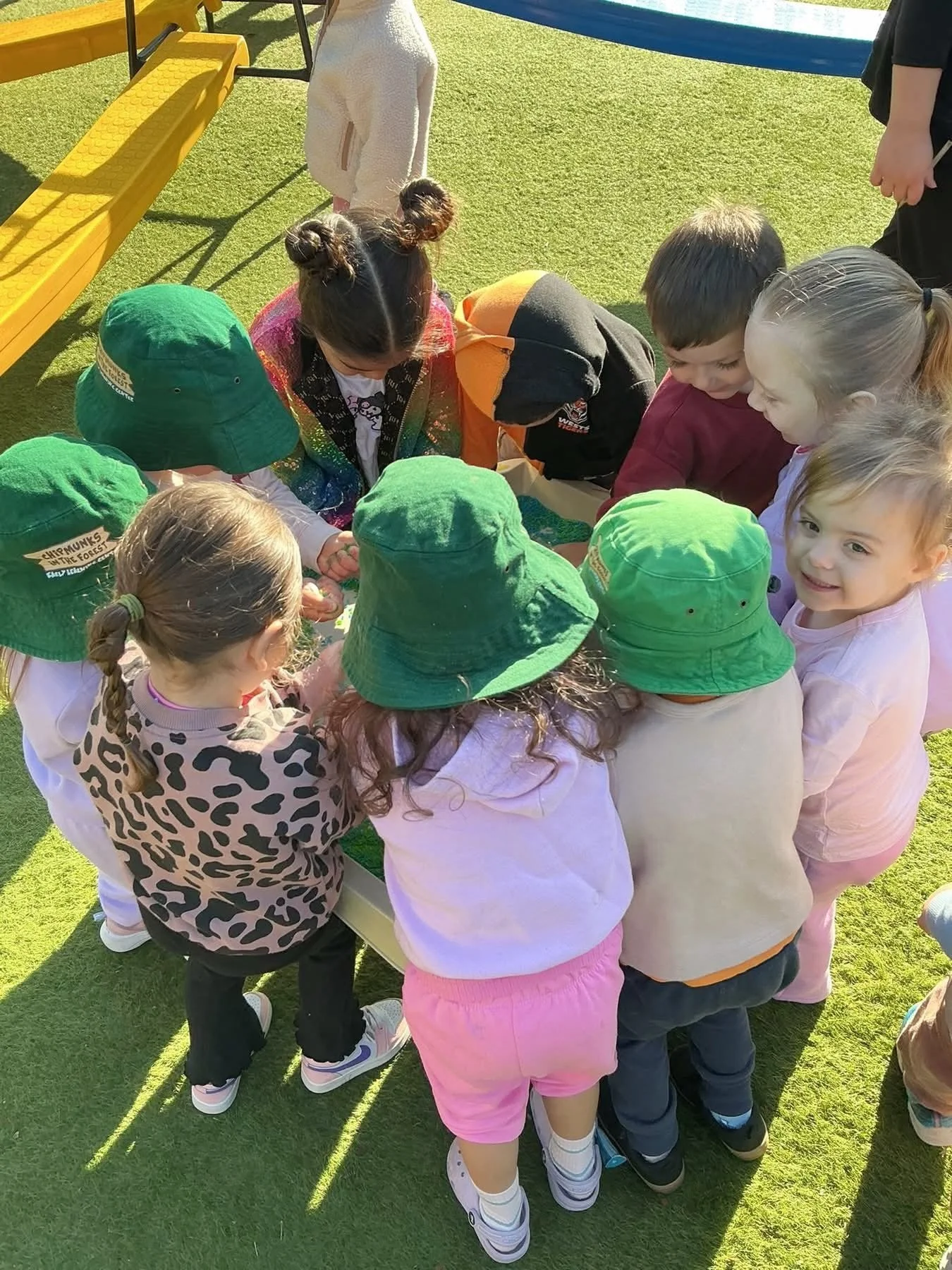
Outdoor play across varied surfaces, slopes, sand and grass, which is far better for balance than flat indoor floors
Ball games and target play for hand eye coordination and throwing and catching
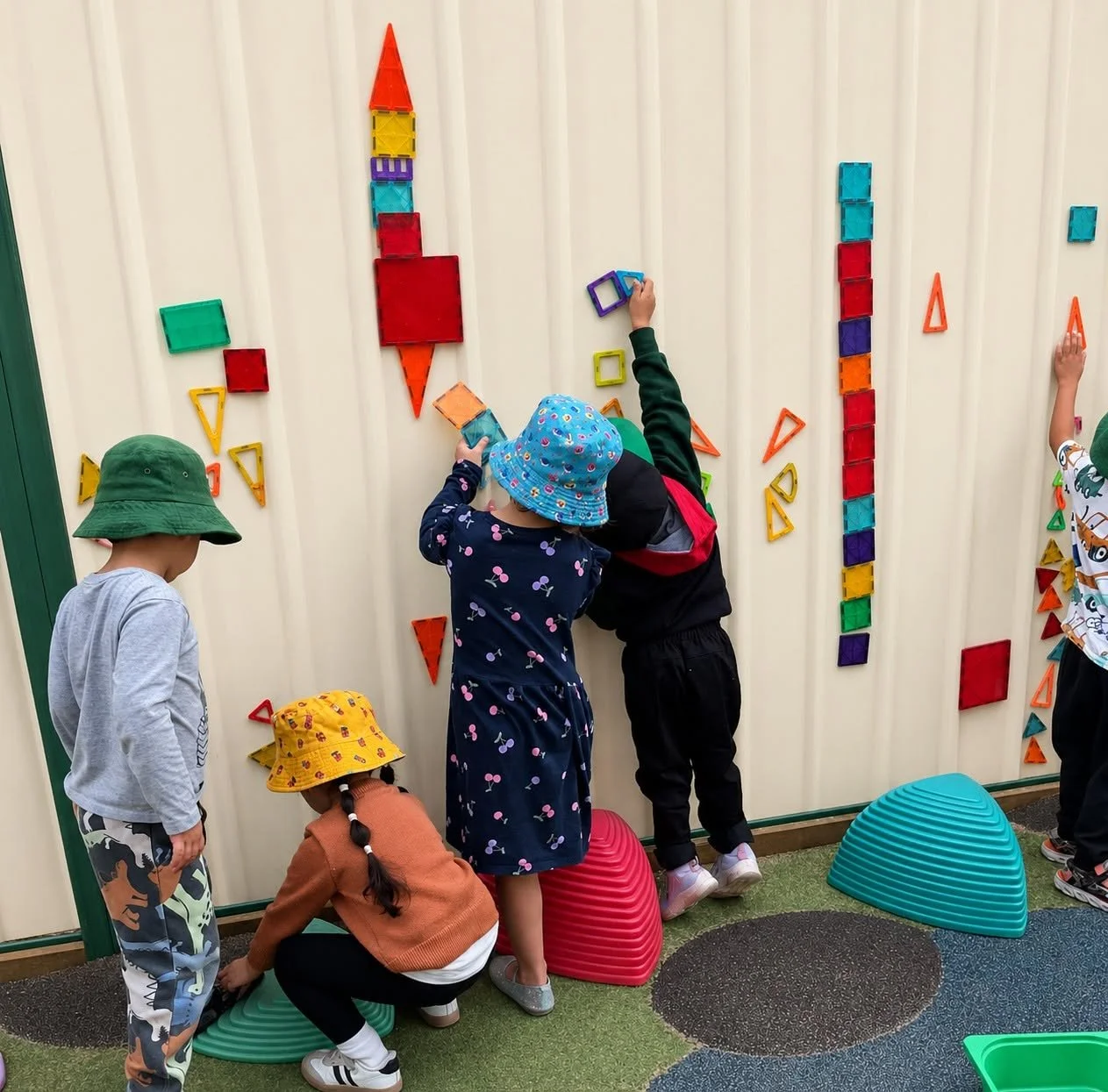
Fine motor stations with threading, stamping, cutting, playdough and tongs
Yoga deserves a particular mention. Beyond flexibility and strength, it teaches children something quite advanced for their age: how to notice their own body, slow their breathing and calm themselves down. Children who learn a breathing technique at four have a self regulation tool they can use for the rest of their lives.
Confidence comes with the physical skill
There is an emotional payoff to all of this that is easy to overlook.
A child who has just climbed higher than they climbed last week has evidence that they are capable. Physical mastery is visible and immediate in a way few other achievements are at this age. It builds a willingness to try, to risk a small failure, and to try again.
Managed risk matters here. Educators do not remove every challenge, because a challenge with no risk teaches nothing. We create environments where children can test their limits safely, judge for themselves what they are ready for, and build the self assessment that keeps them safe later.
Active play is also deeply social. Turn taking on equipment, cooperating in group games, negotiating rules and cheering each other on are all social and emotional learning wrapped inside physical activity.
Supporting movement at home
Prioritise outdoor time, even brief. Parks, backyards, footpaths and beaches all count
Let them climb. Supervised risk is how children learn to judge risk
Build an indoor course from cushions, tape lines and furniture on rainy days
Try a short yoga or stretching session together. Five minutes before bed works well
Walk instead of driving where you can, and let your child set the pace
Give them jobs that involve carrying, pushing and lifting, which children find genuinely satisfying
Reduce screen sitting rather than screens themselves. It is the stillness that costs the most
Bodies first
Everything a child does at school, from sitting at a desk to holding a pencil to joining a game at lunchtime, rests on physical foundations laid before they get there.
If you would like to see our outdoor spaces and movement programs, book a tour at your nearest Chipmunks Childcare centre. Bring your child, and let them try the climbing frame.
