
Sustainability in Early Childhood Education
Small Hands, Big Ideas: Teaching Sustainability in the Early Years
A group of three year olds is sorting a pile of materials into bins. A yoghurt tub goes one way, a leaf goes another, and there is a long, serious debate about a piece of foil. Nobody has mentioned climate change. Nobody needs to. These children are learning that things do not simply disappear, that some can be used again, and that the choice is theirs to make.
Sustainability is one of the principles woven through our programs at Chipmunks Childcare, and it is far more practical than the word suggests.
Why start this young
Children under five are not too young to care for the world around them. They are, in fact, at exactly the right age.
Values form early. A child who spends their preschool years watering a garden, feeding worms, saving scraps and turning boxes into something new does not experience sustainability as a rule imposed on them. It is just how things are done. That is a far more durable foundation than a lesson delivered later to a child who has never done any of it.
Australia's Early Years Learning Framework asks that children become socially responsible and show respect for the environment. Meeting that outcome does not require a curriculum on ecosystems. It requires giving young children real responsibility for something living and something reusable.
What sustainability looks like at Chipmunks
Reduce, reuse, recycle in practice. Children sort materials, learn which bin things belong in, and understand that a container can have a second life. Our Earth Heroes program takes recycled materials and turns them into something new, from woven baskets to picture frames. The lesson lands because the child holds the result.
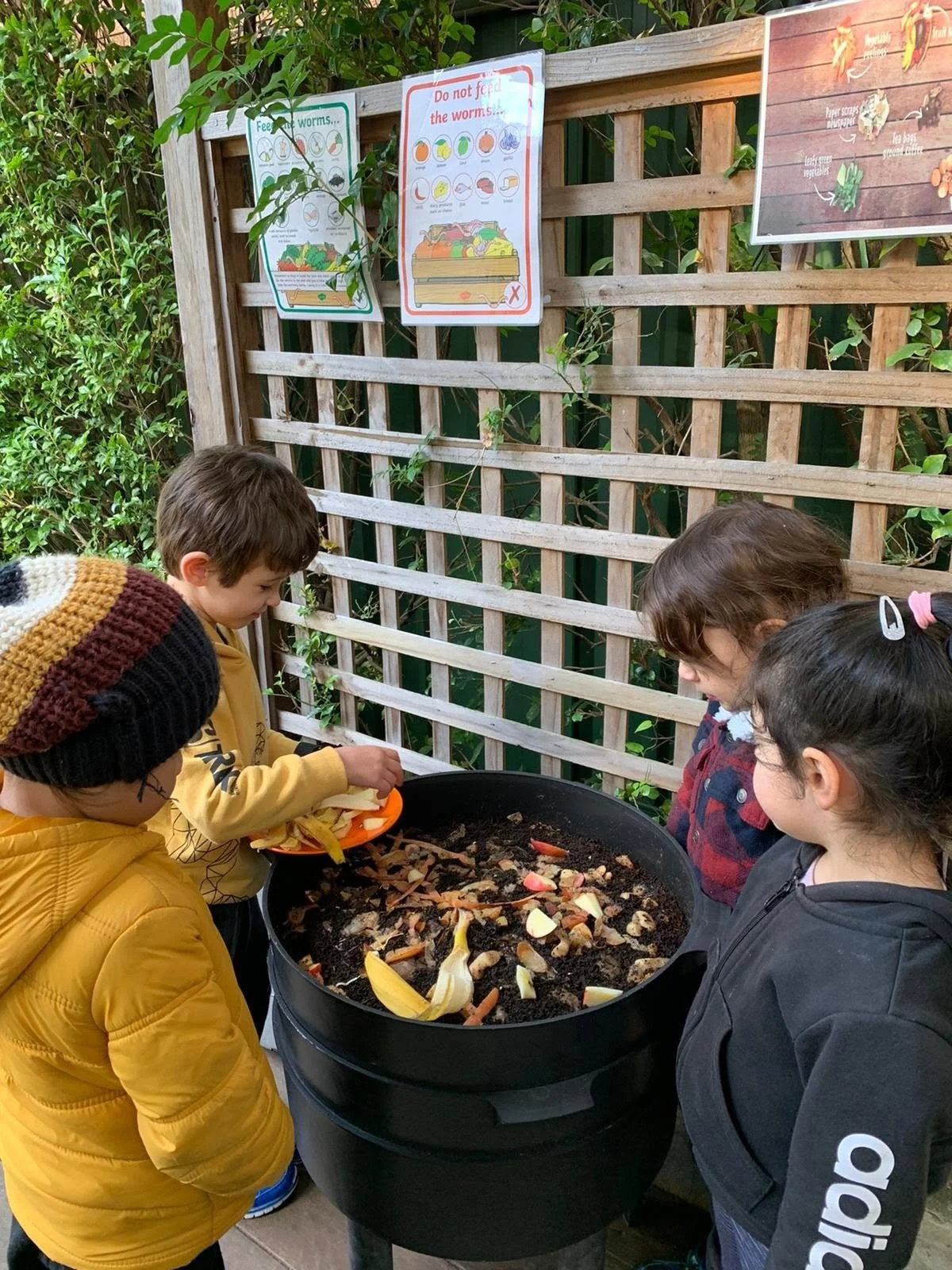
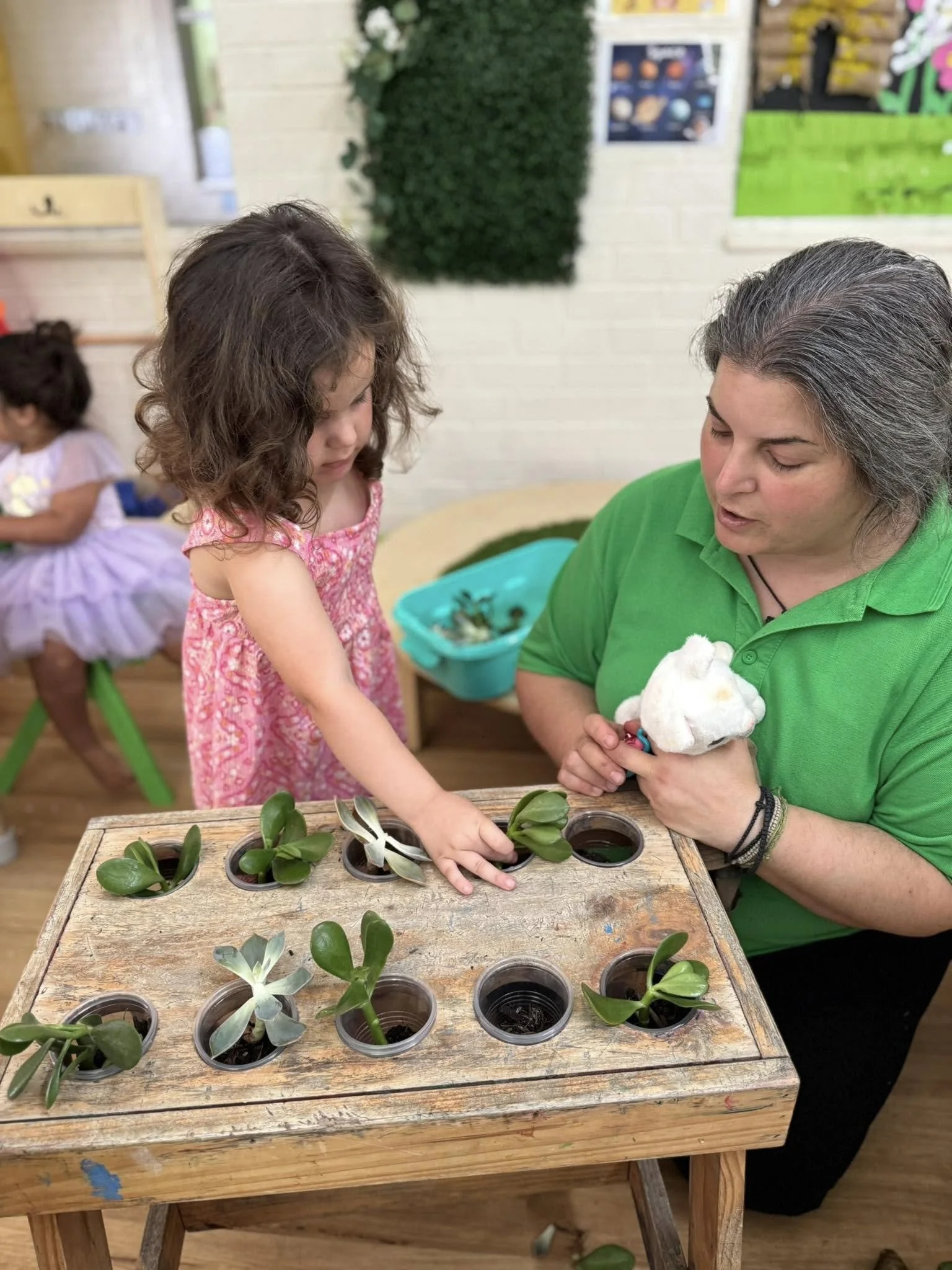
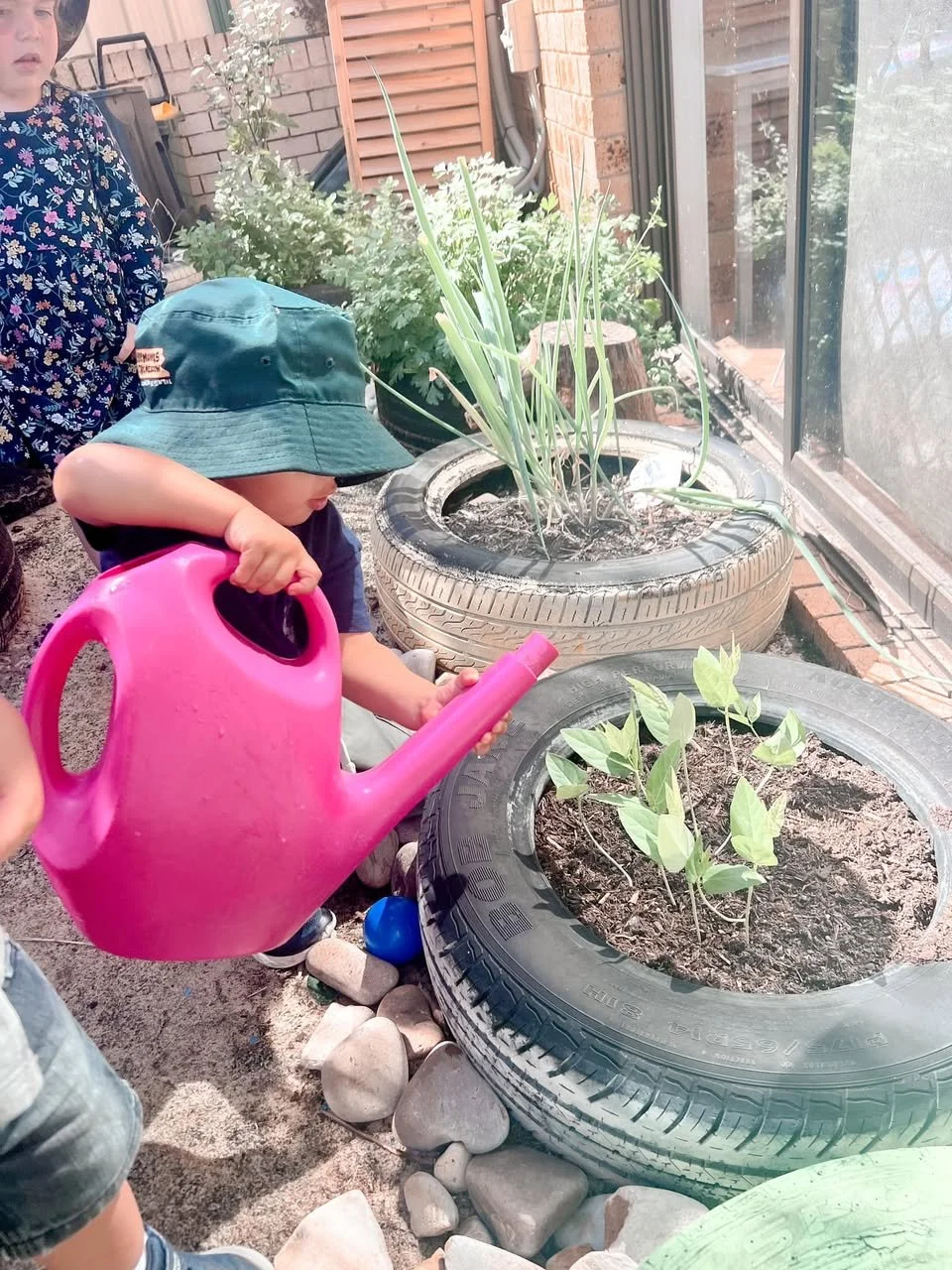
Caring for living things. Chick hatching programs let children watch a life cycle unfold in real time, then take genuine responsibility for keeping something small and vulnerable safe. Gardens, worm farms and plants extend the same idea over a longer timescale. Children learn that living things need consistent care, not occasional attention.
Learning about animals and habitats. Days like World Elephant Day, National Threatened Species Day and Save the Koala Day give children a reason to explore where an animal lives, what it needs and why it might be at risk. Children make connections between the elephant in the storybook and the environment it depends on.
Nature as the everyday classroom. Outdoor play, gardening, weather watching and seasonal change all build the observational habits that environmental awareness rests on. A child who notices things is a child who will notice change.
Reducing waste in daily routines. Water use, food scraps, paper offcuts and packaging are all visible to children when adults make them visible. Small, repeated moments do the teaching.
The skills hiding inside
Sustainability learning is never only about the environment. When a child sorts recyclables, they are practising classification, an early maths skill. When they care for a plant over weeks, they build patience and cause and effect understanding. When they debate whether foil is recyclable, they are reasoning and negotiating. When they hold a chick, they practise gentleness, self regulation and empathy.
Educators support this with intentional questions rather than answers. Where does this go? What do you think would happen if we forgot to water it? How could we use this box instead of throwing it away?
Keep it hopeful
One important note for both educators and families. Young children do not need to carry environmental anxiety. The framing that works at this age is capability, not crisis: look what we can look after, look what we can make, look what is growing because we helped.
Children respond to agency. Give a four year old a job that visibly helps something, and they will do it with enormous seriousness.
Simple things to try at home
Give your child one green job that is genuinely theirs, such as putting the recycling out or watering a pot
Grow something edible. Herbs, cherry tomatoes and strawberries are fast and forgiving
Save a box before you save the planet. Cardboard, lids and tubes make better craft than anything bought
Take a nature walk with a bag and collect leaves, seed pods and interesting stones rather than souvenirs
Talk through your own choices out loud when you take a reusable bag or turn off a tap
Visit somewhere living. A community garden, a park, a beach clean up, a farm
Care is the lesson
The goal is not for a preschooler to explain the recycling system. It is for a child to grow up expecting to look after things, because they have always looked after things.
Come and see our gardens, our Earth Heroes projects and our outdoor spaces for yourself. Book a tour at your nearest Chipmunks Childcare centre.
