Supporting Social and Emotional Development in Early Childhood
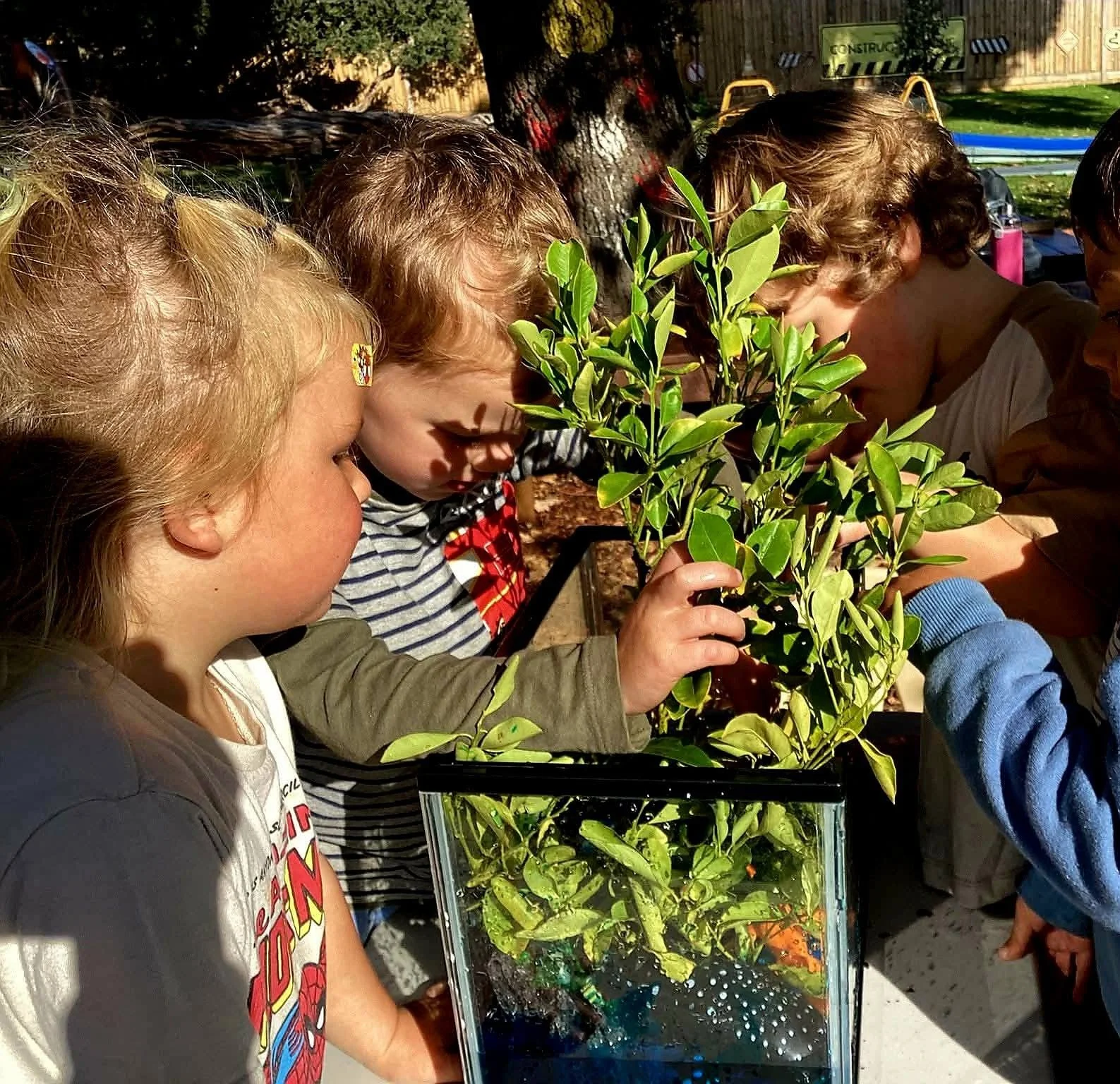
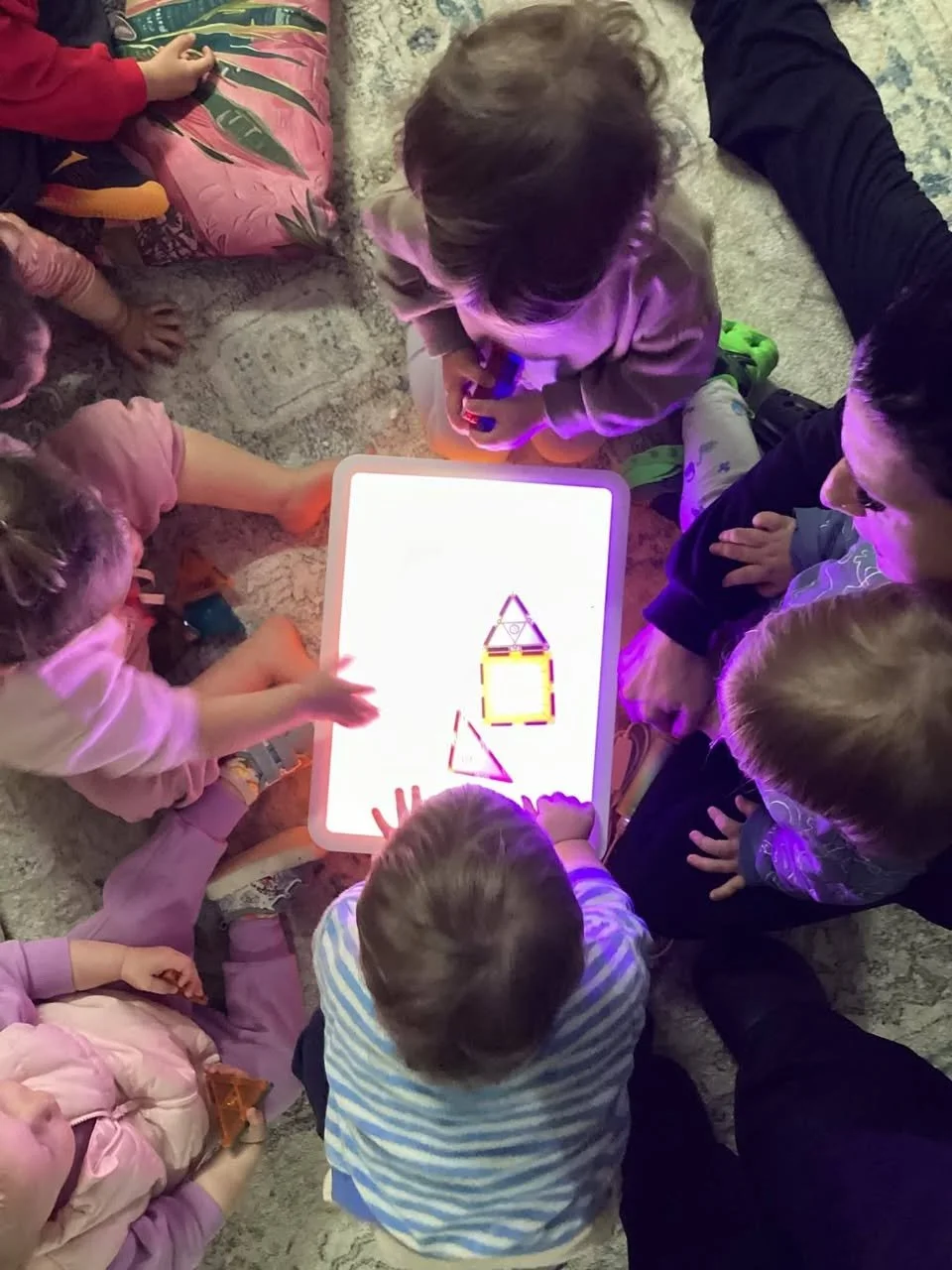
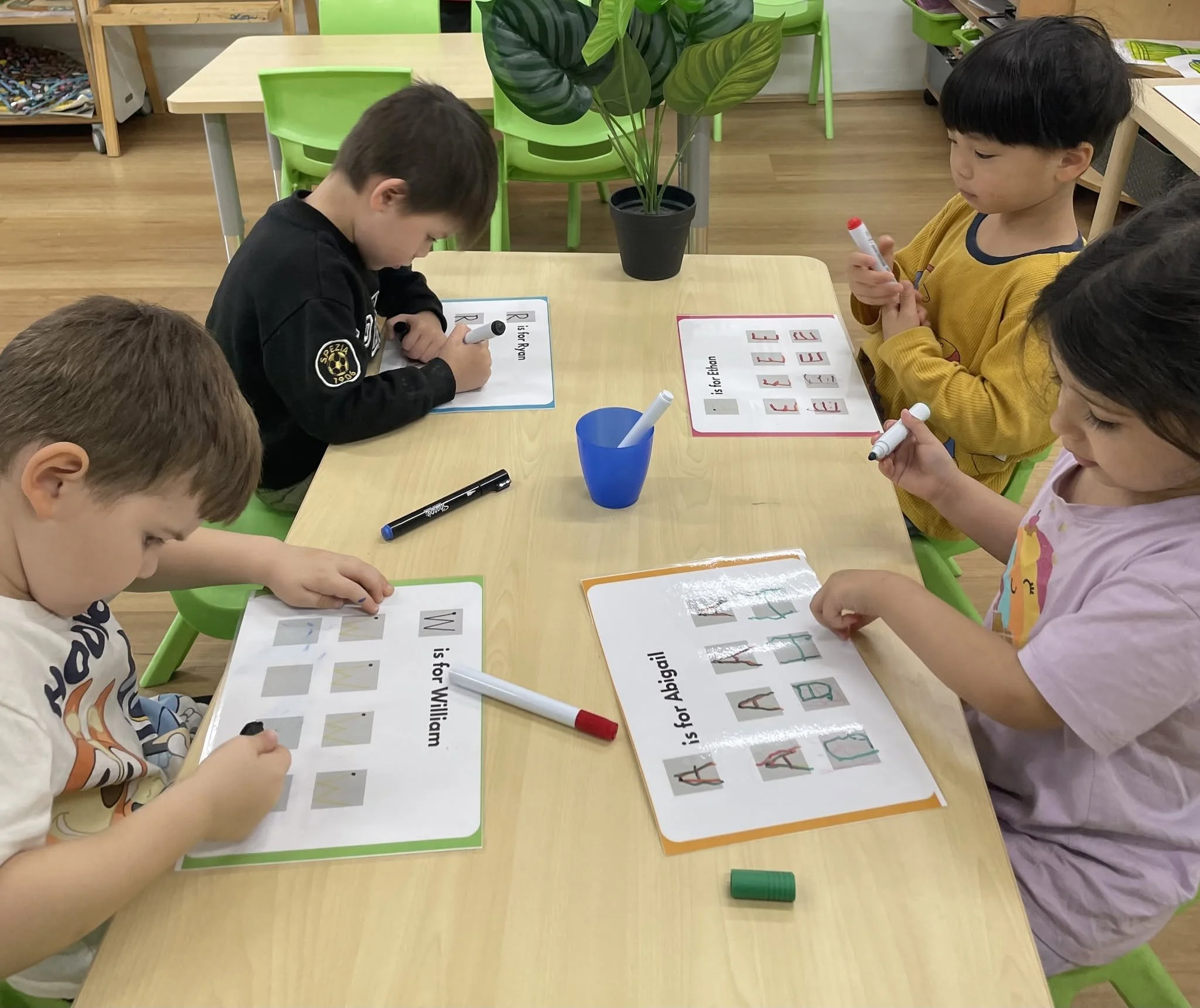
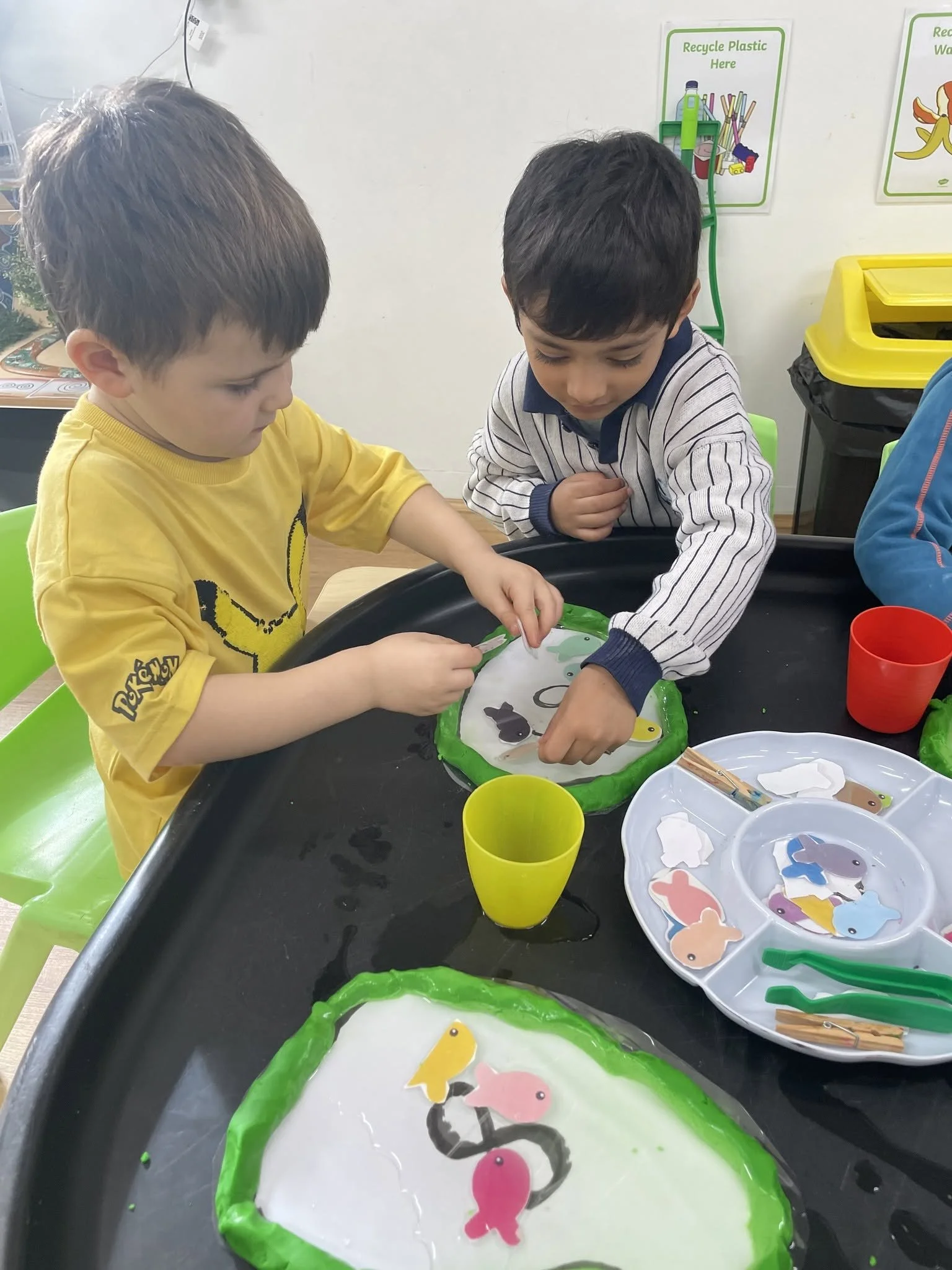
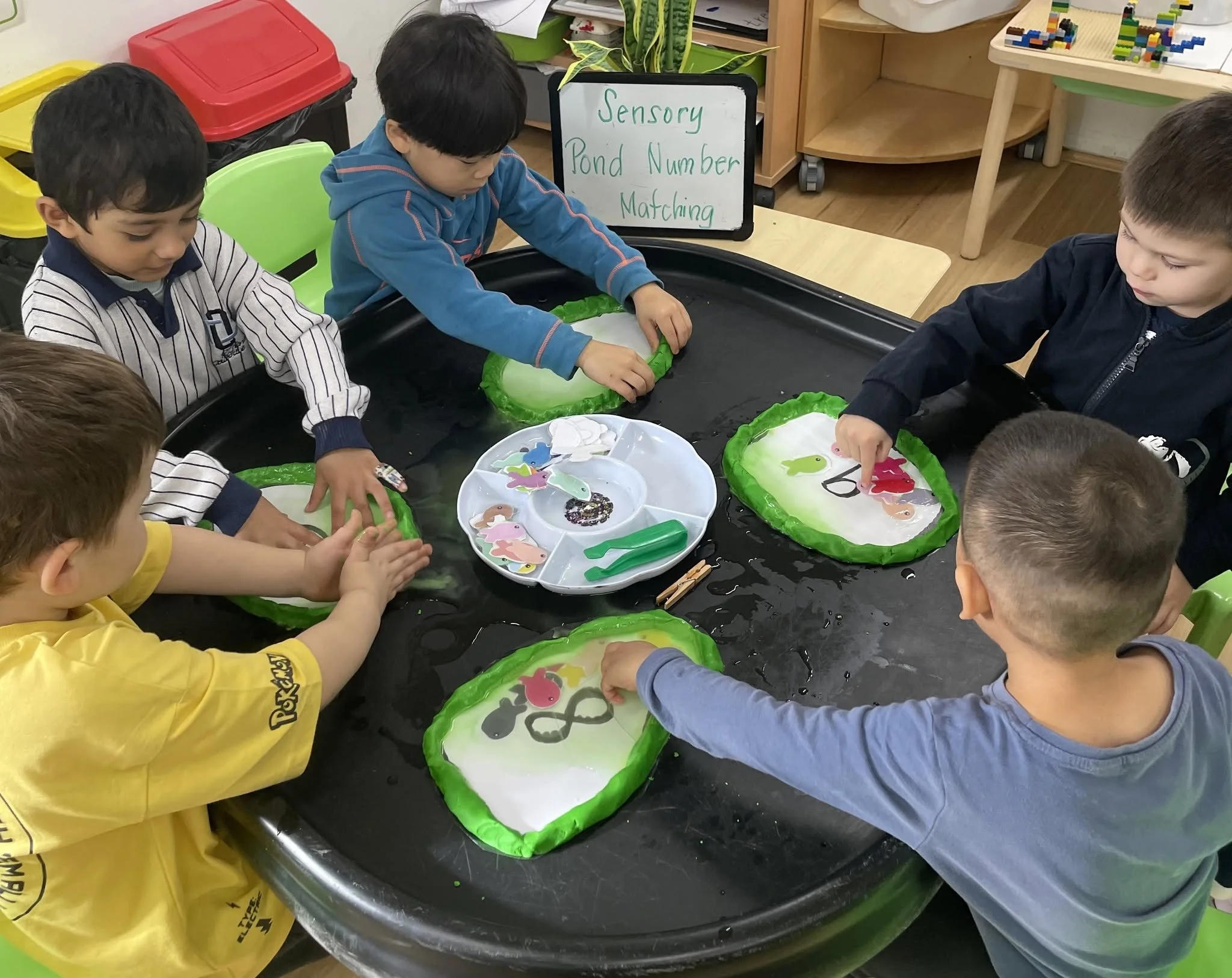
Long before children can read or write, they're learning something arguably just as important: how to be a friend, how to share, and how to understand and manage their own feelings. Social and emotional development is one of the quiet but powerful threads running through every day at Chipmunks Childcare.
Why Social and Emotional Skills Come First
Children who feel emotionally secure and socially confident are better placed to learn everything else. A child who can name their feelings, ask for help, and navigate a disagreement with a friend has the foundation needed to focus, problem-solve, and engage with new experiences — at childcare and later at school.
Early childhood is a critical window for developing:
Self-regulation — recognising and managing emotions like frustration or excitement
Empathy — understanding how others might be feeling
Communication — expressing needs, wants, and feelings in appropriate ways
A sense of belonging — feeling secure and valued within a group
How Educators Support This Every Day
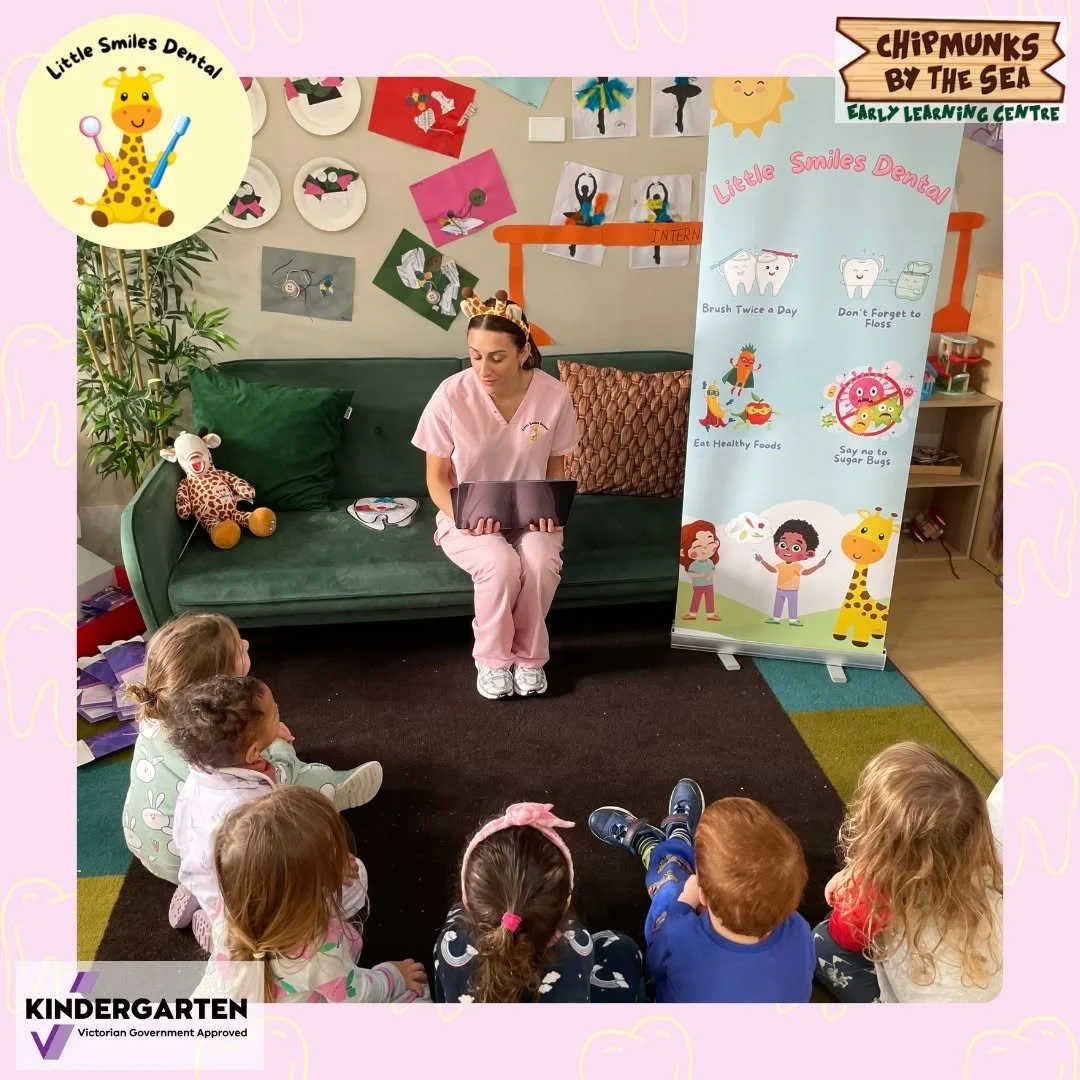
Social and emotional learning happens through everyday moments as much as planned activities. Educators might lead a group discussion exploring questions like "What makes a friend?", encouraging children to articulate ideas like being kind, sharing toys, or comforting someone who's upset. These conversations are often captured visually too, with children's own words and ideas written up for the group to revisit.
Role play is another powerful tool — acting out everyday scenarios gives children a safe space to practise sharing, taking turns, and resolving small conflicts. Conversations about feelings and personal safety are introduced gently and age-appropriately, helping children build the vocabulary and confidence to express themselves and understand their own boundaries.
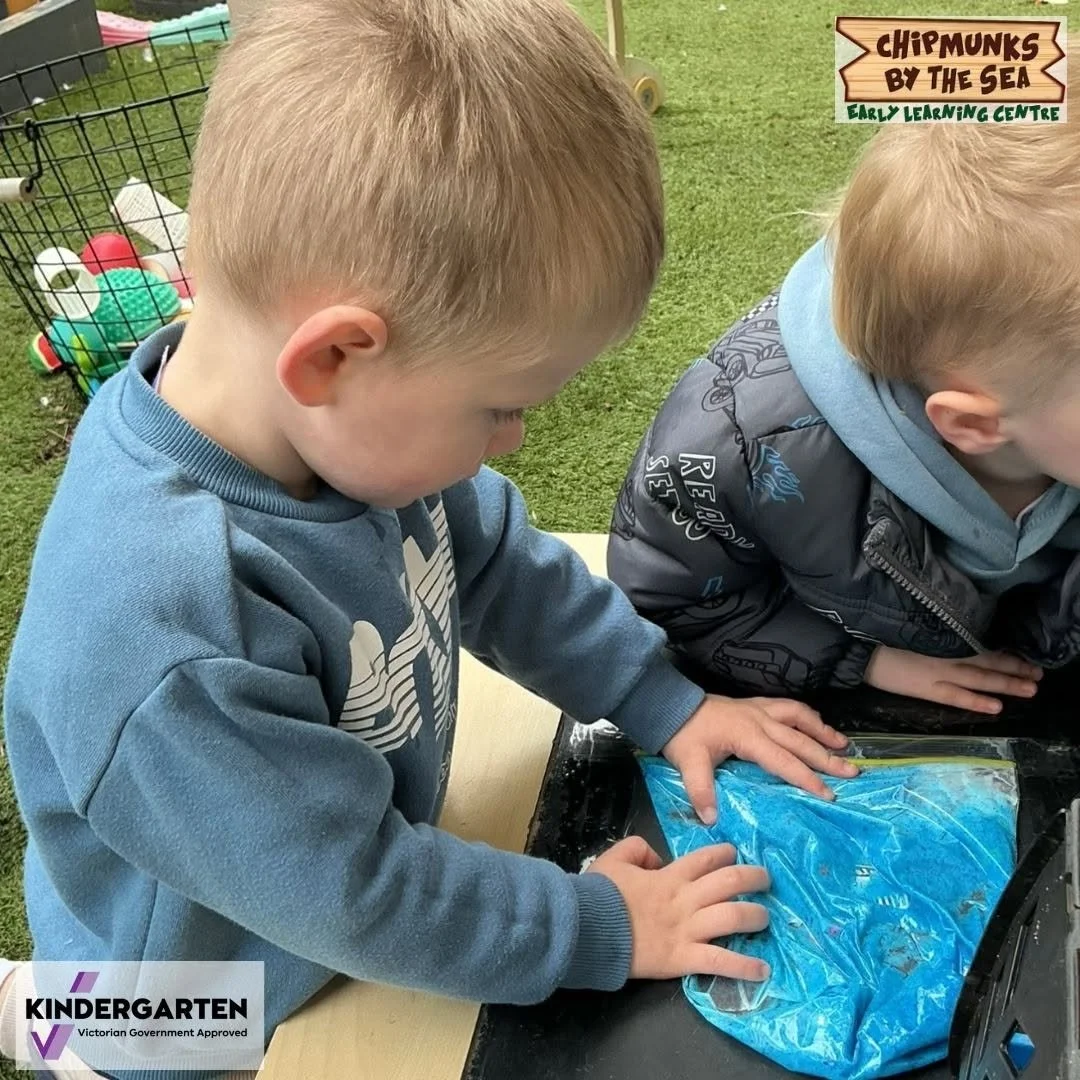
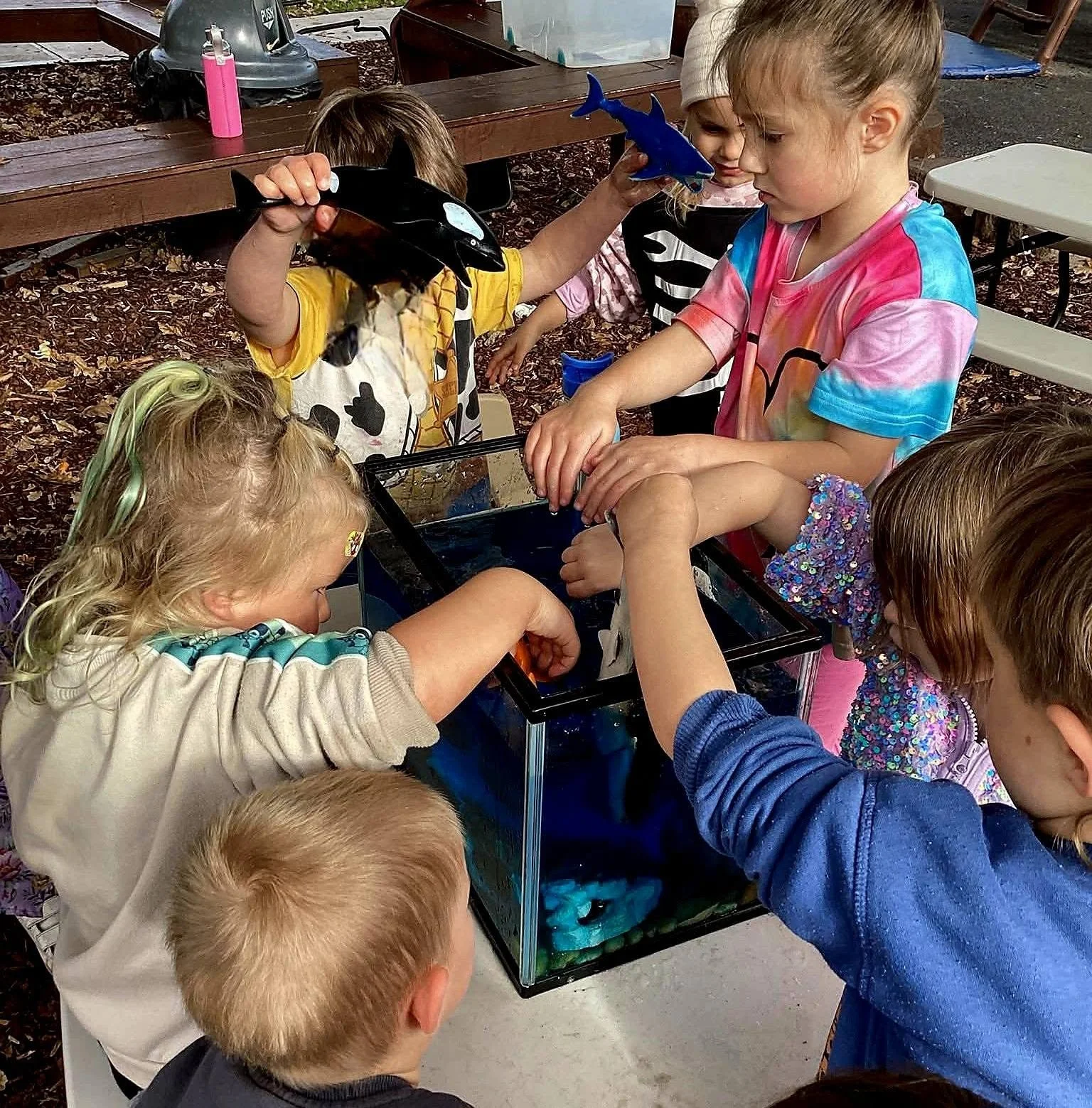
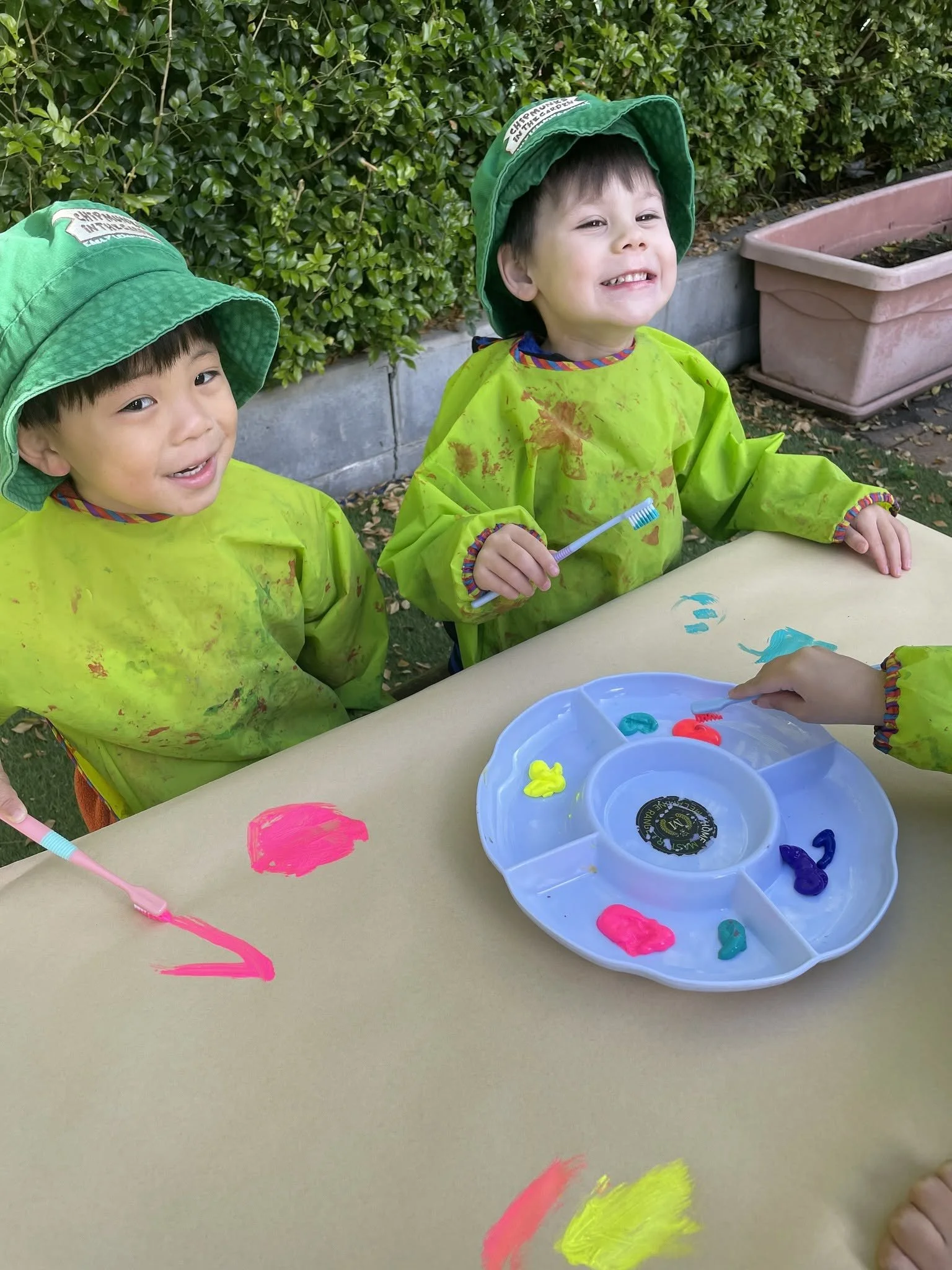
Even seemingly simple activities like craft and creative play double as opportunities for cooperation, as children learn to share resources, wait their turn, and communicate their needs to both educators and peers.
The Role of Smaller Groups and One-on-One Time
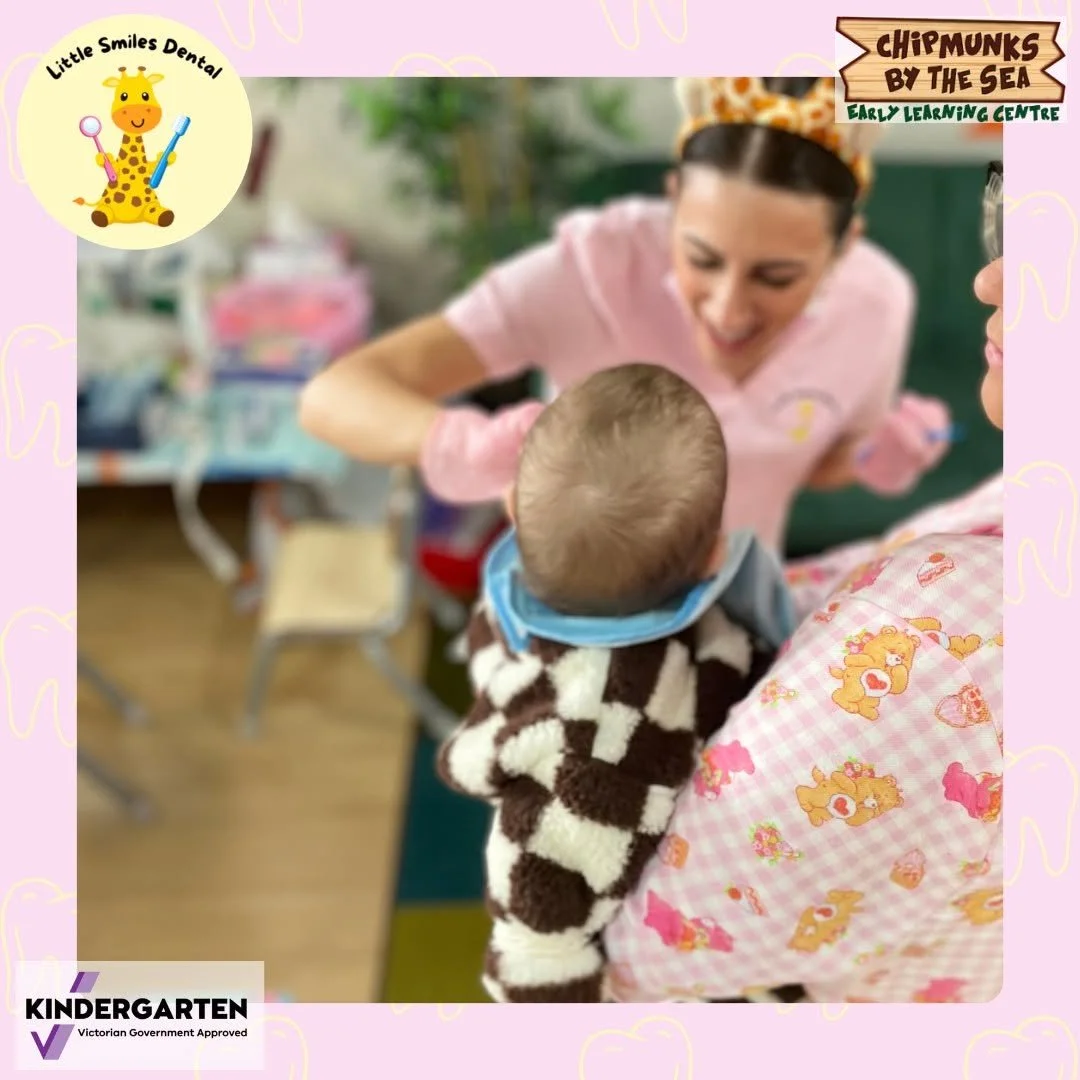
For our youngest children, social and emotional development often starts with the relationship between child and educator. Smaller group sizes allow extra one-on-one engagement, helping babies and toddlers build trust and feel secure in their environment — the very foundation on which later social confidence is built.
Supporting Emotional Growth at Home
Parents play just as important a role. Naming emotions out loud ("I can see you're feeling frustrated"), modelling kindness, and giving children language for their feelings all reinforce the work being done at the centre. Consistency between home and care environments helps children feel safe practising these new social and emotional skills.
Confidence That Lasts
The friendships, empathy, and emotional resilience children build in their early years don't stay behind when they head off to school — they become part of how they navigate relationships and challenges for life.
If you'd like to learn more about how our educators support social and emotional development across our age groups, find your nearest Chipmunks Childcare centre — we're always happy to chat.