
Science and Curiosity in Early Learning
Little Scientists: How Curiosity Becomes Real Learning in the Early Years
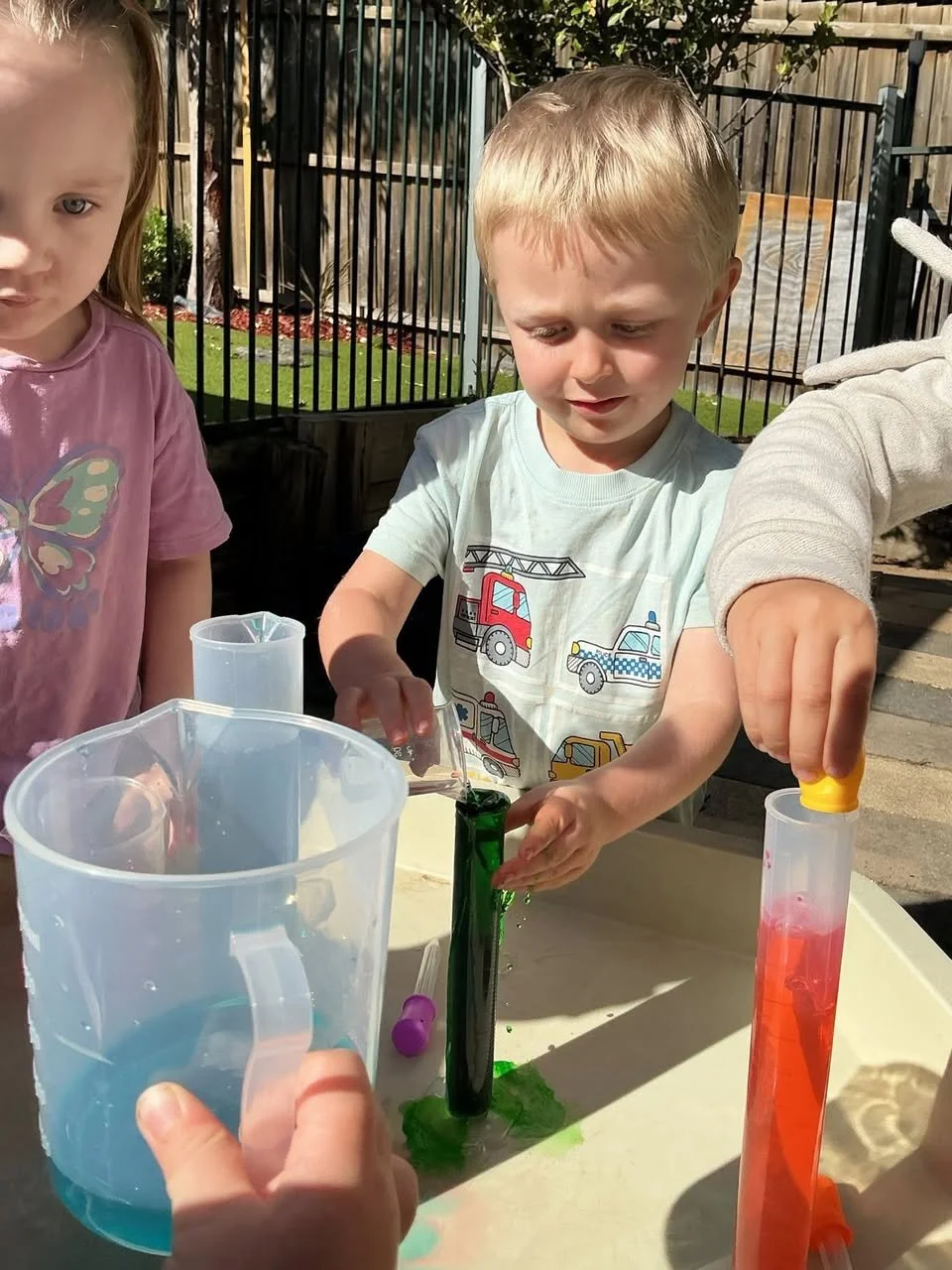
A child tips a cup of water onto a tray and watches it spread. She tips it again, this time on a slope, and notices it runs faster. She looks up, checks that an adult is watching, and does it a third time. To a passing adult this might look like mess. To an early childhood educator, it is a child running an experiment.
Long before a child sits in a science classroom, they are already doing the work of a scientist. They are noticing, wondering, predicting, testing and adjusting. Across our Chipmunks Childcare centres, this is exactly the thinking we set out to protect and extend, because the habits formed in these years shape how a child approaches problems for the rest of their life.
Children are born asking questions
Curiosity is not something we need to teach a two year old. It arrives with them. What children do need is an environment where their questions are taken seriously and where they have the time and materials to chase an answer.
That is why our programs are built around investigation rather than instruction. Instead of telling children what will happen, educators ask what they think will happen. Instead of correcting a wrong guess, we help children test it. A guess that turns out to be wrong is not a failure in early childhood science. It is the moment learning happens.
What science looks like at Chipmunks
Science in the early years rarely looks like a laboratory. It looks like this:
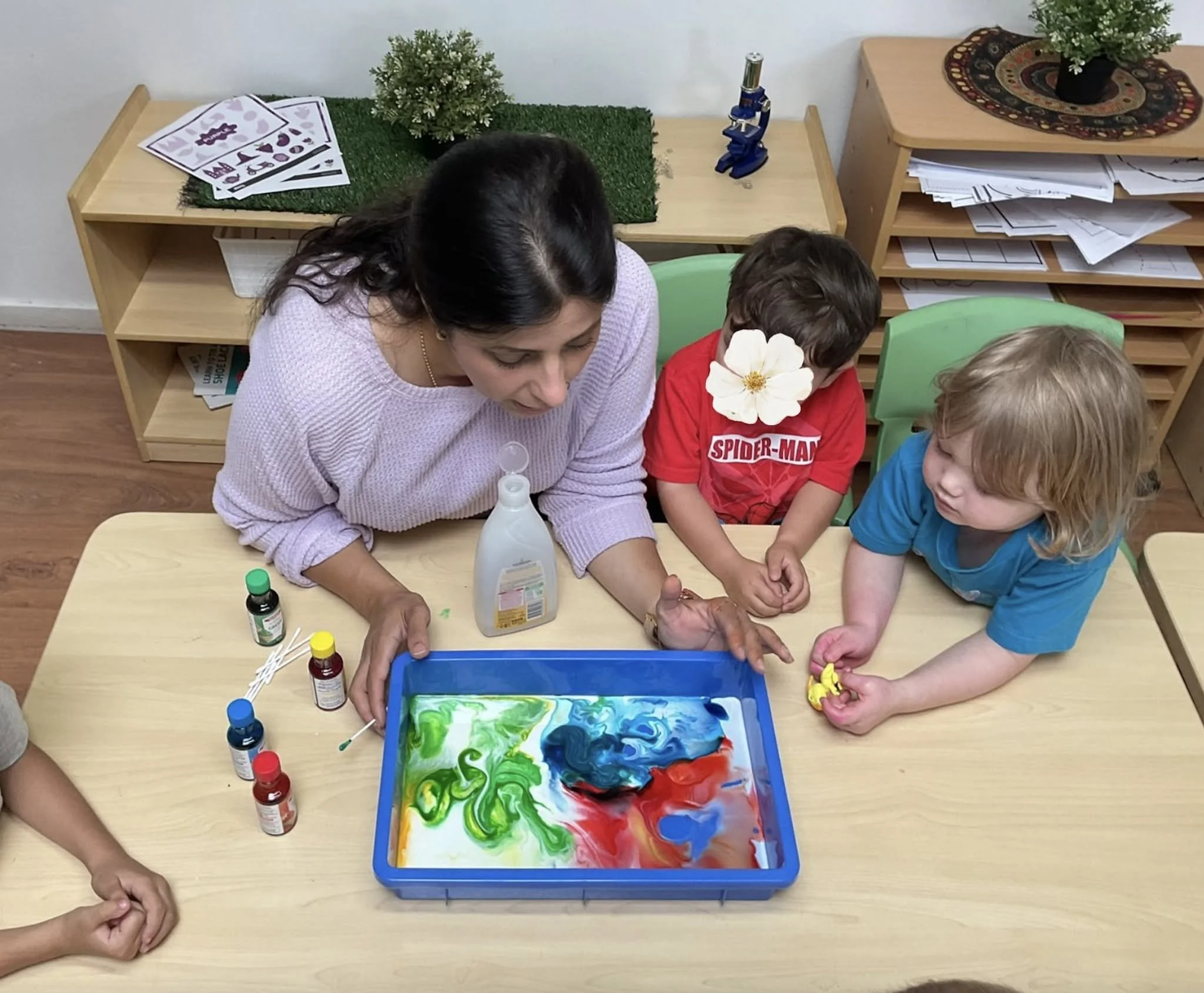
Colour and mixing experiments where children predict what two colours will make, then find out
Cause and effect play with ramps, funnels, water, torches and shadow
Life cycle learning, including live chick hatching programs that let children watch an egg become a chick over days, ask why, and learn how to care for a living thing
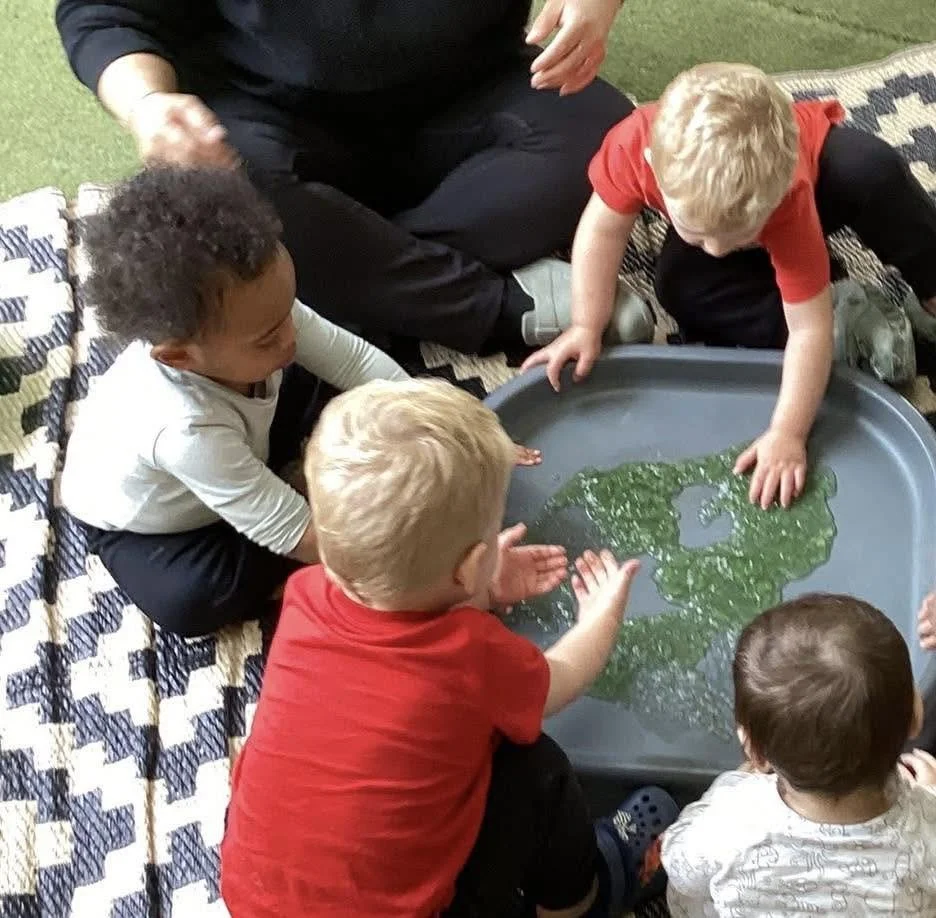
Sensory investigations using ice, sand, soil, dough and natural materials, where children test what happens when something is warmed, squeezed, poured or buried
Nature study in our outdoor spaces, following insects, weather, seasons and growing plants
Sustainability projects where children work out what can be reused and what cannot
Each of these is a low pressure, high interest way to build a very serious set of skills. Children practise observing closely, describing what they see, forming a theory, testing it and explaining the result to someone else. Those are the same skills a scientist uses.
The thinking skills behind the fun
Australia's Early Years Learning Framework describes children as confident and involved learners who develop dispositions such as curiosity, persistence and problem solving. Hands-on investigation is one of the most direct ways to build them.
When a child predicts and then observes, they are learning to hold an idea in mind and check it against reality. When an experiment does not work, they practise persistence and flexible thinking. When they explain what happened to an educator or a friend, they stretch their vocabulary and their ability to sequence events. When they take turns pouring or share the magnifying glass, the science session quietly becomes a social one too.
Educators build on this through intentional teaching, which simply means being deliberate about the questions we ask. What do you think will happen? Why do you think that? What could we try next time? Those three questions turn an activity into an investigation.
For our youngest learners
Babies and toddlers are scientists too, and their experiments are physical. Dropping a spoon from a highchair over and over is a genuine test of gravity and of whether the result stays the same. Banging, splashing, posting objects into containers and emptying baskets are all early cause and effect learning.
For this age group we focus on sensory rich, repeatable experiences and plenty of language from educators describing what the child is doing. Repetition is not boredom. It is how a very young brain confirms a pattern.
Bringing it home
Family science does not need equipment or a plan. Some of the easiest ways to keep curiosity alive at home:
Let your child help in the kitchen and talk about what changes when something is heated, frozen or mixed
Keep a sink or bath session going a little longer and add cups, funnels and things that sink or float
Go for a slow walk and follow whatever your child notices, even if it is a single ant
Answer a question with a question. "I am not sure, how could we find out?" is a powerful sentence
Grow something. A herb pot on a windowsill teaches patience, care and observation
Curiosity is the real outcome
The goal of early childhood science is not for a four year old to memorise facts. It is for a child to reach school believing that the world is interesting, that their questions are worth asking, and that they are capable of working something out.
If you would like to see hands-on learning in action, we would love to show you through. Book a tour at your nearest Chipmunks Childcare centre and see what our children are investigating this week.
